

Ground Fighting Basics I - Master Your Foundation
Gain core strength.
Improve mobility and program your reflexes.
Master the building blocks to win the day.
A house built on a poor foundation…is bound to collapse and fall into ruin.
Our martial skills are no different.
Gain core strength.
Improve mobility and program your reflexes.
Master the building blocks to win the day.
The problem with a subpar foundation in any martial art is that it leads to failed technique and a breakdown of applying our skills effectively and efficiently.
When we’re on the ground, this is exacerbated by the weight, strength, and will of larger opponents coupled with gravity keeping us stuck and unable to move. Even a smaller opponent with a higher skill level can prevent us from being able to escape.
Failure to adopt solid basics can cause our brain to stop in the middle of a bout, attack and have to think what to do next.
Take the Shortcut
The short path to a better ground fight game, is to master the basics of Brazilian jiu-jitsu. Programming your body to know how to respond properly to external stimuli. How to react with fluid and natural movements.
Confused moments, or lack of knowledge costs us precious seconds that we need in order to gain position and win submission on an opponent.
As I began learning Brazilian jiu-jitsu I found many of my natural instincts from training other martial arts for over a decade, were wrong. Dead wrong.
The natural reactions and movements I had for striking, kicking, and throwing arts caused me to end up in worse positions on the ground, and to ultimately tap out. Even before getting my black belt in BJJ, I strove to make the process easier for my students. To remove some of the guesswork. To help them build a solid bedrock to grow their art.
Start off on the RIGHT foot
In this course, I’ve assembled the foundation you need to improve your ground fighting skills. The road to mastering your ground fighting game lies in these key movement patterns that will come to save you time and time again from devastating loss.
These drills and exercises are perfect for solo practice while building strength, conditioning, muscle memory, and solid kinesthetic movement patterns.
The training tools of champions. Building these into your training routines will provide large gains on the mats while giving you an incredible core workout.
Let's get started!
Course includes:
Easy to follow video lessons breaking down each of your necessary skills.
A pre-planned training mission to take the guesswork out of what to train and how to practice these necessary skills.
FREE PDF doc Basics of BJJ - breaking down the art of Brazilian jiu-jitsu. Making it easier than ever to understand what your goals are, and how to understand not only the overall objective, but the terminology to navigate the art.

Sweeps - Throws on the Ground - BJJ Training Course
Tossing an opponent like a salad. Pulling off a sweep in ground fighting is an exhilarating moment that fills us with monumental sense of victory. What comes next? These powerful moves are fundamental to our jiu-jitsu arsenal, yet are so often applied at the wrong time, or wrong place. In this course I’ll give you the tools to not only train your sweeps on your own, or with a partner, but how to successfully pull them off in live rolling.
Toss your opponent like a salad!
Pulling off a sweep in ground fighting is an exhilarating moment that fills us with monumental sense of victory. It’s second only to a submission.

You’re on the ground opponent in your guard. You learned how to sweep but when the moment comes to try it, they don’t budge. Why? Or, you get the sweep, and they quickly retake a position on you. Why?
These powerful moves are fundamental to our jiu-jitsu arsenal. Some of the best moves we have. Yet they are so often applied at the wrong time, wrong place, or with a lack of follow-up. In this course I’ll give you the tools to not only train your sweeps on your own, or with a partner, but how to successfully pull them off in live rolling, and to keep the opponent from coming back for more.
No experience necessary!
*course included with Legacy Boxer and Supreme Ultimate Boxer memberships

How to Defeat the BJJ Guard in 4 Easy Steps
End the frustration!
Have you ever wanted to try one of the amazing submissions or sweeps from Brazilian jiu-jitsu and instead, spent the entire class stuck in guard? Do you find it impossible to pass guard because you cannot even break the guard in the first place? Do you routinely break guard on people your own size, only to be shutdown and back to square one against a larger opponent?
The BJJ Guard is a Nightmare to Deal With.
End the frustration! Pass Guard. Dominate. Submit.
Have you ever wanted to try one of the amazing submissions or sweeps from Brazilian jiu-jitsu and instead, spent the entire class stuck in guard? Do you find it impossible to pass guard because you cannot even break the guard in the first place? Do you routinely break guard on people your own size, only to be shutdown and back to square one against a larger opponent?

I’ve been in your shoes.
I’m Randy Brown and I’m a black belt in Brazilian jiu-jitsu. I’ve been teaching martial arts for almost 20 years. My primary art, mantis boxing, did not have a ground game so I undertook the mission of getting to know the ground fighting game to the best of my abilities, but I started this much later than my other training. This helped me to approach BJJ with a methodical mindset. Always looking for more efficient and effective ways to train, teach, and execute the skills I use, and share with my students.
In this course I will dissect the BJJ guard problem into 4 easy to learn steps to help you master this part of your ground skillset and break and pass your opponents guard so you can focus on the exciting aspects of sweeps and submissions. Match the correct breaking method to the right size opponent. Learn how to keep them from pulling you back into guard as you ready for the pass and win that dominant position.
Don’t Take My Word For It…
Here is testimony direct from high-level, professional martial artists on the effectiveness of my course:
“This course is an incredible time-saver for beginners and a solid tune-up for everyone else. There's no fluff in here-- just the info you need to start breaking and passing guard effectively. If you can't take a private lesson with Sifu Randy in-person, then take this course--it's a no-brainer. Recommended!” - Ando Mierzwa - Black Belt from multiple styles, and BJJ Brown Belt
“A brief, yet deep dive into the vital middle ground of newaza. Recommended.” - Roy Dean - 3rd degree BJJ Black Belt
Put a method to the madness and start today!
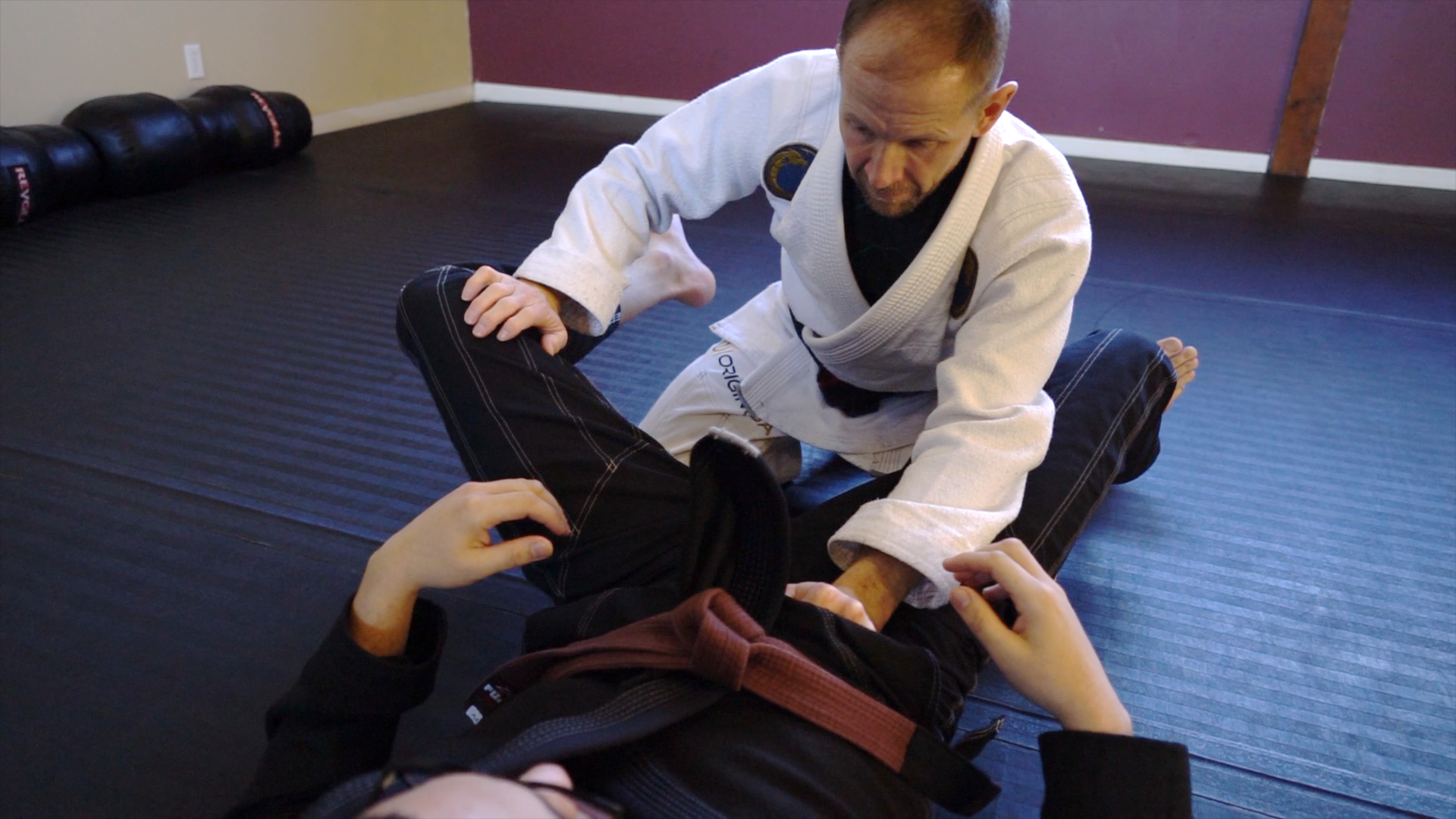
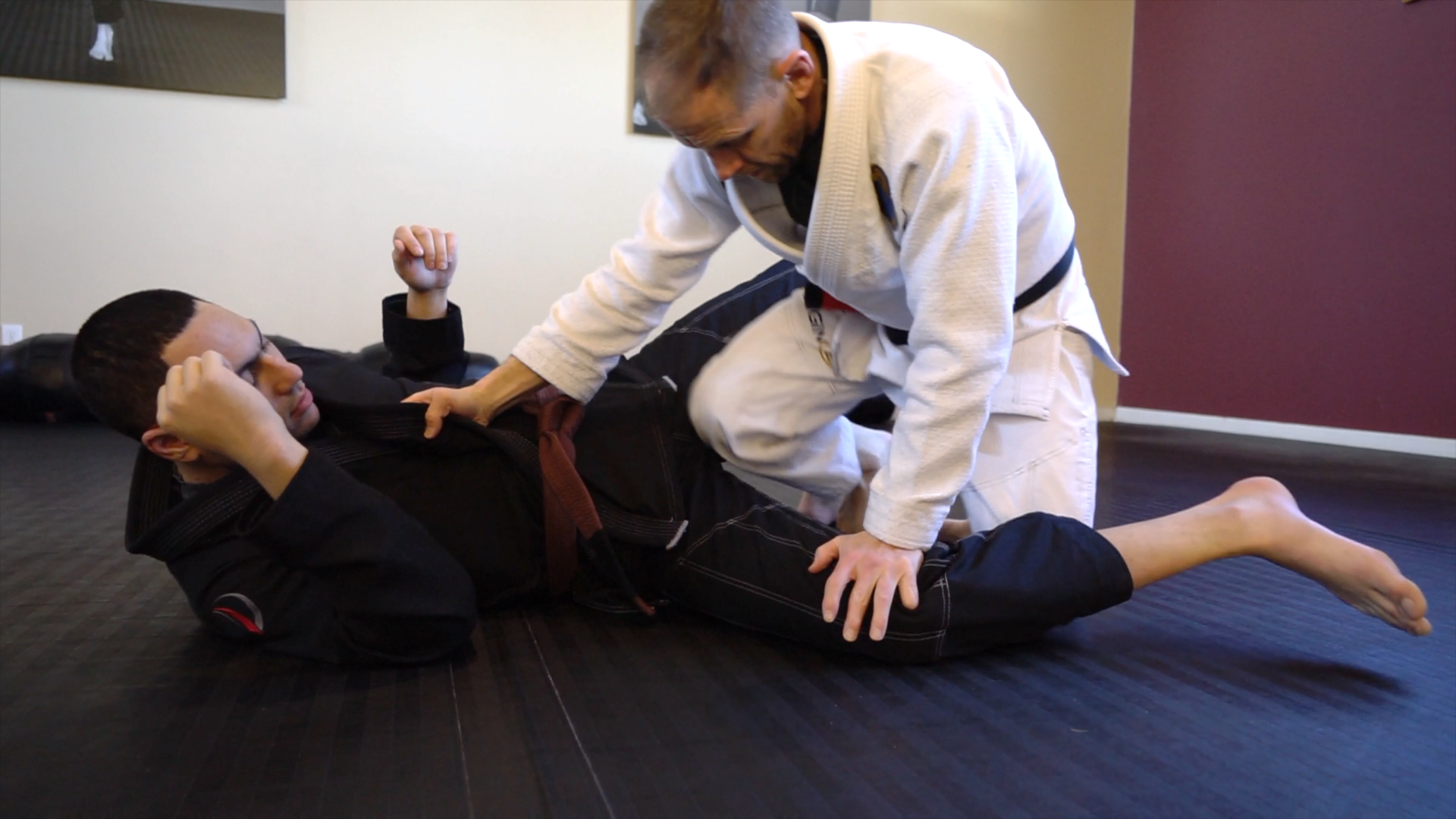
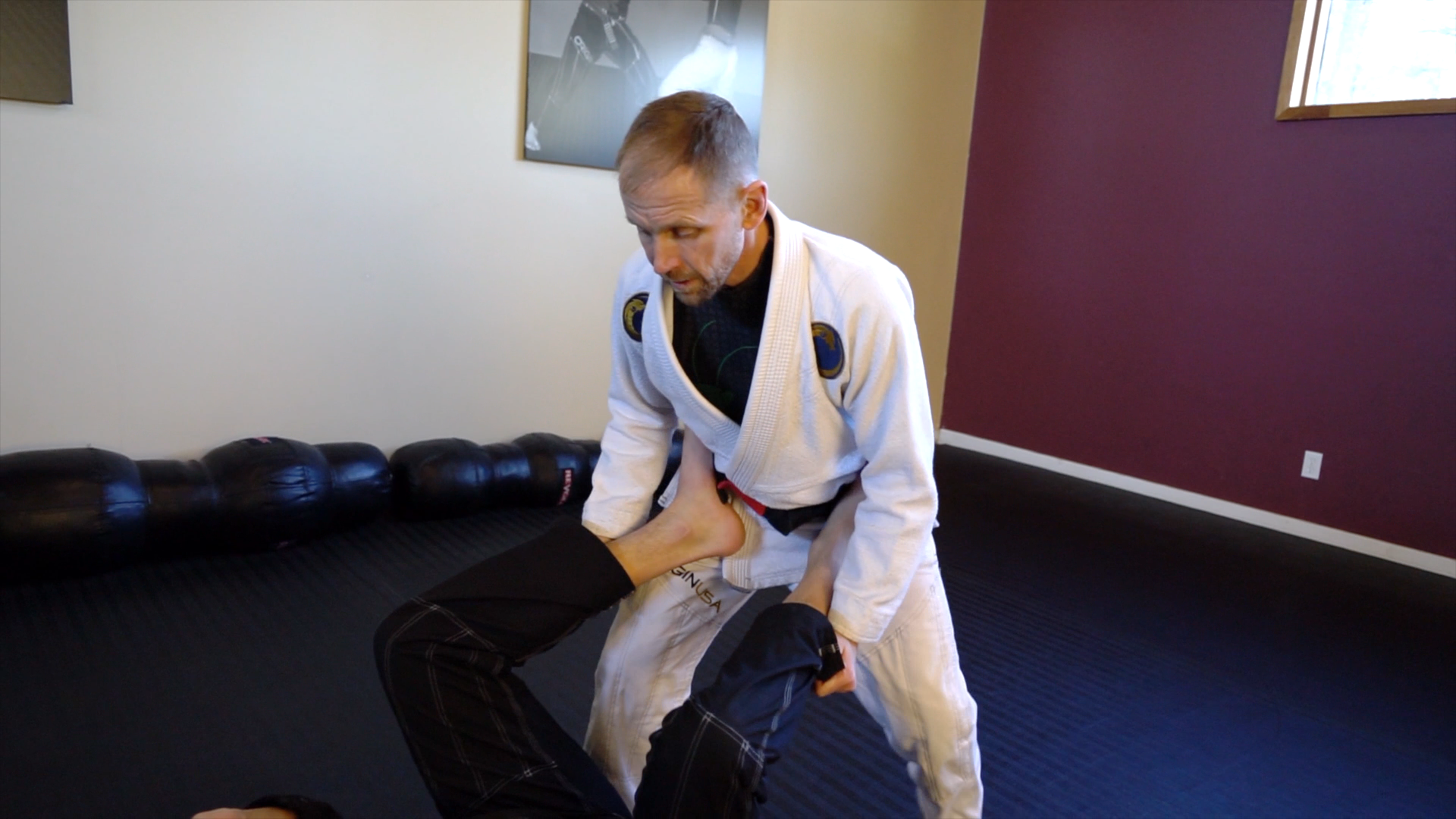
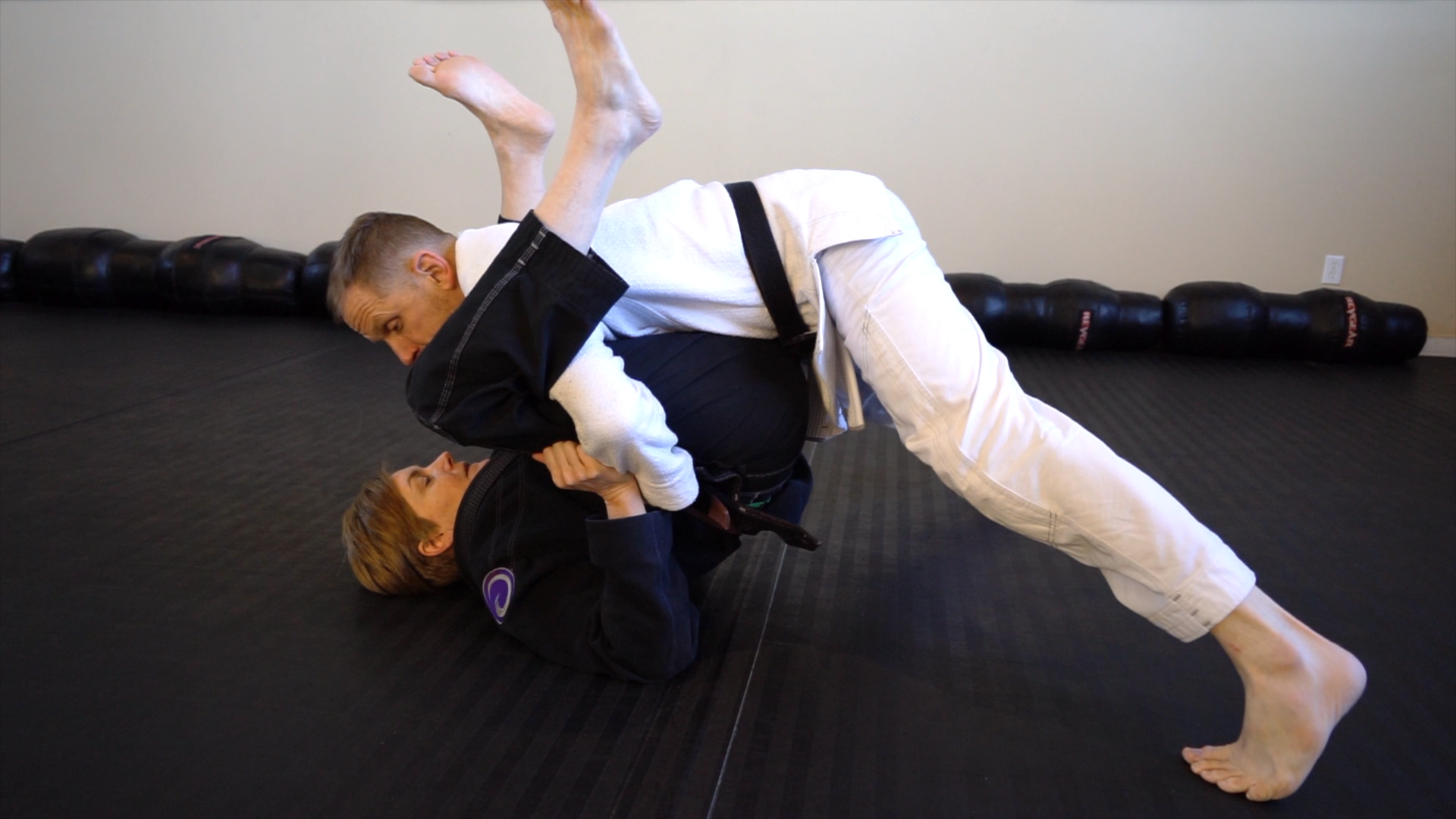
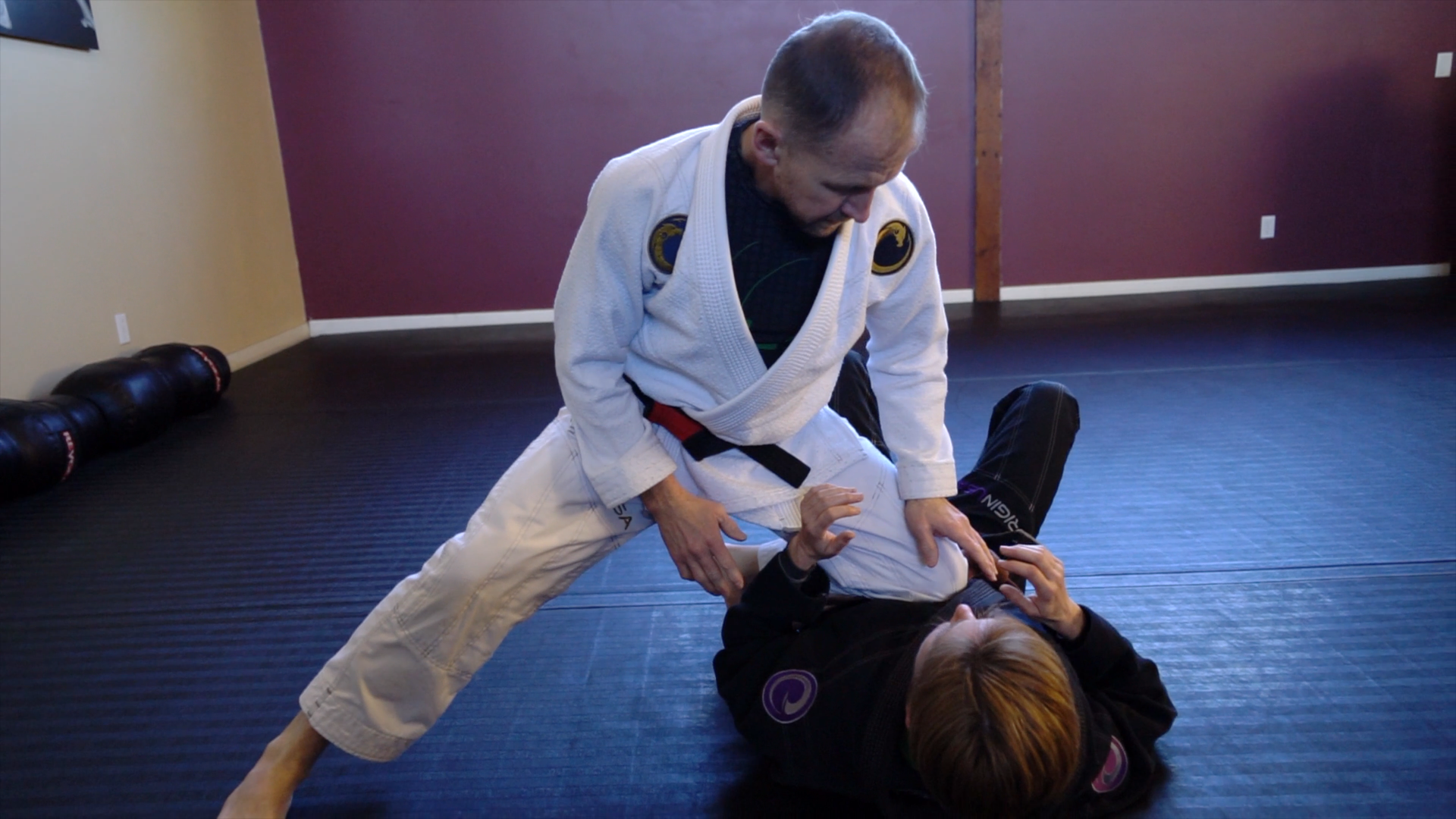
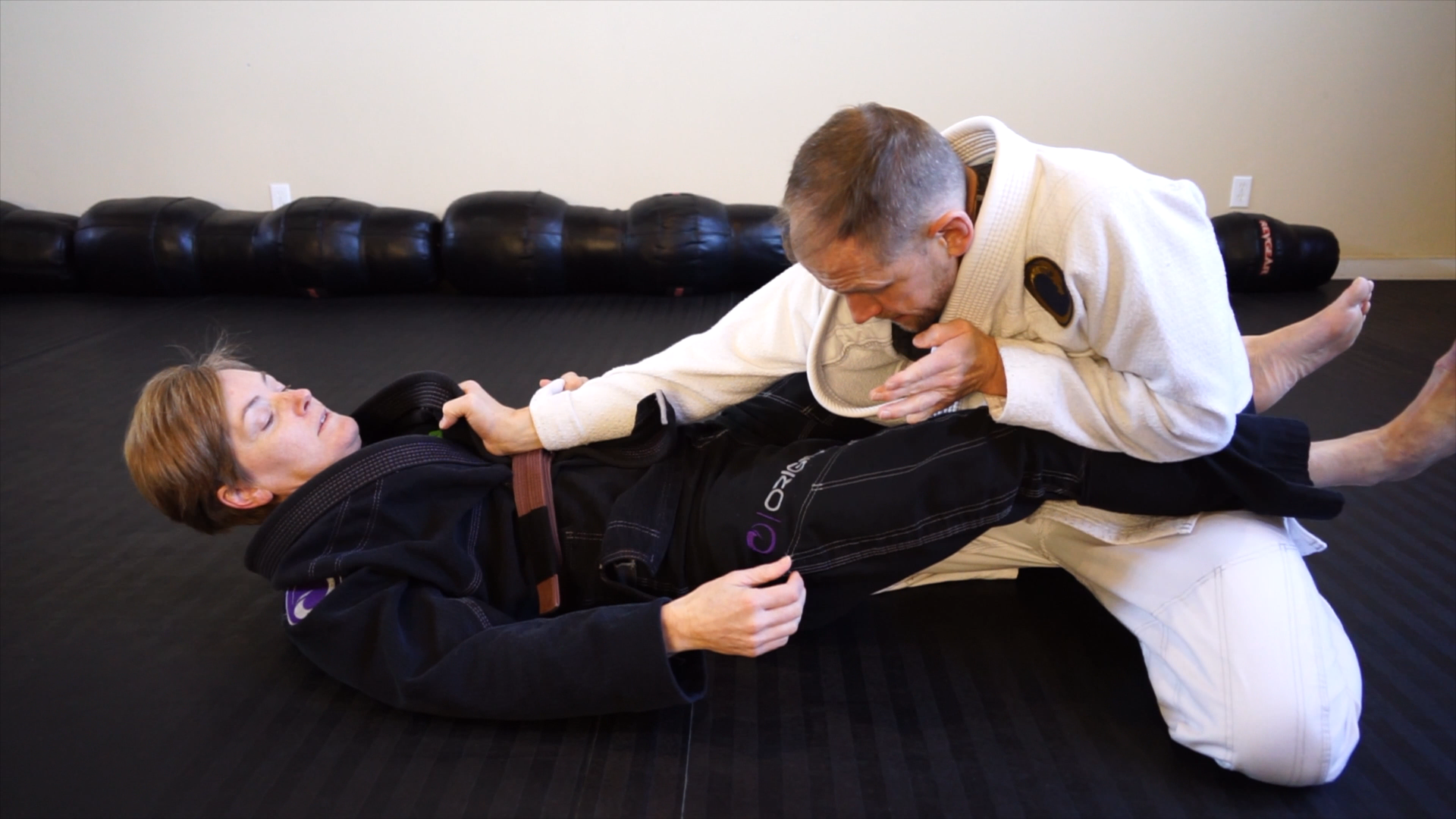
This video includes:
A 32-minute detailed video instruction on how to simplify the break and pass of the guard in 4 easy to follow steps.
Includes managing the guard. Grip-fighting. Gi vs No-Gi. Breaking methods for smaller vs. taller. A variety of standing and ground passes that will stay with you throughout your jiu-jitsu journey.
*course included with Legacy Boxer and Supreme Ultimate Boxer memberships

Countering the Hip Toss
Ever been mistaken for a sack of potatoes? Do you dislike being dislodged from the earth you stand on, turned upside down and dropped on your head or back? Here’s a little tip to counter that nasty hip toss throw your opponent might try out of mistaken identity, or something more nefarious.
Ever been mistaken for a sack of potatoes? Do you dislike being dislodged from the earth you stand on, turned upside down and dropped on your head or back? Here’s a little tip to counter that nasty hip toss throw your opponent might try out of mistaken identity, or something more nefarious.
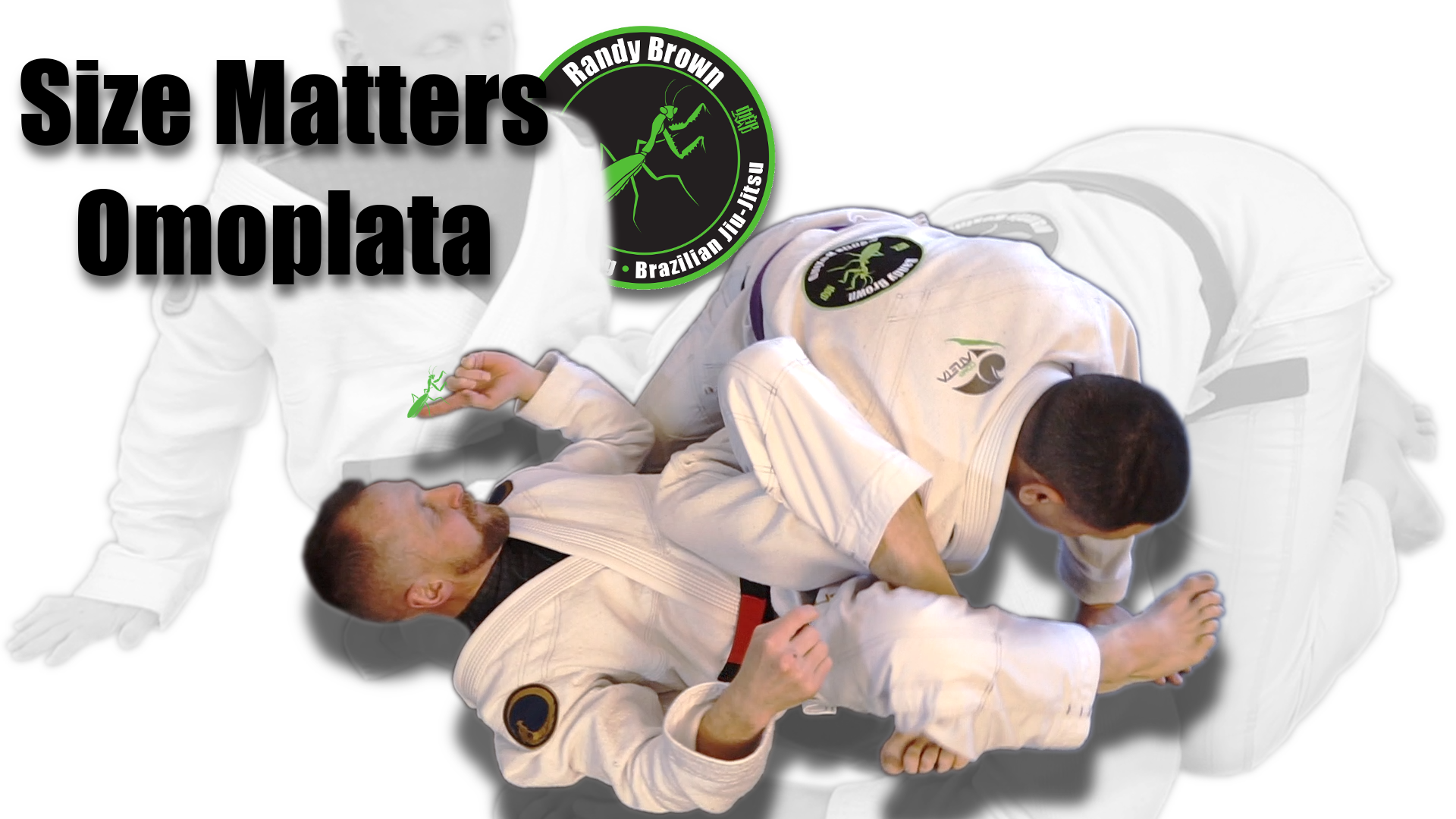
Size Matters in BJJ!!! - The Omaplata Submission
Here are a few tips if you are a smaller grappler trying to submit larger opponents with the omoplata submission from Brazilian jiu-jitsu. This can drastically alter our success rate for finishing, rather than struggling to combat height, strength, and counters.
Here are a few tips if you are a smaller grappler trying to submit larger opponents with the omoplata submission from Brazilian jiu-jitsu. This can drastically alter our success rate for finishing, rather than struggling to combat height, strength, and counters.

"Don't Touch Me" - Why I Hated BJJ
As I’m sure some of you can understand, the idea of having to work closely with someone else, especially on the ground, used to 'skeeve me out'. There is a stark differential between what I was accustomed to - striking, kicking, and takedowns, in contrast to rolling around on the ground with another human being while wearing pajamas, or skin tight clothing. In the world of hindsight is 20/20…
Original article written in 2012 for another blog.

Getting arm-barred in Chin Na training - circa 2000
Let me get this out of the way from the start - I emphatically hate people touching me. I have issues with physical contact, space invaders, faux-hugging, and ‘touchy-feely’ nonsense. After many failed attempts at coping, I simply avoid large crowds, parties, grandmas, and priests. Chalk it up to a plethora of personal experiences early in life, or just laugh at me as you will. Getting my finger lobbed off in a table saw was a more a preferable experience than some weird inebriated schmuck trying to grope me at a party while pretending we’re long lost friends (a good use for martial arts training).
Now that I’ve made it abundantly clear how much I dislike physical contact, perhaps we can relate to one another, since I imagine if you are still reading this you have similar issues with physical contact. This may well be a primary deterrent to you experimenting with Brazilian jiu-jitsu in the first place, or you just really hate Brazilian jiu-jitsu and clicked on this article in the hopes of reading a series of bad things I have to say about it. Spoiler alert: you can bail now and save yourself some time.
False Fears
The idea of having to work closely with someone else, especially on the ground, used to 'skeeve me out'. There is a stark differential between the modalities I was accustomed to - striking, kicking, and takedowns, when contrasted to rolling around on the ground with another sweaty human being while wearing pajamas, or skin tight clothing.
However, in hindsight, I probably would have loved high school wrestling given what I know now, but many foes would have fallen trying to force my fat, chubby, adolescent self into one of those onesie-singlets!
During my time training mantis boxing, and other Chinese boxing styles, I became distinctly aware of a giant deficiency they all shared - the lack of a ground game. What to do when an opponent has you on the ground and you are unable to escape; a feeling I was quite familiar with from childhood fights.
I discussed this reality with one of my coaches at the time, being practical and grounded in real-world experience he agreed with the problem, and suggested that I take up BJJ. His advice was to achieve at least a blue belt level, arguing that the blue belt in BJJ being a significant achievement in and of itself. Showing an individual has gone through the grist mill, and survived to a base level of proficiency of self-defense on the ground.
In his assessment, I would have the experience and know-how to deal with an altercation on the ground; if a fight ever ended up there. Which, anecdotally speaking, they usually do when you’re smaller than your opponents. I was reluctant at first (see aforementioned comments on personal space) but eventually I capitulated and decided to try it out. To say my first attempts did not go well is a mild understatement [insert sarcasm]. Unfortunately, my first couple of experiences went horribly awry. I unknowingly chose the wrong coaches/schools to train with, which produced catastrophic results. You can read more about that here.
Before we address the physicality of BJJ, and the close contact dilemma, or even some of the other soft deterrents to training an art like this, let’s dig into some of the benefits I have found that help drive my reasoning on why this is a good thing to overcome.
Ignorance is Bliss - How BJJ can help Martial Artists/Fighters of other styles
Jump below if you are not currently a martial artist but want to learn more about overcoming the physical contact challenges of BJJ

Holly Cyr smashing it with a winning keylock at Boston Summer Open 2013
‘Traditional’ martial arts styles, as they are colloquially referred to, are mostly comprised of arts originating from east Asia. For our purposes we’ll include — western boxing, kickboxing, tae kwon do, karate, aikido, muay thai, shuai jiao, and more. These styles cover one or more of the following modalities in stand-up fighting - striking, kicking, throwing, and at times joint locks.
How do any of these styles, and wrestling as well, account for a larger, stronger, opponent that wants nothing more than to put us on the ground and pummel us? Each and every one of these styles subsist around weight class rule structures in competition. A sound and well rounded martial artist in my opinion, wants solutions for these challenges. Problems such as: being stuck underneath someone that has 100lbs of body weight on us, someone pinning us and choking us to death with their bare hands, or simply pummeling us with fists while sitting on our torso (mount position).
Not only do we want to survive, but as fighters we want to thrive in these situations. To embrace the suck. I have to be frank here - I have seen a variety of nonsensical comments from traditional martial artists over the years when it comes to this very real threat. A belief in their minds, or rather a fallacy, that the threat of someone controlling us on the ground is not real. That arts such as BJJ are useless. These statements include comments such as -
"I will use my eye gouges, groin strikes, and secret pressure point attacks." - anonymous
No, you likely won't, or not for long. You will be too busy trying to figure out which way is up; panicking to get back to your feet, trying to breath as you gas yourself out (the ground is stressful), and performing silent math calculations on how much your opponent really weighs while they crush the soul out of your body with unrelenting pressure.
Another comment I see -
"I won't let them get me on the ground." - anonymous
If the sole purpose of their combat modality is designed to get you on the ground, then you will be on the ground. No doubt about it. Especially if they have been training for years to accomplish said goals. I’ve seen people with a season or two of high school wrestling make short work of people with no grappling game, or defense system against such attacks.
“But I train takedown defense.”
We live in the northeast USA, where snow and ice are prevalent for a large portion of the year. Ending up on the ground is a common mishap for us ‘without’ someone violently assisting us in the process. Bottom line - as a traditional martial artist, or someone with no experience in fighting, we benefit by recognizing the holes in our systems and learning to close these weaknesses. We gain nothing but ignorance, darkness, and oxygen deprivation by hiding our head in the sand.
“Adapt and Overcome”
“Adapt and overcome.” — a common phrase we heard consistently in US ARMY boot camp. As experienced martial artists, adding Brazilian jiu-jitsu, or even wrestling to our game will only improve, not detract, from our primary art. Depending on the style we practice, we may come from arts afflicted by ‘transmission loss’.
Meaning some, or all of the techniques have been lost through the annals of time. We’re left today with empty shells of once proud martial art styles, practicing forms/taolu/kata, and applying best guesses as to the original method(s) of execution. Putting these arts back together can be difficult to downright impossible. I’ve spent the better part of my martial arts journey doing just that with mantis boxing, and taijiquan. I will say, finding crossover principles and techniques in other arts such as BJJ helped link things together in my brain, and improved my primary style of choice.
Brazilian jiu-jitsu has definitively helped me discover more about Chinese boxing and wrestling styles. From takedowns, to defense, to even just kinesthetically putting pieces together to flow and change gears. It has taken my knowledge, my game to a whole new level. This is especially relevant to an art such as mantis boxing, one of many Chinese boxing styles that is rooted in stand-up grappling, and riddled with principles that crossover to BJJ.
Perhaps you are fortunate and train with a school/coach team that has all the applications of your style already intact. Handed down to you in clear drills, and efficient training that turns you into a competent fighter. However, if that art still lacks a ground solution, as my art did, then this is the perfect reason to undertake BJJ, wrestling, or catch wrestling to shore up those weaknesses. You can read more about how BJJ helped me unlock hidden secrets inside Chinese boxing in this essay:
Donut, or Do Not? The fitness benefits of BJJ.
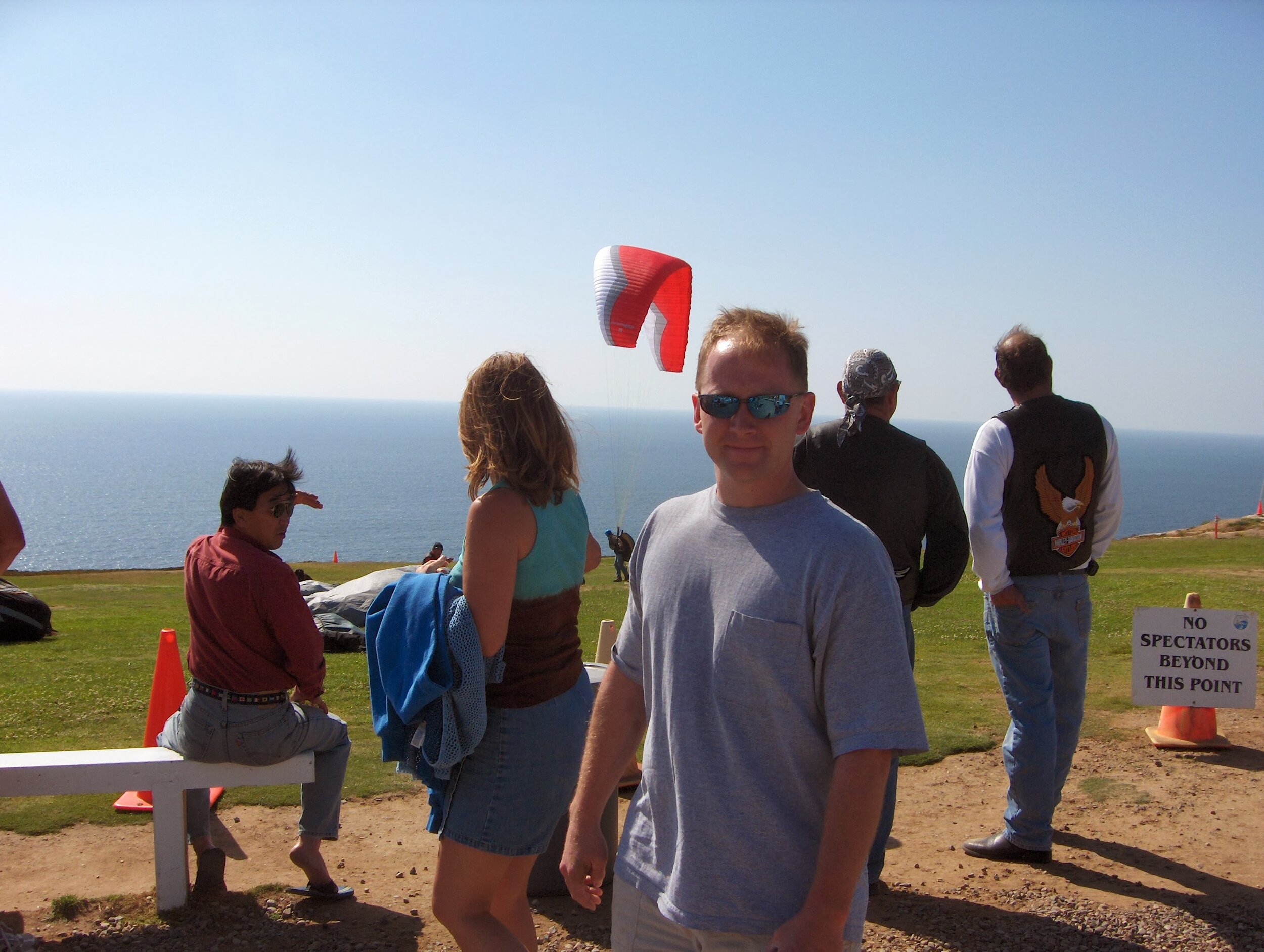
Donut eating me on a trip to train with a new mantis boxing coach - California, 2006
Traditional martial arts teachers across America are known for being out of shape. I have seen it at countless tournaments since the early days of competing. Often embarrassing physical forms of self-titled ‘masters’ of their art, who have clearly not mastered their bodies. Ironic given that we are supposed to be ‘lethal weapons’.
Self-Defense Anecdote: we start classes with proper warm-ups. This can start with — laps around the gym, three minutes of jumping jacks, or jump rope. At times people complain, or whine. My question is always the same: ‘If we can’t manage three minutes of cardio, how are we to last in a full on fight versus one or more opponents, while our heart is racing faster than a greyhound, and our adrenaline is screaming like an eagle through our blood stream?’
A few years after I began training, I myself was overweight. Also while owning and running my school. I had a series of crises in my life that caused my self-discipline to spiral out of control. I ballooned out, and I knew deep down that I was setting a bad example to my students on how I personally believe — a martial artist should live our lives.
Another saying from the military - “fit to fight”. The truth of this simple phrase is so base and fundamental. I’ve fought, sparred, won, and lost to some very good fighters over the years who were better than me, but were grossly out of shape. After 30 to 90 seconds of maneuvering, or light tangling, they were huffing and puffing; buckled over and gassed out beyond function. The amazing skills and techniques they had, rendered useless by a lack of stamina, or basic conditioning. If we’re out of shape, we’re ineffective, or less effective.
How can we stand with our heads high, selling, or marketing fitness, exercise, discipline, along with our self-defense, when we are stuffing donuts down our throat, or puffing cigarettes out behind our dojo? If we are out of shape ourselves, then we are nothing more than an exemplary display of hypocricy. “Do as I say, not as I do.”
How can BJJ change this?
Brazilian jiu-jitsu is an incredible workout. It engages the full body in motion. Exercising almost every muscle in our physical anatomy, including our brain. It takes serious conditioning to roll with another person for an entire class or for a 5 to 10 minute bout at a competition. To get up and down constantly, and often under load.
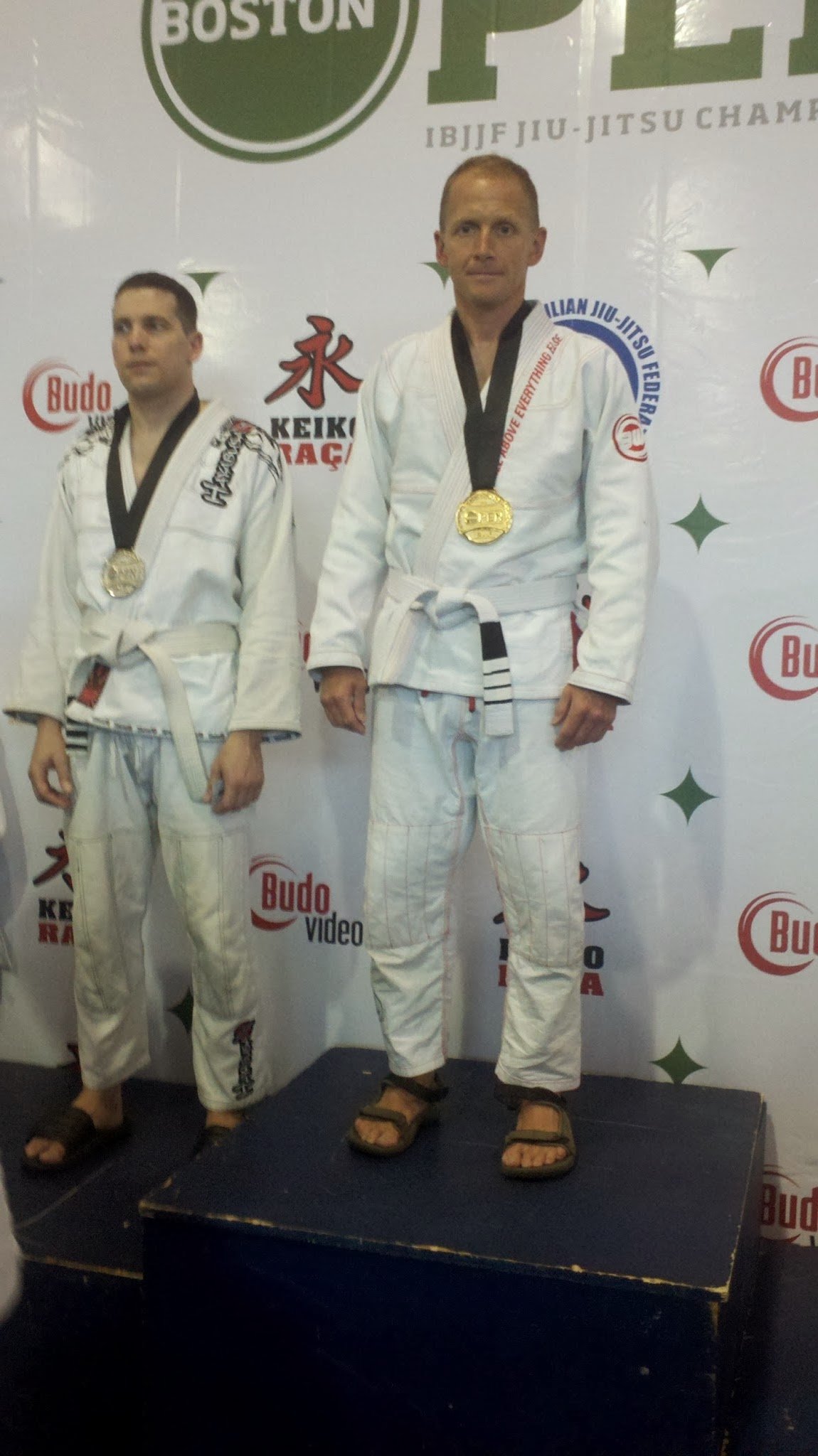
In my first BJJ tournament match, I stepped into the arena with many boxing/kickboxing amateur bouts under my belt, I was no stranger to the exhaustion and fatigue that takes place shortly after an altercation ensues. Additionally, much of our training, and sparring in the gym is inoculation to the stress of what we are going to face for real. With over twelve years of training/fighting, and being in the best shape of my life at the time, I had absolutely no idea what I was going to encounter in my first BJJ match.
Grappling was a completely different animal. The intensity is magnified ten-fold from any san da, boxing or kickboxing match I had ever competed in. The proximity stress, the gripping, tugging, and pushing, all while we’re still on our feet at the beginning of a match, rapidly drains our reserves. By the time we land on the ground, we’re seconds away from being face to face with the ‘adrenaline dump’ (all energy fades from our body).
When the ‘dump’ hits, there is nothing left in the tank; we’re completely gassed. We’re left only with our willingness to give up; or survive. This…is why an IBJJF (International Brazilian Jiu-Jitsu Federation) tournament has more 6 packs than you'll find at a redneck BBQ. It is an incredible test of mettle — physical, mental, spiritual.
During this first fight was the one and only time I looked at the clock in a competition. There was only a minute-thirty on the clock out of a five minute round. I had done hundreds of these rounds (and longer) in the gym, and yet…this felt like Father Time himself was crushing me into dust. I was completely demoralized as I lay under my opponent with a full strength closed guard, a firefighter, who I found out post-match had cut weight from 175lbs (79kg) to 150lbs (68kg) to compete that day.
A voice in my head was screaming for this to be over. That it didn’t matter who tapped, but this needed to end, and end fast. Then the other voice chimed in, calmly, with no emotion, calling the first voice a ‘wussy’. Followed by — “Get it done.” I fought on with everything I had, pushing through the fatigue, the time-demoralization, the doubt.
Fitness Conclusion
What better way to exercise than to have fun? To learn while getting into, or staying in shape? Enjoyment and mental engagement are a necessary function to stay committed to any type of physical activity we choose, BJJ can help us shred fat, build cardio, strength, and keep or return, that weaponized body that some of us once aspired to through joining martial arts in the first place. Of course the nutrition aspect has to go alongside any fitness endeavor, but the mat time we put in incentivizes us to eat better so we don’t gas out in competition or simply training.
The ‘BEST’ Pie is ‘Humble’ Pie.
Soft power wins the gold. Community makes the art.
The saying is - "the mats don't lie." When we walk out on the mats in BJJ, we can't say that we are something we are not. At least we can’t get away with it for long, if we do. When we roll with another grappler the truth becomes abundantly clear who is the higher hand. Hence the above saying.
Having been a part of the ‘traditional martial arts world’ through the rise of the internet, from BBS's, to forums, to facebook, etc., I have seen more petty arguments and nonsensical statements thrown back and forth. Things like -
"My style is the greatest.", "I'm better than you.", "I know more forms than you." “I’ve trained longer than you.”, "My lineage is pure, look who you studied with.", “I trained in {insert country of origin].”, "My teacher is better than your teacher.”, “My grandmother was better than your teacher."

It’s ‘ok’ to get a little mud on our face. Just smile and move on. Chris Meusel — Spartan Race 2012.
This behavior, while downright embarrassing and pathetic, is In direct opposition to the virtues we often seek in martial arts — strength, discipline, confidence, empowerment.
In contrast, I have met some of the nicest people in BJJ. While there are jerks (I met a few in the first couple attempts at starting out), they usually get weeded out early, unless the gym is toxic. The majority of people by and large, are — polite, grounded, and pretty darn cool. All seeking to better ourselves through adversity.
Why the difference? Simple really. In BJJ we have to put our money where our mouth is. We can make claims to ourselves or others about our prowess, our amazing skills, but the truth comes out on the mats.
Each roll, a mirror reflects back on us our own strengths, and weaknesses; whether we’re ready to receive them or not. This is a humbling experience and not for the faint of heart. It requires complete honesty with the most important person listening to us - ourselves.
"In my experience, the more dangerous two people are, the more respectful they are to one another." - Andre ‘Dedeco’ Almeida, BJJ Black Belt.
BJJ, along with any other contact based martial arts, keeps us humble. Aware that we are all just human, flawed at times, amazing at others, even when coaching and helping others. We know in our hearts, and minds — there are always bigger and better fish in the ocean. We all have progress to make in bettering ourselves inside and out. Even if we are the king, or queen, of our own little sandbox, getting tapped out gives us firsthand knowledge and experience in one of the most important martial arts principles to aspire to - humility.
Embrace the Suck
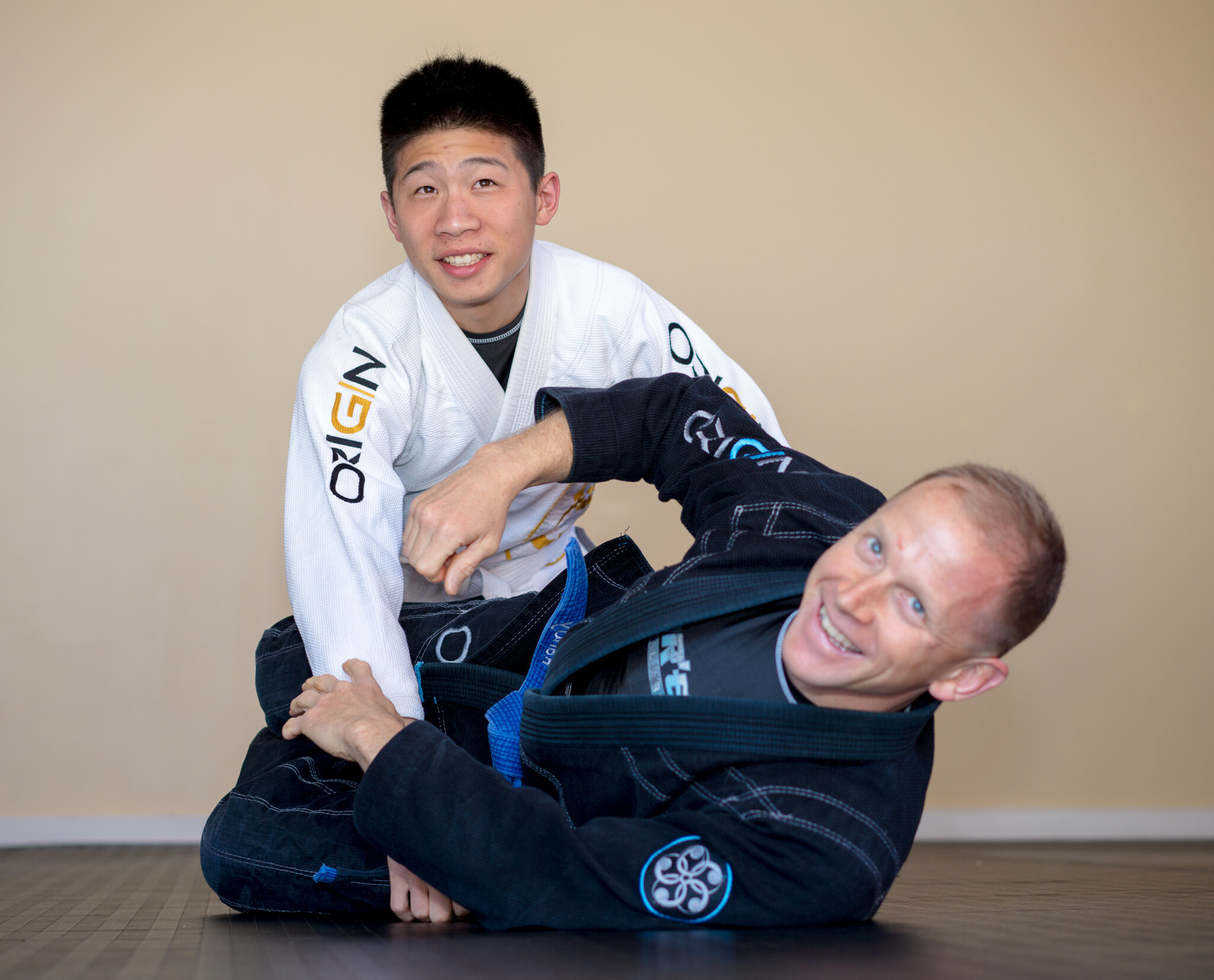
Rolling with Vincent Tseng - 2012. Photo by Max Kotchouro.
All of the above makes the close physical contact worth it. It gives us reason(s) ‘why’ we should we look past our issues with touch, contact, space. But what I can tell you firsthand, having worked through these issues myself, is quite honestly, the contact/space is not that big of a deal after a week or so of training.
Our brain quickly adapts and shuts off the reluctance to these things after we ‘embrace the suck’. Providing our partners are clean and hygenic that is.
We discover that rolling and grappling with someone, the ‘process’ of working with another to better ourselves supersedes the proximity challenge. It is quite different when someone is trying to choke, not grope us.
I highly recommend putting aside your reservations. I believe you will discover, as I did, that praciticing BJJ is just downright fun. One of the greatest challenges you can find, mentally engaging, core-building, and packed with years of intrigue. There are not many sports that encompass all of the elements that BJJ grapples with.
A plethora of the techniques you will learn (sweeps, submissions, escapes, takedowns) are awe-inspiring and a thrill to learn. Empowering. Easily mistaken for magic when we first see them performed by a seasoned grappler, and rewarding beyond measure when we succeed at executing them ourselves; after much trial and tribulation.
STILL RELUCTANT? HERE ARE A FEW TIPS
If you are still struggling with the idea,
Meet different coaches. If you find one you like, do one-on-one training with them. In this environment it should be acceptable to bring up your reservations and have a coach meet you where you are at.
Learn from a friend or family member who trains. Preferrably if they have a couple years of experience. Ask them to show you some moves but avoid grappling until you have a bit of experience. This avoids the competitiveness that can happen between friends.
Join with one or more friends. You can join a team class together, or do a squad style training (semi-private). This gives you the benefit of private lessons while sharing the higher cost of this approach.
If you have overcome this challenge, feel free to leave tips and your experience in the comment section for others to benefit from.
COACHES: RE-KINDLE THE FLAME
As a student, and a coach, I know firsthand that we have to keep the training and the process ‘fun’ in order to stay energized. If you are already a martial arts teacher of another discipline, training BJJ gives us a newfound sense of excitement. The same joy we had when we were a novice student in our original martial art style; when everything was new and enchanting. Reigniting a dwindling flame in our art.
Teaching others is rewarding and fun, but if we are not continuing to learn and grow we can become stagnant, bored, disenchanted, and even bitter. These are a few reasons I highly recommend trying out BJJ for martial artists from other modalities. Try adding it to your game and see for yourself. Box up the ego, don the ‘white belt’ and take the plunge into a fascinating world of new friends, sweet techniques, and all the humble pie you can eat.

Size Matters in BJJ!!! - Part 3 - Breaking Closed Guard
Here's one of my favorite closed guard breaks, and why it is horrible for taller vs. smaller. If you do use this BJJ escape, here is the answer to 'why isn't my closed guard break working?' Enjoy this next installments in our Size Matters series. This is a must see if you are trying to break a smaller grapplers closed guard.
Here's one of my favorite closed guard breaks, and why it is horrible for taller vs. smaller. If you do use this BJJ escape, here is the answer to 'why isn't my closed guard break working?' Enjoy this next installments in our Size Matters series. This is a must see if you are trying to break a smaller grapplers closed guard.

Why I Should Have Quit BJJ When I Started
What I am about to share with you, is my early journey into Brazilian jiu-jitsu. My first attempts were not exactly a ringing endorsement of the art. What happened to me? What can you learn from my experience? Why did I keep trying after all of this?
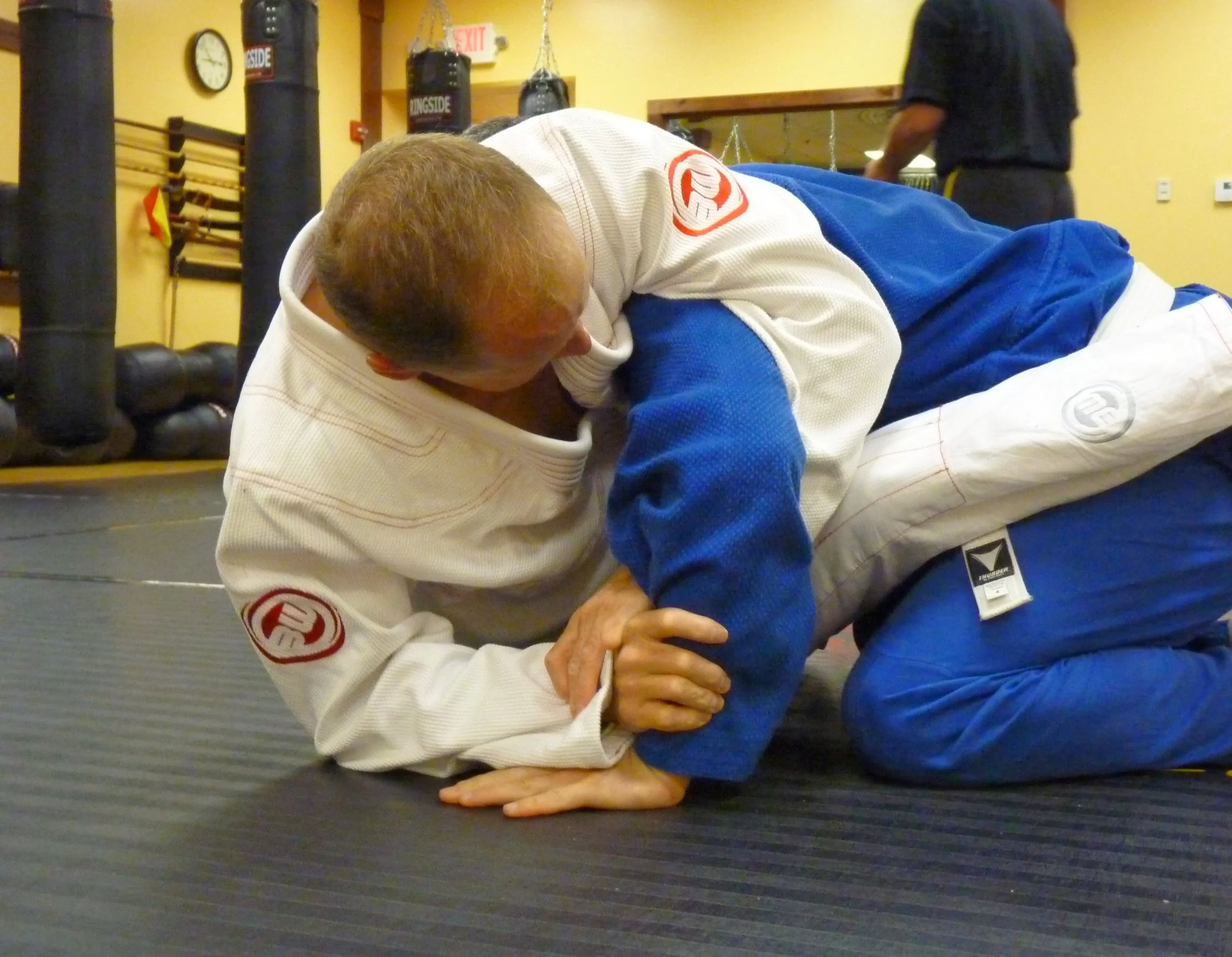
Teaching the Americana shoulder lock from guard — 2011.
What I am about to share with you not exactly a ringing endorsement of the art of Brazilian jiu-jitsu. It is a tale of my early journey into BJJ. If nothing else, it provides a cautionary tale of how important it is to find a good coach/gym to train with. If you cannot, find a different hobby or travel as far as you need to in order to secure good instruction that will keep you training for years to come.
A majority of my injuries in martial arts in the past 20+ years, and all of the most severe ones, have been from Brazilian jiu-jitsu. And yet, I would still recommend the art to anyone — under the right circumstances.
The Beginning
As I started to find truth in mantis boxing after years of training, the UFC was growing more popular than ever. The reality and efficacy of ground fighting and it’s necessity began to seep into my periphery. I would pontificate questions such as -
‘What would I do if someone took me to the ground in a fight?’
‘Would any of my skills, after years of martial arts training, help me?’
After all, someone that is even just incrementally larger than us, has an inherent advantage due to gravity, and the laws of physics. Couple this with a season or two of wrestling in high school/college, or a football tackler, and we have serious deficiencies in our combat capabilities; no matter how good our stand-up fighting is.
When involved in an altercation, once we’re on the ground, which could be from a slip, trip, or fall of our own accord, or after an opponent grabs us for dear life as we throw them to the ground - taking us with them - the game is quickly over if they land on top of us.
I am not the largest guy on the planet, even when I was 70 lbs heavier than I am now. Having the knowledge and technical ability to deal with an opponent in a ground situation was to me, becoming more and more evident, for obvious reasons.
Brazilian jiu-jitsu provides solutions to the problems we face in ground combat, better than any other martial art. Using timing, technique, and those same aforementioned pesky laws of physics, we can turn the laws to our advantage, overcoming larger, stronger, and heavier opponents, if we ever end up on the ground in a self-defense situation.
So, as we said in the Army - I ‘sucked it up and drove on’. Putting my ‘human contact’ issues aside, I undertook a search for a BJJ school to train in. And there the problems began…
ROUND 1

Holly and Joe training the armbar from guard - 2011.
One of my early coaches in the martial arts had some training in BJJ. How much, I never found out, and for good reason.
The two of us were discussing my interests in learning a bit of ground fighting over the phone. He offered a trade — If I would share one of the historical mantis boxing sets I learned while studying with another coach, he would train me in some Brazilian jiu-jitsu.
My first lesson included a few rudimentary tips on what not to do on the ground while in the mount position, followed up with my first introduction to a rear naked choke. We spent and hour or so on the mantis boxing tao lu he wanted, and all seemed fine. We then transitioned to BJJ and started with a mount escape and a guard escape. Everything was extremely rough and had too much strength behind it. I know now that this is a sign of an amateur.
Our next and final phase of the lesson, was introduced by him telling me to stand facing the front of the gym with him behind me. I stood there in a compliant stance excitedly awaiting my lesson in one of the most powerful tools in BJJ - Mata Leon, aka The Lion Killer.
Suddenly, I felt a sharp pain in my throat as the man I just entrusted my life to, slammed his forearm into my trachea fast and hard; crushing my larynx. He then proceeded to apply the choke until I tapped (which was rather quick). It took 6 weeks for my esophagus to pop back out, and size months before I could properly swallow again. Thus ended my my first (and last) lesson with him.
ROUND 2
For my next attempt,
I contacted an instructor a few towns away from my gym. One of the closer places offering BJJ. We discussed my background in Mantis Boxing, and I made it clear I knew nothing about ground fighting. Full disclosure. I explained that I was ‘starting over’ in this art, and I would like to put on a white belt and be treated like any other beginner. Nothing to prove and starting from the ground up (no pun intended).
The first class went relatively well. I had a few minor issues, but nothing to stop me from going back for another class. I was committed to doing this after all. Itching to learn. I returned two days later for my second class where I began to recognize some flaws. One such was the partner I had seemed relatively new and could not perform most of the moves. After casually asking how long he had been training in between one of the moves, he replied, “Four years.”
We continued drilling a variety of moves, shared rapidly and in broken English. It seemed like a shotgun blast of material and I wondered to myself how we were supposed to remember all of it. The coach then started the rounds of rolling (BJJ sparring). He had made it clear on my first lesson that I would not be rolling right away, and yet today he turns to me and says — “You will roll with us too.” Not one to shy away from such endeavors, I jumped in thinking things would be fine.
I went from person to person, 5 minute round to 5 minute round, with each person trying to wipe the floor with me. I made it clear this is not what I was there for at the start, and here I was getting attacked full on by everyone in the gym. I wasn’t having it, and I fought back to protect myself and my reputation. Not a single one of them tapped me out, but as you will see shortly — this was not a win.
The coach, seeing that his students of all ranks were having a problem with me, calls me over to roll with him for the final round. This was after 6 rounds. We start rolling and he was better than the others, but he was not tapping me out. This went on and on, and eventually the entire gym stopped their own rolling and came over, formed a circle around us, and began to watch the festivities.
After about roughly 10 minutes of rolling, he was getting no where. Not being my first rodeo I began doing the calculus in my head: one of three things were going to happen — 1) he was going to get frustrated, go faster and harder, and ultimately break something on me to prove himself, or 2) be humiliated in front of his team, and who knows what would happen from there. I was severely outnumbered, or 3) I could give him a freebie and let him save face in front of his team, thereby giving him the win, and getting out of there in one piece. I chose option 3.
I left with a ripped ear, tweaked elbow, broken toe, and my knee out of whack. I never went back. Which turned out to be a blessing in disguise, as said coach went to jail a few years later for sexually assaulting a 14 year old female student.
ROUND 3
Trying to be a smarter monkey, my next experience was born by referral from a coach I knew down south. I came across this MMA/BJJ coach teaching at an associates school halfway across the country. While visiting for a weekend of seminars, I rolled with this skilled grappler for a couple hours. He shut down everything I had, tapped me out several times, but in a controlled way. He obviously knew his craft. He was on staff at this gym and came recommended to me by the owner, who I had known for years and had been training BJJ with a well known coach for about 10 years.
I enjoyed the session and wanted to learn more. This coach was also approachable, and seemed vested in teaching me how to succeed. Like myself, he was also ex-military. We understood one another on a training and practicality level, and shared that bond of brotherhood formed only as soldiers.
At first it seemed a good fit and he was willing to answer questions over the phone. Soon thereafter I flew him across the country to do a weekend of seminars at my gym. The plan being to also get some one on one training in on the side. The seminars went well, and we had some good rolling/training afterwards, until his PTSD kicked in.
He tore my shoulder out. Not once. Not twice. Three times in one hour. With two extreme americana shoulder locks, and a kimura shoulder lock. I barely escaped this encounter without a total shoulder replacement surgery. This day cost me in total tens of thousands of dollars in medical repairs/treatments. A year plus of rehab entailing hundreds of hours of physical therapy and recovery.
Needless to say, I left him behind, and continued searching for another year. I’m sure, if you are still reading this, you are wondering why the hell I would continue on? Good question!!!
ROUND 4
The Gracie family, considered by some to be the founders of the art in it’s more modern form, had a school in Los Angeles. They were running an instructor certification and training program that sounded enticing. I watched some interviews with them and they appeared upstanding individuals with an earnest and sincere approach to teaching BJJ, without breaking everyone that came through the door.
I began looking seriously at their Instructor Training Program. The downside was it was going to cost thousands of dollars, and a great deal of travel.
Additionally, thousands upon thousands of dollars (about $14,000 dollars by my calculations) to get this program underway in my academy - due to affiliation fees, rules, branding, and contractual agreements I will not bore you with here.
Instead, I pulled one of my instructors aside in the school. She was also interested in learning ground self-defense. I purchased some instructional videos and Holly and I started training BJJ basics a few times per week. This continued moving the ball forward, slowly.
With all the challenges I faced in the world of Chinese boxing, I was no stranger to having to teach myself. I was beginning to think this was once again going to be a reality I would have to accept.
ROUND 5

1st class with Dedeco - 8/2011
My contacts across the country came through once more (this time positively). He hooked me up with someone who would go on to become my final BJJ instructor/coach —Brazilian Jiu-Jitsu Black Belt under Ricardo Liborio and Ricardo De La Riva — Andre ‘Dedeco’ Almeida.
Dedeco was located south of Boston in Rockland, Massachusetts, a little less than 2 hours drive from me. He came highly recommended, and at the time, his Best Way Jiu-Jitsu was being used to train top UFC fighters. For obvious reasons, I was a bit more gun shy about diving into another bad experience, so I asked Dedeco to meet for coffee first to discuss his approach to training. We met at his favorite coffee shop (Starbucks), and broke the ice, or beans.
Dedeco, as he prefers to be called, was super nice. He seemed like an upstanding person. After listening to my experiences with BJJ thus far, he was appalled. It insulted him that his livelihood and passion since he was 12 years old, was being misrepresented and abused in this way. “This is not way beginners are to be introduced to the art”, and art he had been studying since he was a child in Brazil.
Something he said stuck with me after that first conversation -
“Randy, I am not going to have you ‘roll’ (what we call sparring in BJJ), until I teach you how to roll.”
Well didn’t that make a boat load of sense!!! A principle I followed in my own teachings when starting someone out with striking and kicking in mantis boxing. I wondered what short straw in life I drew to go through all this nonsense in order to find a decent coach?
I started private training with Dedeco shortly thereafter (Aug 2011). Dedeco introduced me to the amazing art of Brazilian Jiu-Jitsu, and the myriad benefits it has to offer. After a couple months we started rolling, with him being extremely patient and allowing me to fail repeatedly, while he maintained composure, and guided me through what to do, and not to do.
Initially I had asked Dedeco if I could/should compete? He calmly replied, “You should really wait a while and get more experience first. White belts can be up to 4 years on average before blue belt, so you could jump in the ring with someone who has been training a long time, but still wears a white belt.”
Soon thereafter he invited me to attend the weekly Team Training on Fridays, where grapplers from all over New England would come down for a 90 minute session of 5 minute rounds with 1 minute rest. I joined in and met a bunch of great people. Most of them were really cool (while still going to school on you), and rarely did I cross hands with an undesirable.
Summer 2012 I registered for the International Brazilian Jiu-Jitsu Summer Open in Boston, MA. Entering my first BJJ competition.
Winning Gold at the IBJJF Summer Open 2012

BLUE…ENOUGH
My plan when I started was to simply get to a blue belt level. This was at the time, a significant bench mark for this martial art (it still is depending on the school/coach). Fighters would brazenly step into the cage in UFC fights like a proud peacock donning their blue belt. Unlike other styles of martial arts, that give out black belts like candy, the first belt you get in BJJ (a blue belt), is a monumental achievement in and of itself.
As I trained more and more with Dedeco, and began meeting his other students, and his friends who owned BJJ schools, and their students, I began to witness an amazing family of people that were pushing one another to get better and better, but without injuring one another all of the time.
Left to right - Ricardo Liborio, Randy Brown, Andre ‘Dedeco’ Almeida.
And juxtaposed vs the Traditional Martial Arts World’ I was accustomed too, instead of the stuffy, overly dogmatic experiences I witnessed in other styles of martial arts, what I experienced instead was a relaxed and friendly environment that fostered creativity, freedom of expression, and ingenuity. Embracing the personal expression of an individual’s artform, that we devote years of our lives to.
I later met Dedeco’s teachers (Ricardo Liborio, and Ricardo De La Riva), and witnessed firsthand, the sincerity and kindness in these men. REAL men, who were extremely accomplished fighters, and champions, yet expressed no ego, bravado, or malice. Just humility, and genuine care for the growth of others, and their art.
This was such a powerful experience. It changed my life, and my entire school/approach to martial arts. I mirrored these training approaches in my own mantis boxing program, and my team overall. It had a profound affect, improving my own skills, my team, and above all else, my abilities as a teacher to help others with their art.
The skills inside Brazilain jiu-jitsu are some of the most powerful tools you can ever have in your arsenal. If you train the art with due diligence, it will reward you in spades. After training for a time, if someone is dumb enough to take you to the ground with ill intent - that attacker just stepped into the deep blue waters of the darkest ocean, and you are the shark!

2018 - One of the best moments in my BJJ journey. Receiving my black belt from Dedeco after 7 years of hard work.
That...is why this style is now part and parcel with my mantis boxing inside the halls of my academy, and within my heart.
If you are inspired to learn and embody all that BJJ has to offer, my advice is to take your time and find a coach, and team that are right for you. Do not settle! It is your money, and more importantly your time, and even MORE importantly - your body.
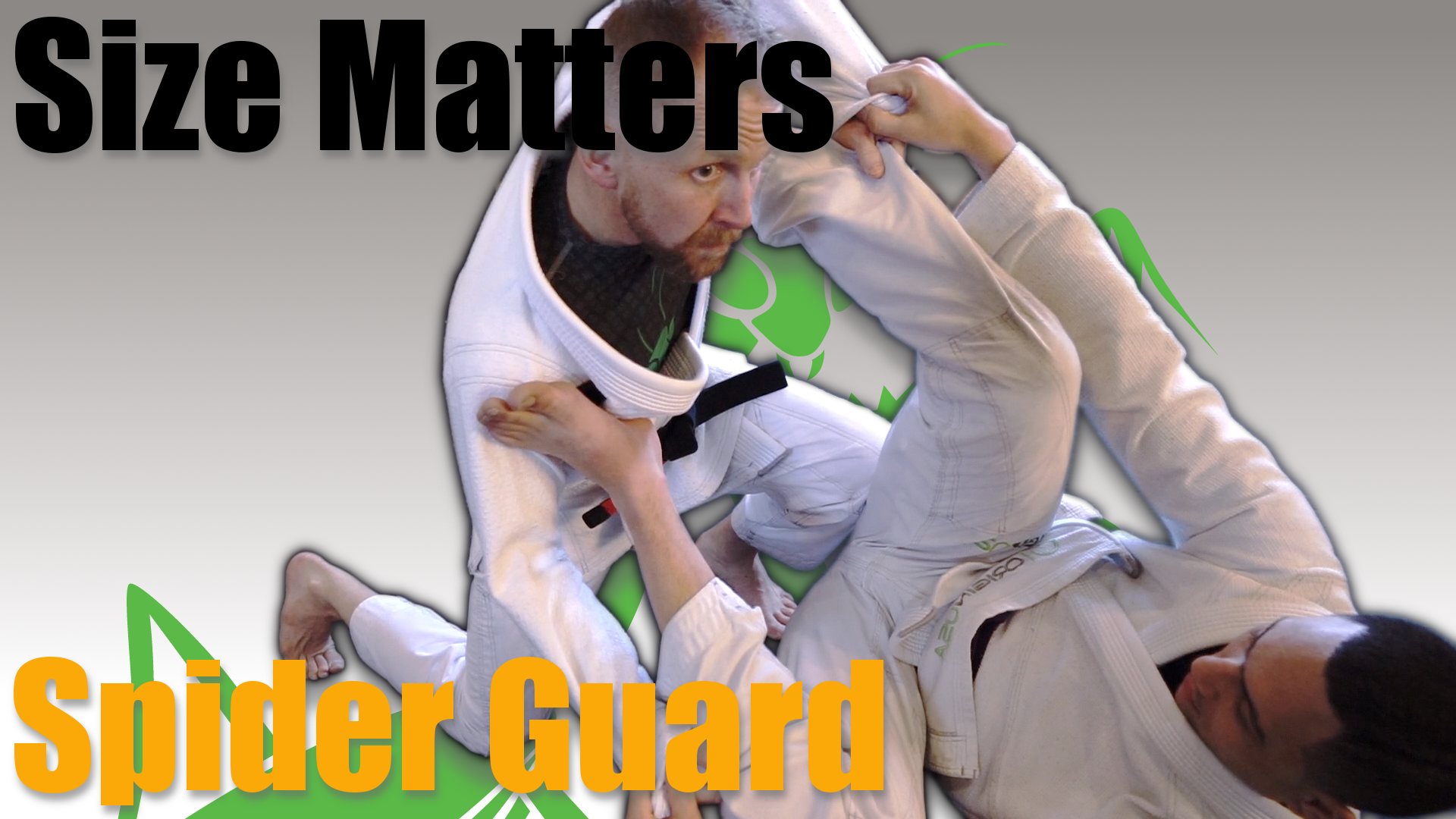
Size Matters!!! - Part 2 - Spider Guard
Part 2 of our new series on how size affects your martial arts. This is another one for BJJ - Spider Guard. There are some important…
Part 2 of our new series on how size affects your martial arts. This is another one for BJJ - Spider Guard. There are some important differences with leg/foot position that can matter if we are a smaller, or larger grappler. Thomas and Vincent assist me in demonstrating a good foot position for spider guard depending on your height.

Size Matters!!! - Part 1 - Turtle Position
New series we're releasing on size matters. When doing martial arts of any kind, size is a determining factor in what moves will work, and what…
New series we're releasing on size matters. When doing martial arts of any kind, size is a determining factor in what moves will work, and what won't for you and your size. We're going to highlight some common positions where this stands out.
In the first episode we tackle the turtle position in BJJ/MMA, and how to choose the right escape for you and your opponent.

6 Submission for 6 Positions - Side Control
Part of your journey in Brazilian Jiu-Jitsu is the transition from surviving, to defending, to getting to a dominant position. Position before submission is crucial for getting a successful submission on our opponent. But what happens when we first…
Here’s a follow-up to our popular video on the 6 Positions of Side Control Drill. Now we can apply a submission in each of these positions to help train our offensive game.
Part of your journey in Brazilian Jiu-Jitsu is the transition from surviving, to defending, to getting to a dominant position. Position before submission is crucial for getting a successful submission on our opponent. But what happens when we first go from surviving/defending, to continuously getting to a dominant position? Often times the brain shuts down, and we don’t have a clue what to do next. It’s important to have a gameplan.
Knowing a submission from each position, will give you a strategy to move from position to submission, or at least attempting one. Here is a companion video to go along with 6 Positions of Side Control video. Once you get that basic drill down, and you find yourself getting to side control frequently. Try this drill to learn a submission from each position and expand your game!

The CHAINS of CLOSED GUARD - An Attack Strategy for Resistant BJJ Opponents
The closed guard is considered a dominant position in BJJ. Unfortunately, for most of us as we progress in the art, it devolves into nothing more than holding someone in place. We try the basic attacks we learn, but someone with very little knowledge can…
The closed guard is considered a dominant position in BJJ. Unfortunately, for most of us as we progress in the art, it devolves into nothing more than holding someone in place. We try the basic attacks we learn, but someone with very little knowledge can shut them down through resistance alone.
I found this annoying, and I'm sure I'm not alone. Holly is going to help me show you a chain of attacks I use from 'closed guard' that may help you solve this. Check it out and maybe it can help you improve your success rate at submitting, or sweeping your opponent on the ground in Brazilian jiu-jitsu.