

Pandora's Box of Podcasts - Martial Arts Psychology with Sensei Ando
Today's podcast is with my good friend and martial arts aficionado, Sensei Ando of SenseiAndo.com, and Happy Life Martial Arts. We may very well have opened Pandora's Box here with this discussion. In his first appearance on my podcast, Sensei Ando and I discuss…
Today's podcast is with my good friend and martial arts aficionado, Sensei Ando of SenseiAndo.com, and Happy Life Martial Arts. We may very well have opened Pandora's Box here with this discussion. In his first appearance on my podcast, Sensei Ando and I discuss a variety of topics from fitness in martial arts, training failures, martial arts psychology, dissecting frogs, serial killers, bad teachers and whatever other manner of odd conversation that happened to introduce itself to this conversation. As always though, a rich and enjoyable conversation with Ando and something I'm sure all of you will enjoy.
If you liked this podcast, you might like a few more collaborations Ando and I have done:
#58: Randy Brown Interview [Podcast]
Tips to Manage Distance in a Fight with Randy Brown
#82: Are Forms and Kata a Waste of Time in Martial Arts? [Video + Podcast]
Clinch Escapes for Self-Defense
Coach Holly from Mantis Boxing working Scissor Clips with Ando
For more good stuff from Sensei Ando:
Find him on YouTube -
https://www.youtube.com/channel/UCA-fjIPMlUThsqi4mX_tDNw
Find his website and podcast -
https://www.senseiando.com/fight-for-a-happy-life/--
Instagram -
Video Courses -

10 Principles of Success for Boxers
Understand the liability, pluses, and minuses of each position and movement.
Increase our level of skill through easy to understand diagnostics.
Turn our failures into success.
So often in the fighting arts, we lack…
So often in the fighting arts, we lack principles or framework to improve our skills through critical analysis. A few artists/fighters/boxers, mainly those willing to take some beatings, are able to improve their skills, while others are left feeling like they just don’t have what it takes.
When we take our training to the sparring phase, whether on the mat, in the ring, cage, or a backyard, if we find that we are not getting better, that we are simply not improving as fast as we’d like, this manual and the tools enclosed, can make all the difference. Enjoy.
Understand the liabilities and gains, advantages and disadvantages, and the compromise of each position and movement in combat.
Increase your level of skill through easy to understand diagnostics that help you to improve and implement immediate corrective action.
Turn your failures into success.

James ‘Jocko’ Sutton’s gloves - 3x Golden Glove Champion
photos by Max Kotchouro

5 Tips to Setup Your Home for Martial Arts Training
Here are 5 tips to help you with setting up, and training martial arts (boxing, Brazilian jiu-jitsu, wrestling, judo, etc.) at home. Today I'll go over good training practices to make sure you stay with your training, ideal locations and how to adapt to what type of space you live in, types of heavy bags and how to size them, throwing dummies, grappling dummies, and type of mats you want to look for if you do any ground work/takedowns/grappling or wrestling.
Here are 5 tips to help you with setting up, and training martial arts (boxing, Brazilian jiu-jitsu, wrestling, judo, etc.) at home. Today I'll go over good training practices to make sure you stay with your training, ideal locations and how to adapt to what type of space you live in, types of heavy bags and how to size them, throwing dummies, grappling dummies, and type of mats you want to look for if you do any ground work/takedowns/grappling or wrestling.
My favored training products:
►Mats -
Training Mat - (best mats hands down) - https://amzn.to/3eKfrqM
Crash Mat (I use this. Highly recommend) - https://amzn.to/2U5jk1J
►Gloves RevGear
Challenger MMA 4oz Gloves - https://amzn.to/2YN06Ri
►Heavy Bags/Hangers
Heavy Bag - 4' (for shorter spaces) - https://amzn.to/371uIRt
Heavy Bag - 6' (for longer spaces) - https://amzn.to/301Duxt
Heavy Bag Hanger 1 (wood beam - I use these) - https://amzn.to/2zVolTF
Heavy Bag Hanger 2 (wall mount) - https://amzn.to/2U1s1Kf
►Timer
Round Timer - https://amzn.to/3dt75n7
►Grappling Dummies
Budget Canvas - https://amzn.to/2XGr7UX
My personal recomendation - I use this one
►Pads/Shields
Punching Pads (these are the best I've used) - https://amzn.to/2zNi4tn
Kick Shields (have not used this brand but fair price) - https://amzn.to/2MqJKqm
►Ropes
Jump Rope (the one I use) - https://amzn.to/2MmYGWq

What is Active Recovery? w/ Dr. Kate Kelly - Training Tips, Injuries, Training for Women, Aging/Adapting
Today I had the distinct pleasure of interviewing Dr. Kate Kelly of Active Recovery Boston [ https://www.activerecoveryboston.com/ ]. Dr. Kelly has helped me work through a myriad of injuries over the past 10+ years. She is one of my first stops whenever I have something getting in the way of my training.
We had a great discussion on…
Today I had the distinct pleasure of interviewing Dr. Kate Kelly of Active Recovery Boston [ https://www.activerecoveryboston.com/ ]. Dr. Kelly has helped me work through a myriad of injuries over the past 10+ years. She is one of my first stops whenever I have something getting in the way of my training.
We had a great discussion on ‘What active recovery means', and how it can interplay with injury prevention and recovery; strategies to apply it, and why it is important to athletes and non-athletes alike. We also delve into the differences in training for women and men, and the affects of ageing on athletes and how we can keep training smart well into our twilight years. Join us for this excellent conversation.
Active recovery activities include - walking, swimming, tai chi, qi gong, yoga, stretching, and more.
Qi Gong
Check out our new Qi Gong course here for an excellent active recovery training program that I have used for years.

Using Chess to Solve Martial Arts Problems
Latest podcast on tackling and solving difficult problems we have in martial arts forms/kata/tao lu. Check out these tips I used to improve, that are found in Chess.
Latest podcast on tackling and solving difficult problems we have in martial arts forms/kata/tao lu. Check out these tips I used to improve, that are found in Chess.

"How Long Does It Take To Be A Black Belt?"
Let’s answer this common question in martial arts with some good ole fashion math!
Let’s answer this common question in martial arts with some good ole fashion math!

How to Defeat the BJJ Guard in 4 Easy Steps
End the frustration!
Have you ever wanted to try one of the amazing submissions or sweeps from Brazilian jiu-jitsu and instead, spent the entire class stuck in guard? Do you find it impossible to pass guard because you cannot even break the guard in the first place? Do you routinely break guard on people your own size, only to be shutdown and back to square one against a larger opponent?
The BJJ Guard is a Nightmare to Deal With.
End the frustration! Pass Guard. Dominate. Submit.
Have you ever wanted to try one of the amazing submissions or sweeps from Brazilian jiu-jitsu and instead, spent the entire class stuck in guard? Do you find it impossible to pass guard because you cannot even break the guard in the first place? Do you routinely break guard on people your own size, only to be shutdown and back to square one against a larger opponent?

I’ve been in your shoes.
I’m Randy Brown and I’m a black belt in Brazilian jiu-jitsu. I’ve been teaching martial arts for almost 20 years. My primary art, mantis boxing, did not have a ground game so I undertook the mission of getting to know the ground fighting game to the best of my abilities, but I started this much later than my other training. This helped me to approach BJJ with a methodical mindset. Always looking for more efficient and effective ways to train, teach, and execute the skills I use, and share with my students.
In this course I will dissect the BJJ guard problem into 4 easy to learn steps to help you master this part of your ground skillset and break and pass your opponents guard so you can focus on the exciting aspects of sweeps and submissions. Match the correct breaking method to the right size opponent. Learn how to keep them from pulling you back into guard as you ready for the pass and win that dominant position.
Don’t Take My Word For It…
Here is testimony direct from high-level, professional martial artists on the effectiveness of my course:
“This course is an incredible time-saver for beginners and a solid tune-up for everyone else. There's no fluff in here-- just the info you need to start breaking and passing guard effectively. If you can't take a private lesson with Sifu Randy in-person, then take this course--it's a no-brainer. Recommended!” - Ando Mierzwa - Black Belt from multiple styles, and BJJ Brown Belt
“A brief, yet deep dive into the vital middle ground of newaza. Recommended.” - Roy Dean - 3rd degree BJJ Black Belt
Put a method to the madness and start today!
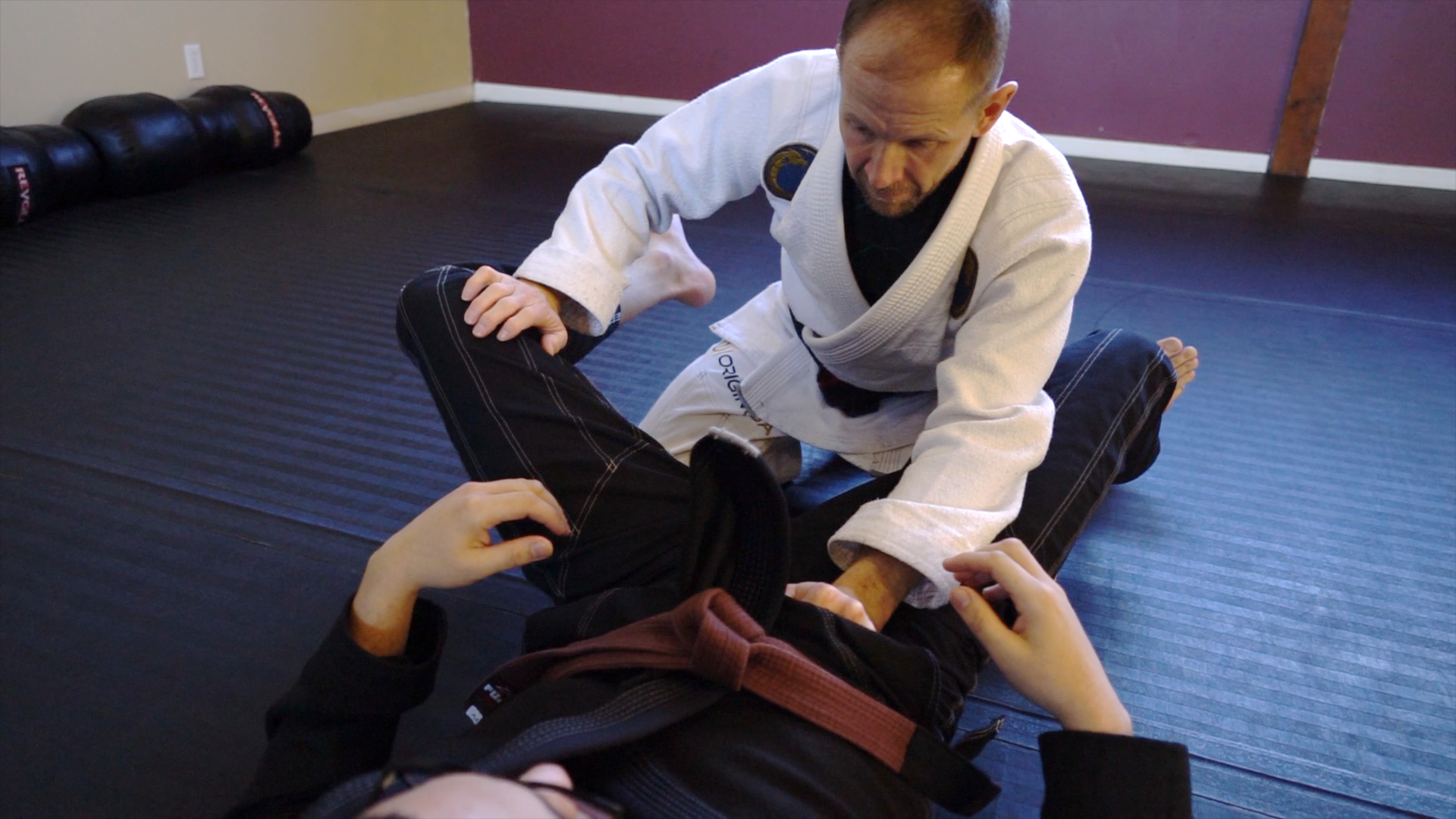
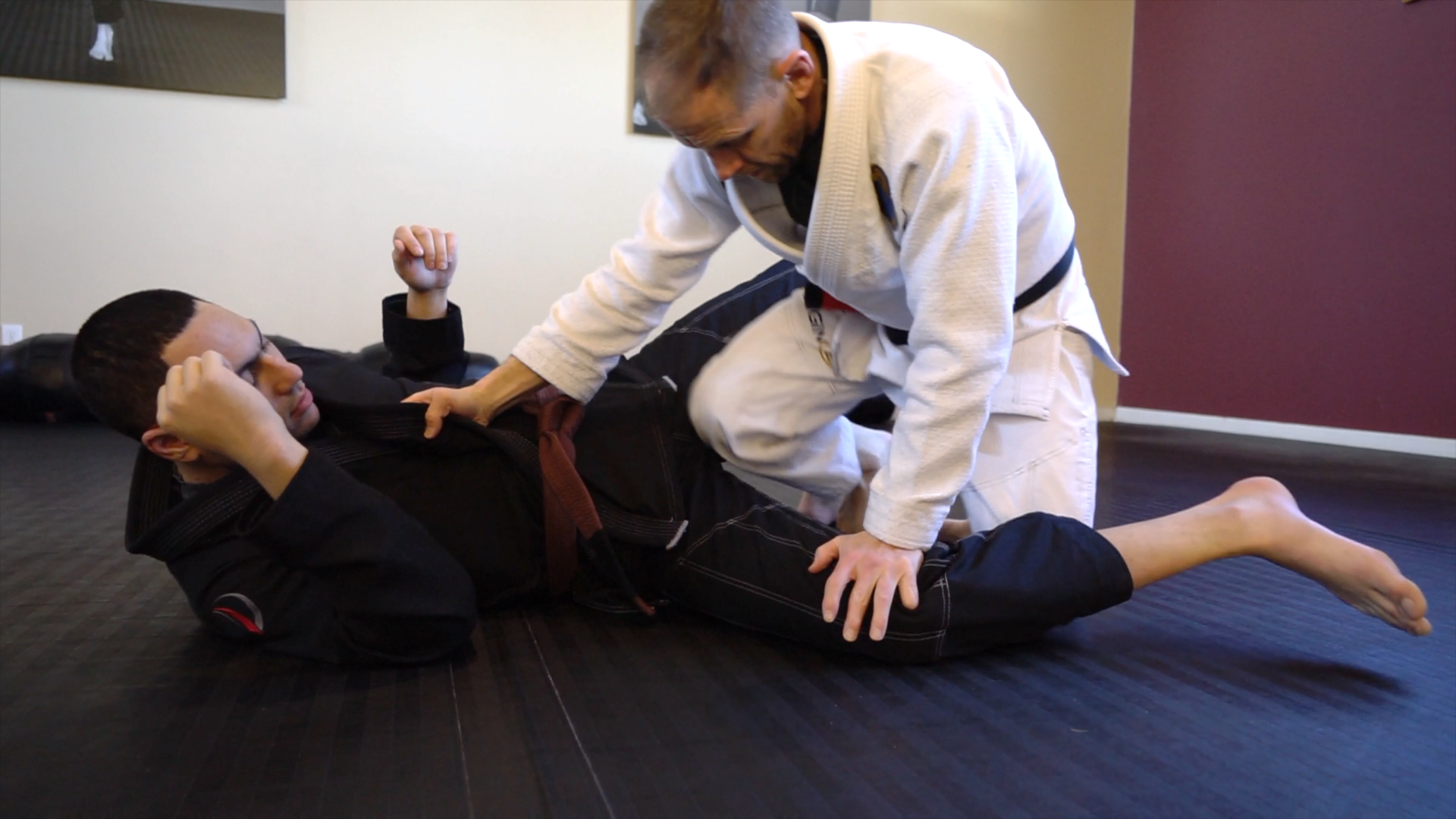
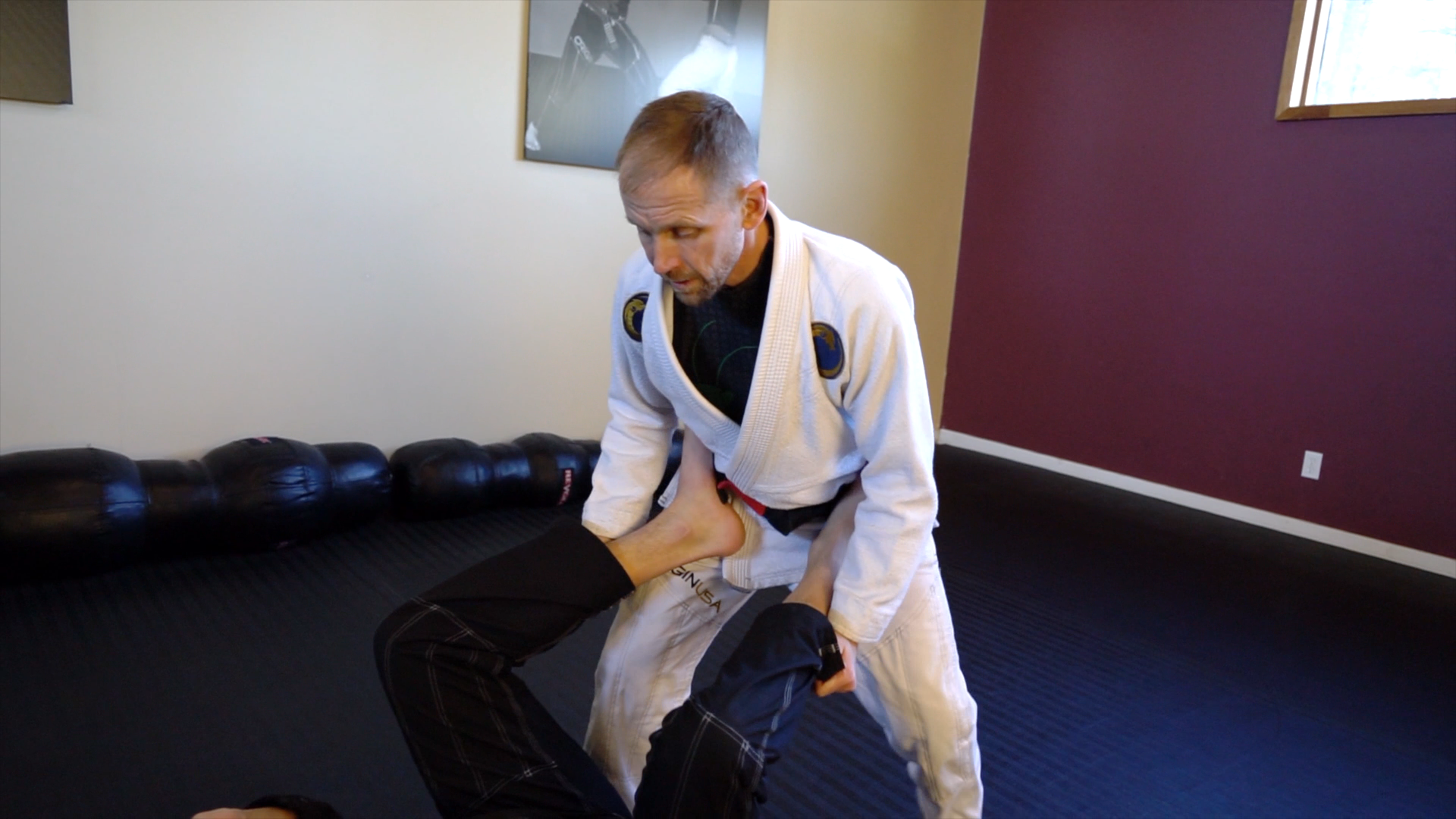
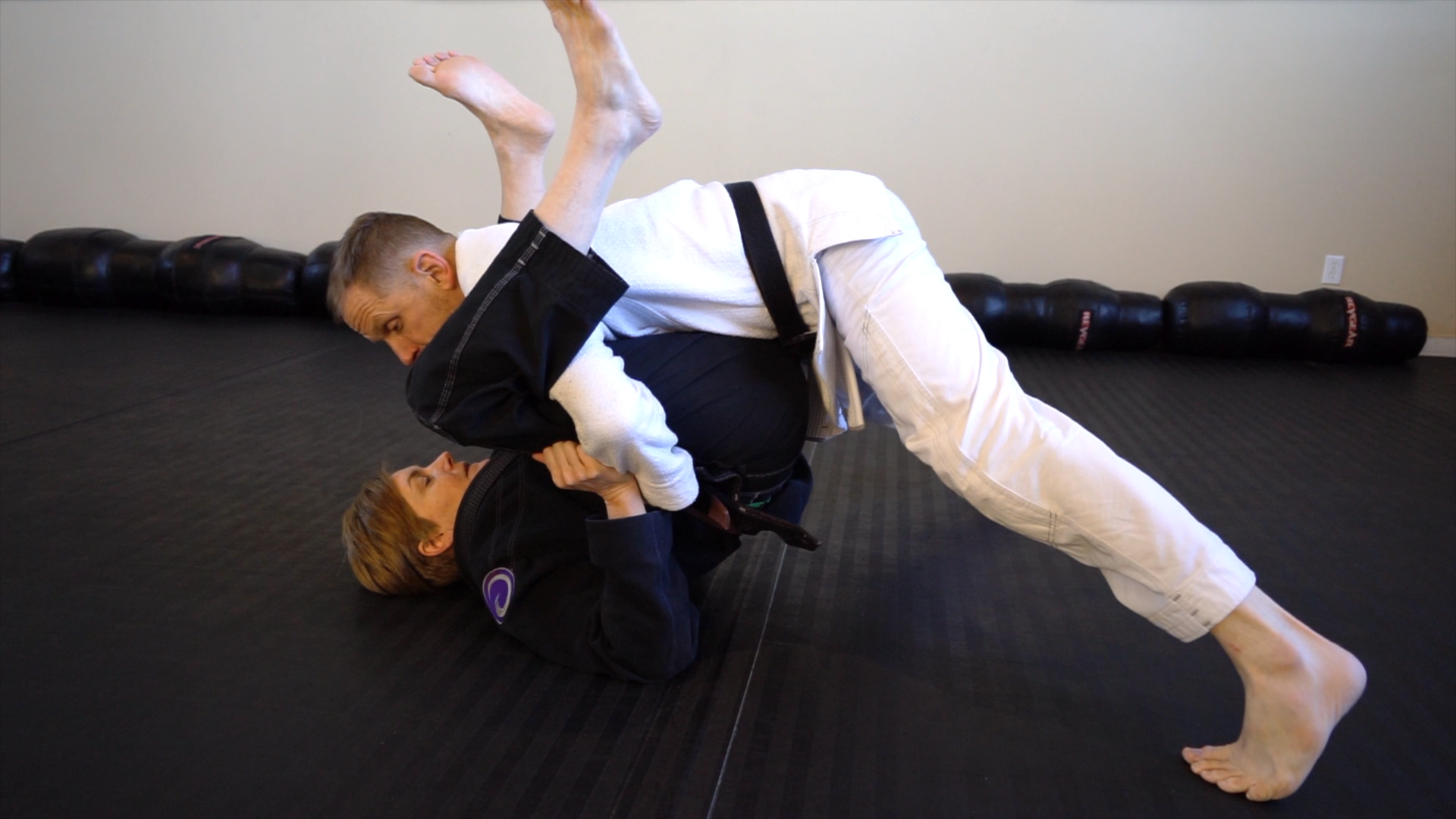
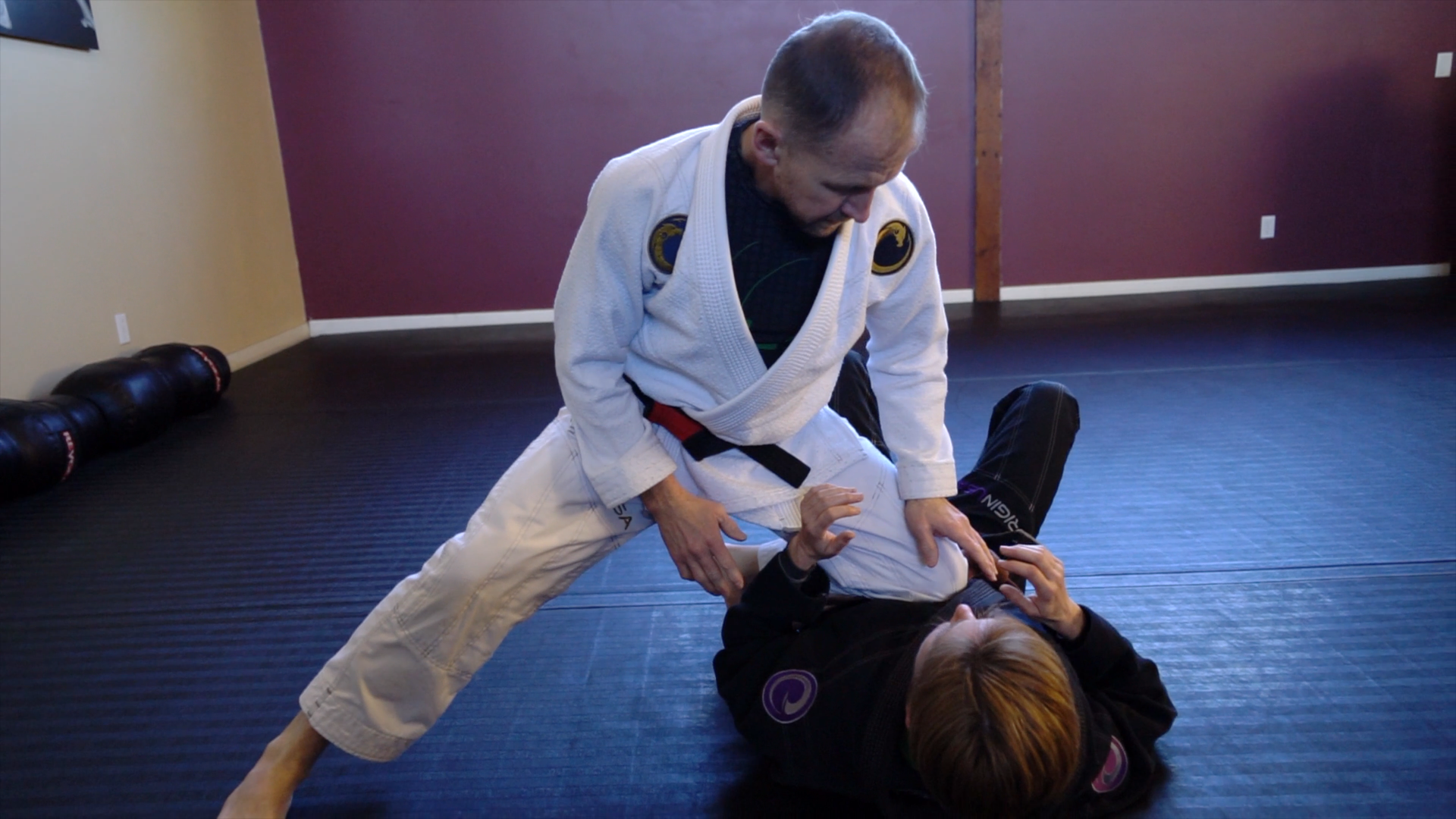
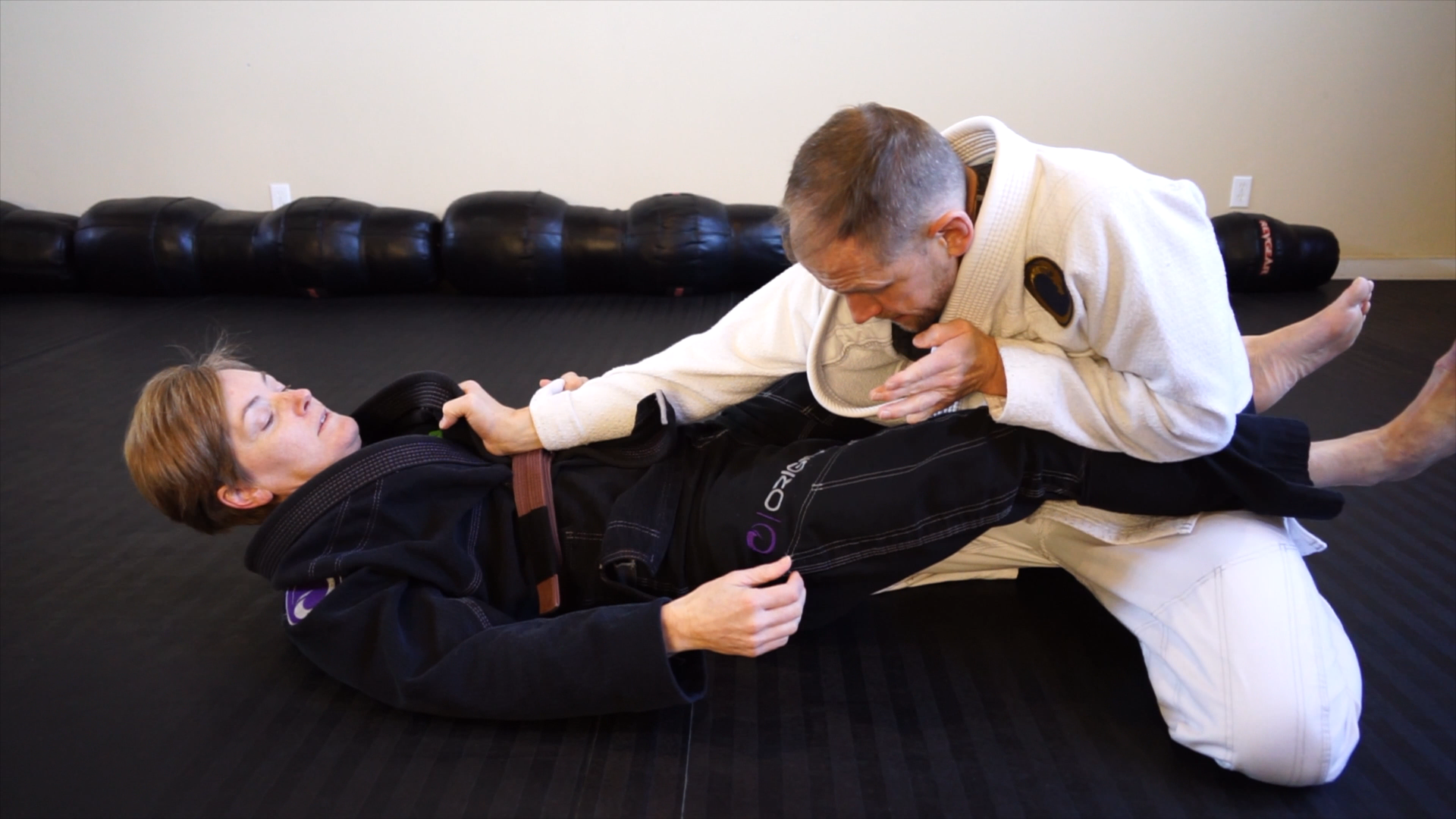
This video includes:
A 32-minute detailed video instruction on how to simplify the break and pass of the guard in 4 easy to follow steps.
Includes managing the guard. Grip-fighting. Gi vs No-Gi. Breaking methods for smaller vs. taller. A variety of standing and ground passes that will stay with you throughout your jiu-jitsu journey.
*course included with Legacy Boxer and Supreme Ultimate Boxer memberships

Guest Appearance: Are Forms/Kata a Waste of Time in Martial Arts? w/ Sensei Ando
I had the great pleasure of returning once more as a guest on Sensei Ando’s channel Happy Life Martial Arts. We had an amazing, and thought provoking discussion on martial arts forms training, solo training, and more. We even threw some virtual punches, and a shadow Heimlich maneuver was almost necessary. Check out the video for a great podcast.
Guest Appearance: - Episode #82
with Sensei Ando of Happy Life Martial Arts
I had the great pleasure of returning once more as a guest on my friend Sensei Ando’s channel Happy Life Martial Arts. We had an amazing, and thought provoking discussion on martial arts forms training, solo training, and more. We even threw some virtual punches, and a shadow boxing Heimlich maneuver was almost necessary. Check out the video for a great podcast.
I highly recommend following him on his YouTube channel, as well as his podcast. Even though he is famous enough now with over 249,000 subscribers, a few more can’t hurt!
You find more of Sensei Ando here:
Sensei Ando
Sensei Ando YouTube Channel

Our Brain on Solo Training
How our brain and body benefit from solo training in martial arts. But there are pitfalls too.
How our brain and body benefit from solo training in martial arts. But there are pitfalls too.

How to Train Martial Arts on Your Own
These times require us to innovate and adapt to the changes in our lives, routines, and day to day activities. For weeks many of us have been without a class to attend. The good news? We can still train martial arts without a class or partners, and continue to develop our skills and improve.
What does it take to make this happen? You can watch this video I made this week telling a story on why I had to learn to train myself in martial arts, or you can skip below and jump to the bullet points so you don’t have to wait any longer to train.
Either way, rest assured
These times require us to innovate and adapt to the changes in our lives, routines, and day to day activities. For weeks many of us have been without a class to attend. The good news? We can still train martial arts without a class or partners, and continue to develop our skills and improve.
What does it take to make this happen? You can watch this video I made this week telling a story on why I had to learn to train myself in martial arts, or you can skip below and jump to the bullet points so you don’t have to wait any longer to train.
Either way, rest assured whether you are the student, or your a parent of a child that trains a martial arts, I am here to help you navigate this process and I have plenty of experience with self-training to be able to give you advice. Keep training!
Randy
[special section for parents further down]
How to Train Martial Arts on Your Own
Routine
To be successful with training martial arts on your own, you MUST have a routine. This is the most important aspect of self-training, and even group class training. It is too easy to say “I’ll do it tomorrow.” Tomorrow turns into next week, and then next month. Set a schedule for your training times at times during the week you know you can adhere to.Agency
This block of time is yours, and it must have agency. It is not something that we allow to be swayed or taken away by trivial distractions [such as a binge watching session on Netflix]. We treat these blocks of time as sacred, and do not allow ourselves or others to sideswipe them. If we do, we will do it again and again and never train. So treat your own class, just like a scheduled group class at your gym, school, dojo.Place to Go
Try to find a place outside, in a garage, barn, basement, or a separate room in your house/apartment if you have one to spare, that can be used for your training. During these time blocks, this is your dojo/place of training. Other people are not in here unless they are training with you, and others know to leave you be during your session.Frequency
This is up to you, but it should be consistent from week to week. Try to start out with something similar to what you were doing at group classes. If you were training 2 hours per week, then try to set up two 1-hour blocks each week, or four 30-minute sessions instead. If you trained more than that, then add more slots in. If you trained more than one discipline, like my students who train mantis boxing and jiu-jitsu, then have separate blocks of time to focus on each. Again, consistency, agency, private space are all a priority, but this step is important to establish from the beginning as it helps reinforce ‘routine’.Plan of Attack
This is a critical stage and just as important as any of those above. We have to know what we are going to train. This is probably one of the largest failures we have going to a big box gym - “what do I do next” If I can find it, I’ll add a picture to this article later showing you some of my routines/schedules I built for myself years ago when I had no choice but to train alone. Have a log, notebook, where you set aside what you specifically are going to do for each session. Update it weekly.Family Unit
If you are at home with others during this time, have them join you and if they have no experience, you teach them. Teaching others is one of the best ways we get better. We learn what we know and do not know (do not worry, you do not have to have all the answers or know everything to show someone newer than you). This is such a powerful tool, you will be surprised how much it can help. If you are trying to train your kids - focus less on ‘teaching’ them, and more on doing. If they see you enjoying yourself and having fun, they will follow along. Forcing them is counter-productive. See below for more parent tips.Wear your Uniform
This may seem like an odd one at first glance, however, this has more significance than you may guess. The act of putting on our uniform, commits us mentally to the act of training. This is part of the discipline that you exhibit week after week showing up for class. Continuing this ritual on our own puts us in the same mindset and lets us not only commit to training, but keeps us on the rails as we stick to our planned training time. With that said, do not wear your uniform all the time. The act of putting it on, and taking it off when done, keeps that box cordoned off in our mind. We know when we wear it, that this is a sacred time that we need to respect for ourselves.
Parents
See everything above before reading this. Those items are still relevant and will help you in setting up a plan of action for your child.
Routine
I know I mentioned it above, but I can’t repeat this enough. No video games, movies, toys, etc can get in the way of ‘time to train’. These are hard and fast blocks and they should know they have to go to a certain place to train. Consistency is key, so if you are able to set the same time block aside for each day of training, this will be a big help to you in getting them to train. If it is arbitrary or day to day, it is difficult for any of us to become mentally engaged off the cuff.Videos
Use video training [preferably from their school/style] as ways to promote interest and learning. This can be part of the training block i.e., 15 minutes of watching lessons, and 30 minutes of training. As the parent, you may not know what they are working on in class, or where to focus, but asking for help from their teacher, can help you build a lesson plan for them. In some cases, the video may be useful throughout the entire session so it is good to have access to a screen so they can rewind or pause as needed (as long as it is not a game they switch too).
How Long Does My Child Train?
This is based entirely on age. The younger they are, the less time you should expect. A 10 to 12 year old might be good for an hour of training 3 or 4 times per week and have the discipline to stay engaged. A 5 year old however may only work in 15 to 20 minute blocks and need more frequency such as 6 to 8 blocks per week.
Ask for Help
If you need ideas, or direction, ask their instructor to help guide you, or provide a lesson plan for each week so it eases the process and all you have to worry about is the tips we mentioned in the beginning.Older Teaches Younger?
If you have siblings that all train together, this common purpose creates a strong bond where they can help one another get better. If you do not train yourself, it is important to sit back and allow them to teach one another. At times the eldest child will guide and teach, but the younger child may know something they do not, so it is important this is not authoritarian by the older sibling. Keep in mind the parent can become the inhibiting factor in these training session rather than a positive influence. Our job is to make sure they do not hurt one another, or get out of control, but otherwise we keep quiet and give them the autonomy to teach/train together. If they are mature and show positive results with this, then you can run test sessions where they are allowed to spar/roll with one another for short rounds of 3 minutes at a time.
Good luck!
I’ll add more tips as I think of them, but hopefully this is enough to get you started.

Are Head Hits in Boxing/MMA Good or Bad? The Truth...
Is getting hit in the head bad for us when we train in martial arts such as boxing, MMA, kickboxing, karate, muay thai, etc.??? Here is how I see it, and what I did to my students to make them train smarter. Being educated on the truth can keep us training safe for years to come.
Is getting hit in the head bad for us when we train in martial arts such as boxing, MMA, kickboxing, karate, muay thai, etc.??? Here is how I see it, and what I did to my students to make them train smarter. Being educated on the truth can keep us training safe for years to come.

Countering the Hip Toss
Ever been mistaken for a sack of potatoes? Do you dislike being dislodged from the earth you stand on, turned upside down and dropped on your head or back? Here’s a little tip to counter that nasty hip toss throw your opponent might try out of mistaken identity, or something more nefarious.
Ever been mistaken for a sack of potatoes? Do you dislike being dislodged from the earth you stand on, turned upside down and dropped on your head or back? Here’s a little tip to counter that nasty hip toss throw your opponent might try out of mistaken identity, or something more nefarious.

Size Matters - Tiger Tail vs Hip Toss Throw
The hip toss, and its variations such as 'overturn the sack', and 'old man carries fish', are awesome and devastating throws. However, there are complications for these throws when applied outside of competitions where weight classes keep opponents generally closer in size to one another. Depending on your size, the hand position, and the choice between using the tiger tail throw instead of hip toss can mean all the difference in success rather than failure.
The hip toss, and its variations such as 'overturn the sack', and 'old man carries fish', are awesome and devastating throws. However, there are complications for these throws when applied outside of competitions where weight classes keep opponents generally closer in size to one another. Depending on your size, the hand position, and the choice between using the tiger tail throw instead of hip toss can mean all the difference in success rather than failure.

Size Matters in BJJ!!! - The Omaplata Submission
Here are a few tips if you are a smaller grappler trying to submit larger opponents with the omoplata submission from Brazilian jiu-jitsu. This can drastically alter our success rate for finishing, rather than struggling to combat height, strength, and counters.
Here are a few tips if you are a smaller grappler trying to submit larger opponents with the omoplata submission from Brazilian jiu-jitsu. This can drastically alter our success rate for finishing, rather than struggling to combat height, strength, and counters.

Size Matters in BJJ!!! - Part 3 - Breaking Closed Guard
Here's one of my favorite closed guard breaks, and why it is horrible for taller vs. smaller. If you do use this BJJ escape, here is the answer to 'why isn't my closed guard break working?' Enjoy this next installments in our Size Matters series. This is a must see if you are trying to break a smaller grapplers closed guard.
Here's one of my favorite closed guard breaks, and why it is horrible for taller vs. smaller. If you do use this BJJ escape, here is the answer to 'why isn't my closed guard break working?' Enjoy this next installments in our Size Matters series. This is a must see if you are trying to break a smaller grapplers closed guard.

The Art of Counter-Striking
There are two types of fighters - offensive fighters, and counter-fighters. A list of descriptors for offensive fighters is comprised of - aggressive, confrontational, type-A personality, control freaks, etc. On the inverse, the counter-fighter may be described as - laid back, docile, relaxed, non-confrontational. I contest that, no matter what your style of fighting is, I will make the case that the counter-striking skills are crucial to both camps of fighters. For now, if you are an offensive fighter, skip ahead to the section below on Offensive Fighters. If you are a Counter-Fighter, then carry on to the next paragraph.

photo by Max Kotchouro
There are two types of fighters - offensive fighters, and counter-fighters. A list of descriptors that may indicate we are an offensive style fighter are comprised of, but not limited to - competitive, aggressive, confrontational, type-A personality, control freak. We know who we are! On the inverse, if we’re a counter-fighter, we may be described as - laid back, docile, relaxed, non-confrontational. I contest that, no matter what our style of fighting is, counter-striking skills are crucial to both camps of fighters. For now, if you are an offensive fighter, skip ahead to the section below on offensive fighters. If you are a counter-fighter, then continue on to the next paragraph.
Counter-Fighters
If we are a counter-fighter, then the following techniques are going to be our bread and butter. We are the ‘shield-bearers’, the ‘defenders’. After we attain a base proficiency in blocking then we will need to immediately gravitate towards applying counter-strikes. We cannot defend, or retreat forever. In order to prevent our aggressor from becoming emboldened and running us down, we need to hit them back from time to time to send a message.
What defines “a base proficiency in blocking?” This manifests from learning to trust our blocks; an absolutely crucial facet to counter-striking strategy. Slipping and ducking can apply here as well. When we’re new to the striking arts we learn to block, slip, duck, dodge, but in the interim we usually have one, and only one gear we know how to use in regards to our footwork - reverse. This is OK at first, as it hedges our bets on blocking and keeps us at a safer distance. Meaning we can block, but we’re essentially neutralizing our opponents attack with our footwork at the same time.
If we examine this move for move, our opponent advances with a strike and our footwork, ‘could’, if properly timed and spaced, eliminate the need to block. While this is a fair tactic, we cannot backup forever and our opponent can move forward further and faster than we can move backwards.
The solution comes down to taming our fear, or attaining some semblance of emotional control. We do this by either learning to take a punch (an ill advised solution), or by gaining proficiency in blocking, slipping, ducking, or a combination thereof. The latter cogent so that our defensive deflection is dependable and worthy of trust. Once we have achieved this skill, then we can venture forth into the counter techniques shown further below. First, we need to address those offensive fighters, whose skills are also necessary to us when faced off against another counter-fighter. Otherwise…there is just an uncomfortable stare down.
Offensive Fighters
If we’re an offensive fighter then our strategy/tactics/game are comprised of - going in, stealing the initiative; or obtaining the first-strike. Unsettling our opponent so they cannot gain first-strike capability on us. We prefer to dictate the pace and energy of the fight. For us, bridging tactics, rather than counter-striking are the key to our survival; the primary swords in our arsenal. In a battlefield scenario, we are the ‘cavalry’, or the ‘archers’. We launch the preliminary attack, engaging the enemy, gaining initiative, and disrupting their defense.
Let’s examine this more closely in a play by play:
We launch our first-strike attack on our opponent.
As we enter the fray they blast us in the leg with a powerful round kick to the soft tissue of the quadricep muscle (think charly horse). Or equally destructive, the femoral nerve on the inside of the thigh.
This counter-attack stops us in our tracks and we miss our attack opportunity, opting to retreat and recover our position instead of pressing forth.
The second attempt…ends with the same result. If our opponent is good, then they nailed us in the same target as the first time.
We may muster the courage to try once more with the same assault. For the sake of this scenario, we meet the same fate for the third time. Our leg is now feeling like rubber and we decide at this point to stop pressing the attack and try to nurse our wounds.
What’s next? Scroll back up to the section on counter-fighting because we just got schooled on why, as offensive fighters, we need to have a counter-striking game in our arsenal. Our opponent just turned us into a counter-fighter.
Counter-Strike Setups
In order to develop counter-striking as an intrinsic part of our game, there are some simple counters we can start with. From there we can increase the complexity. Let’s start with counters found in some of the old mantis boxing forms such as ‘upper block/punch’, and ‘upper block/chop’, and more:
Starter Counters
Upper Block to Straight Punch, or Thrust Palm
Upper Block to Chopping Fist (Hammer Fist)
White Snake Spits Tongue - Circle In Block to Spear Hand, or Eye Plunder
Circle In Block to Thrust Palm
Circle Out Block to Ear Claw
These are simple retaliatory strikes that flow naturally off of the blocks they accompany. The key to success with these counters is more about timing, proper range (may need to close the gap as part of the counter), and seeing them real time. The last being the most difficult, and only manifests from experience drilling with feeders, and light sparring.
Adding Complexity
The following are simple counters but rely heavily on an advanced awareness of our enemies position, proper guard, good blocks, and the aforementioned timing and awareness. The overall feeder (strike thrown from the opponent) that we’re looking for is easy, but reconnoitering the enemy footwork prior to execution is critical.
In regards to executing these techniques, it is imperative that the defensive guard facets of our game are in place before applying the following counters. See further below for common fail points with these two techniques. Hint: usually attributed to a failed guard component.
These next two counters are also prevalent in mantis boxing forms that have been handed down over the generations. They are, in my opinion, some of the better counters but they are mutually exclusive; related to one another only in a general category of counter-strikes, as they require unique entries by our opponent.
Monkey Steals Peach - Opposite Arm Attack
The setup we’re looking for to initiate monkey steals peach is as follows:
My left foot is forward and my opponent is matching/mirroring my stance with their left foot forward.
The strike initiates from their left (lead/opposite) hand as they shuffle in. As you’ll see in the video, use a parry (not a block) combined with a cross circle step to their outside line.
Counter with a groin slap.
Alternatively, my opponent is instead starting from a southpaw stance. In this case I would need them to step in vs shuffle in with their opposite hand (left hand strike in our example above). The end result is the same, I get the opposing arm and foot leading the charge.
Crazy Ghost Fist - Same Side Arm
The setup for crazy ghost fist is as follows:
My left foot is forward. My opponent’s right foot is forward placing us in a southpaw position.
The strike initiates from their right hand as they shuffle in. I use a parry rather than a block, guiding the hand off to the side, being sure not to aggressively push it away. This will cause my body to twist up and reduce my counter-punch power.
Coordinate the parry with a slip offline toward the outside of their lead (right) foot.
Shuffle forward and counter with cannon fist to the liver.
As with monkey steals peach, an alternate setup is for the opponent to start with left foot forward, but they step in, rather than shuffle in. We end up with the same right arm/right foot combo we need for the counter-strike opportunity to manifest.

Scenarios
When and where to apply monkey steals peach (MSP) vs crazy ghost fist (CGF).
A. CGF - opponent shuffles forward with lead hand strike from southpaw stance.
B. MSP - opponent steps in with a rear hand strike from southpaw stance.
C. CGF - opponent steps in with rear hand strike from matched stance.
D. MSP - opponent shuffles in with lead hand strike from matched stance.
Common Fail Points
Guard
In order to apply counters successfully, especially monkey steals peach and crazy ghost fist, our guard must be intact and operating to maximum efficiency. With even one component of our guard out of place things unravel very quickly when trying to block, never mind trying to apply a counter-strike. It is possible to trade shot for shot while staying in the pocket, but this is ill advised especially against a larger, stronger, or more skilled opponent. Proper guard positioning will not only shut down many of our openings, but also lead to a successful block|counter response.
Guard Components:
Hands up - fingertips no higher than eyebrows. Preferably lower.
Elbows tucked - covers the liver and stomach targets
Staggered arms - 1 arm in, 1 arm out. This is assisted by a bladed body position and staggered stance.
Shoulder Line - our hands are lined up on the opponents shoulders creating an open channel down the centerCrossing Zones
This is usually a bi-product of our guard failing. Having to cross zones in order to block because our hands were down, or not lined up with the opponents shoulders. Crossing zones ties up our arms and forces us into awkward positions that spin wildly out of control. We’re forced at this point to bail out if we can, and try to reset our position to neutral.
Out of Neutral Position
Allowing the opponent to gain our centerline before they close range can lead to a crisis we have to contend with rather than looking for counter-strikes. While it is still possible to counter from a bad angle, our position is so poor that our strike will lack power and we’ll quickly pay for any minor success by stumbling, falling, tripping, or succumbing to the rain of blows that is sure to follow from our opponents superior positioning. It is imperative we pay close attention to keeping neutral positioning until the engagement takes place.

Tear Down the Monkey - Fight Stance Revamp
A critical analysis of the fighting stance we've been using for years. And why I got rid of it.
I recently went through some changes in my teaching and practice. One of these recent changes was in our fighting stance. The reasons for these are many, and too lengthy to explain for these purposes. However, the root of any changes I make are always born of a desire to improve things for myself and my students.
Let’s compare the stance we were using for years, the Monkey Stance, with the…
A critical analysis of the fighting stance we've been using for years. And why I got rid of it.
I recently went through some changes in my teaching and practice. One of these recent changes was in our fighting stance. The reasons for these are many, and too lengthy to explain for these purposes. However, the root of any changes I make are always born of a desire to improve things for myself and my students.
Let’s compare the stance we were using for years, the Monkey Stance, with the 3 Dimensional Stance, 4-6 Stance, or 40/60 Stance common to other Chinese boxing systems from the same region and era.
Monkey Stance (Hóu Shi 猴势)

Monkey Stance
The ‘monkey stance’ is found in seven star praying mantis boxing, plum blossom praying mantis boxing, and supreme ultimate praying mantis boxing. Although used within these branches of mantis boxing it is not necessarily a ‘sparring’ stance. It shows up within moves in the boxing sets of old, but usually aligns with the execution of specific techniques. More common in these old forms, is actually, the bow stance, or mountain climber stance.
Upon recent discovery, these monkey stance techniques are typically leg wrap takedowns which necessitate this stance in order to shadow box the move absent a partner, without falling on one’s face. I had fully integrated this stance into my fighting and movement patterns after having learned it from a coach I worked with for years. He taught/used this monkey stance in fighting predominantly because of the correlation he found in Western Boxing. However, the latter is usually in a much higher posture due to the lack of necessity in defending kicks and takedowns.
The higher posture found in western boxing allows for increased mobility when using this stance/footwork, and has less detrimental effect on the fighter’s balance. The feet are closer together which leaves the stability of the boxer mostly uncompromised. This has issues in a mixed martial art arena, which is why you do not see MMA fighters using this stance.
When used as a lower stance (as we were doing), the monkey stance is rather unstable and rife with problems. Least of which is it’s mobility. Let’s rip it down so we can understand the inherent strengths and weaknesses of this ‘stance’.
Strengths
Offers solid defense capabilities - decreased profile for target acquisition from the opponent.
Forward position offers quicker range to target - a 50/50 weight displacement puts the range to target of the striker closer to their target. This helps get hands on the opponent faster and offers a range assist for smaller fighters.
Increased mobility - this is only active when the fighter is in a high stance. Otherwise, this is negated.
Protects the Knee - this is one of the finer points of this stance in my opinions. With the knee over the toe, the boxer is almost immune to cross kicks and side kicks which are designed solely to attack the knees. Proper execution of this stance nullifies this threat.
Good in the Clinch - when engaged in grappling, the 50/50 position of the monkey stance, and the lowered center of gravity are where this stance shines the most. A stance with weight distribution forward, or behind this 50/50 center of gravity point, causes us to be open for pulls, pushes, and a variety of throws. This, in my opinion, is where the monkey stance becomes necessary, and relevant.
Weaknesses
Unstable - this stance is extremely unstable. Especially from lateral attacks such as haymakers, which are an extremely common strike even from novices. The stance can become stable with a great deal of tweaking and perfection, but the amount of time required to do this, certainly nullifies its benefits, which are few compared to other stances. The ease of which a smaller fighter can be rocked and toppled makes this a dangerous choice when looking at stances to use in hand-to-hand combat.
Difficult for beginners - there is a massive learning curve with this stance. When sitting in this stance to maximize its effective traits, it is extremely finicky. Knee over toe, back foot angle/position, hip alignment, shoulders over hips, balls of the feet, hips dropped. Remembering all of that, while trying to move in a completely foreign manner that is counter to our human movement patterns, can take a casual practitioner years to get down. With diligent focus, the stance still requires hundreds of hours of training to overcome and perfect the stability and mobility deficiencies.
Decreased mobility - when hunkered down in this stance it is lacking mobility in order to maximize defense. While defense is great, it is not the endgame. The ultimate goal, is to defeat our opponent(s). Imagine being faced with multiple attackers, and sitting in a fighting stance that creates a 50% speed reduction. Or you are in a cage fight, facing a mobile, and speedy opponent. You won’t keep up.
Vulnerable to Leg Kicks - The forward 50/50 position for the center of gravity, causes the leg to become a closer target for our opponent’s leg kicks. Additionally, more weight on the forward leg, causes an extreme delay in response time in getting the leg up to check, or avoid an opponent’s leg attack. This is the number one attack I would use against someone in this stance. Destroy leg. Compromise their mobility, and take their will to fight.
Exposed Striking Power - in order to generate maximum power in this stance, a fighter must learn to shuffle with each strike, or twist/rotate the hips when throwing off the rear hand. This is common in western boxing for producing awesome striking power. However, when we twist and throw ‘long’ punches/strikes we create a longer opening in our defense that is susceptible to counter-strikes. This window of opportunity can be an issue against a seasoned opponent.
Takedown Defense - if you were to classify each type of throw, trip, takedown that exists within martial arts styles the world over, and then categorize them based on frequency of use, the single and double leg takedown would be at, or near the top of that list. These are common weapons in the arsenal of wrestlers the world over. The monkey stance, becomes necessary within the clinch, but when used prior to the clinch phase, it creates a leg position that is extremely vulnerable to single/double leg takedowns. Additionally, the 50/50 weight distribution again creates a speed limit on the ability to sprawl. A veteran shoot fighter that is highly adept at setting these up, will close the gap from striking range to the takedown in the blink of an eye. Any speed/range advantage we can have in striking range can be a deterrent against these attacks. This stance is not the choice selection when it comes to this.
The Three Body Solution - San Ti Shi (三体势)
Used in a derivative of Mantis Boxing known a 6 Harmony Praying Mantis Boxing, and a newer (1900’s) subset of that known as 8 Step Praying Mantis Boxing. The 6 Harmony line has roots in another style of Chinese boxing, that is derived from Liuhe Xingyiquan (6 Harmony Mind Intent Boxing). A system taught by the Dai family in Ming dynasty who owned a security/escort company known as a biaoju. This explains why this line has an entirely different stance than the other branches of mantis boxing.
The concept is - simple striking with solid footwork designed to maximize power. The striking was used in conjunction with blocks/intercepts and could be blended together for combinations as needed. Throws and other techniques were included in the system, but it was overly simplified to keep the training methods efficient and effective. Something you would want when training security and bodyguards.
The stance used in ‘mind intent boxing’ is called a San Ti Shi (three dimension stance 三体势) and while not unique to this one style, it is effective. It appears in other Chinese boxing systems originating from northern China as well.
In my opinion, this is a much better stance for a variety of reasons. Hence why I began adopting it in my system and discarding the monkey stance except when grappling. The following breaks down the advantages and disadvantages of the three dimensional stance before we get into the details on proper execution.
Strengths
Stability - this stance is incredibly stable, especially when compared with the monkey stance. The 40/60 weight distribution, with hips dropped offers a stable platform for striking, kicking, or defending even from lateral angles of attack.
Ease of Use - one of my biggest criticisms of the monkey stance is it’s long and finicky learning curve. For beginners who are training 2 to 3 hours per week, the san ti stance is much easier to learn, and execute. Unlike the monkey stance, it takes very little maintenance to get people on board with the concepts and application of it.
Power Generation - next to stability, and ease of use, this is probably one of the greatest advantages of this stance. The power generation capacity from this stance versus the monkey stance is phenomenal when looking at a fixed stance platform to compare. The monkey stance can generate power as well, but usually at cost of defense, or stability when committing to the twist execution to produce the force. The 3-dimension stance however, can outperform without compromising the integrity of the defense/position of the fighter.
Kick Defense - the round kick is a powerful weapon in a boxers arsenal when used as to attack the lead leg of the opponent. Opposite the monkey stance, the three dimension stance offers a quicker reaction time to move our leg, or shin-check the opponent’s attacking leg. When it comes to groin kicks, the narrow stance of the san ti offers defense by itself. Once again, the lighter weight on the front leg allows for a quick reaction time against leg attacks, knee attacks, or groin attacks.
Takedown Defense - this is specific to shoot takedowns such as single leg, double leg, or rushing/tackle takedowns. The rear sitting san ti stance, offers a larger timespan to initiate a sprawl, or rearward step to avoid these takedowns. The forward weight of the monkey stance was not useless, but the timing was harder to get down.
Range Manipulation - another exceptional advantage to this stance, is the ability to manipulate range. The slight rearward weight distribution offers an appearance to the opponent that we are further away than we really are. The lead foot position indicates our true range to target. We can therefore, get that position across the ‘critical distance’ line of our opponent with them unaware that we moved in. This allows for us to gain range advantage on an offensive assault. Additionally, as mentioned above, the defense is also assisted with the range increase offered by the rear sitting san ti stance compared with forward-weighted stances.
Weaknesses

Knee exposed - if your stance sits too far back, meaning you violated the 40% weight on the front and 60% on the back, it exposes the knee. This is improper or lazy execution and can cost you your knee if you are not careful. Be mindful of the cross kicks, and side kick attacks your opponent may throw at your foreward leg and you should have plenty of time to defend if that happens. To nullify this, train the proper weight distribution and sink your hips. This will keep the front knee rounded, arcing against your opponents thrust force.
Mobility - the stance is less mobile in circle patterns commonly found in boxing and MMA bouts. Use it for engagement purposes only, once you have crossed ‘critical distance’ and committed to your assault.
Clinch Deficient - this is not an optimal stance inside the clinch. The weight being back makes us susceptible to being pushed over backward. Once the clinch happens, shifting to the ‘weight-forward’ advantage offered by the monkey stance, bow stance, or horse stance when in the flank, is a better tool for the job.
Mechanical Breakdown

Weight Distribution - 40% of body weight on front leg. 60% on the back leg.
Center of Gravity - CG should be slightly rear of the 50/50 mark. Sink your CG by dropping your hips 3 to 4 inches. This will also bend the knees and create a suspension system in your legs allowing for better balance, and mobility.
Front Foot - aimed at target, or direction of travel.
Rear foot angle - it is imperative for stability that the rear foot be at or around 45 degrees angled off from the front foot.
Width - heel of the rear foot is in line with the heel of the front foot (see diagram).
Splitting the Floor - Focus the pressure on the pads of feet. When hips are dropped, it should feel like you are splitting the floor between your feet.
Posture - sit up straight. Shoulders over hips.
The san ti shi is an all around better stance as we can see from our strengths vs weaknesses evaluation above. The ease of use, striking power increase, kick defense capability, improved range manipulation, and takedown defense make this an optimal fighting stance far superior to the monkey stance. Therefore, it’s a no-brainer from a coaching perspective, as well as a fighter’s methodology. You can see why we switched.

Double Seal Hands
It may not happen often, but when it does, it's good to have an answer for it. We're in the flank position, and our opponent is holding our wrists to shut down strikes. We're not in a good position for knees, elbows, or kicks. Many of the throws (Shuāi 摔) in our arsenal are shut down. What do we do?
It may not happen often, but when it does, it's good to have an answer for it. We're in the flank position, and our opponent is holding our wrists to shut down strikes. We're not in a good position for knees, elbows, or kicks. Many of the throws (Shuāi 摔) in our arsenal are shut down. What do we do?
Double Seal Hands! This armbar/joint lock setup (Chin Na or Qín Ná 擒拿) can be highly destructive to our opponent, and get us out of a bind and put them into one. There's a nice throw component I'll show that you can add on to the arm bar as well.
--
Leave your comments and questions below. Want more videos like this? SUBSCRIBE and GET HOOKED!
►Listen to PODCAST: https://randybrownmantisboxing.com/swamp-talks-podcast/

Seize Leg - Mantis Heel Kick Defense
I absolutely love this heel kick defense. My favorite one to practice, as you'll see in the video; thank you Thomas! There are two variations of this depending on…
I absolutely love this heel kick defense. My favorite one to practice, as you'll see in the video; thank you Thomas! There are two variations of this depending on the leg the opponent kicks with, and whether we end up on the inside or outside position.
Some clear distinctions:
Variation I (above) - uses the chopping hand to clear as we are cutting across the chest to get the sweep.
Variation II (below) - uses Inverted Mantis Neck Hook. The chopping hand won't work here because of the neck angle, so the Mantis Hook is used to catch the neck and unbalance them for the sweep.
For some of my personal notes on Seize Leg and where it shows up in Mantis Boxing forms, check out my backer page. You get early access to videos, and exclusive content for joining.

Necktie Counter to Omoplata
"If, if's and but's were candy and nuts, my what a fine Xmas we'd have."
This move could be a hit or miss. It's something I have been working on recently as I was shut down on my Peruvian Necktie with an odd counter. It caused me to think as it wasn't the 'expected' counter for this submission.
Now, I was able to pull this off on Thomas, as he has long arms and is fairly relaxed in his rolling. But...another guy did the same counter to me with a stiff arm. This made it impossible to move this way. It's definitely a situational with some 'IF's' involved, but play with it if you want and see if it works for you.
You know what they say about 'if's'... "If, if's and but's were candy and nuts, my what a fine Xmas we'd have."