
Mantis Boxer Meets A Karateka - A Chat with Iain Abernethy
I have a great first-time conversation for all of you today. I’m joined by Iain Abernethy, a karateka from the UK. Iain runs a popular YouTube channel known as PracticalKataBunkai, is the author of multiple books, and DVD’s, and travels the world teaching Karate.
Over the past year or two…
I have a great first-time conversation for all of you today. I’m joined by Iain Abernethy, a karateka from the UK. Iain runs a popular YouTube channel known as PracticalKataBunkai, is the author of multiple books, and DVD’s, and travels the world teaching Karate.
Over the past year or two, many of you have reached out to me urging Iain and I to connect due to our similar approaches to the martial arts. Well it finally happened, and we have you to thank for this exceptional conversation. Thank you and enjoy.
If you haven't already - I highly recommend you follow Iain @ -
Website - https://iainabernethy.co.uk/
YouTube - https://www.youtube.com/user/practicalkatabunkai
Instagram - https://www.instagram.com/iainabernethy/

Fight Chat with Jerry Liu of Fight Commentary Breakdowns
Jerry Liu of 'Fight Commentary Breakdowns' & 'FC Chats' stopped by for a great discussion. Jerry runs some popular YouTube channels but has been a life long martial artist from Kung Fu as a kid, to Kempo, Muay Thai, and BJJ as he continues his journey. Join us as we go the rounds and attempt to change one another's minds, or agree on topics such as:
Jerry Liu of 'Fight Commentary Breakdowns' & 'FC Chats' stopped by for a great discussion. Jerry runs some popular YouTube channels but has been a life long martial artist from Kung Fu as a kid, to Kempo, Muay Thai, and BJJ as he continues his journey. Join us as we go the rounds and attempt to change one another's minds, or agree on topics such as:
‘Teacher : Student' ratios in Brazilian Jiu-Jitsu
Emotional Control and Sparring with Wild Partners
Concussions | CTE in Combat Sports
How to Spot Bad Self-Defense Courses
You can follow more of Jerry's content here:
-Fight Commentary Breakdowns - https://www.youtube.com/c/FightCommentaryBreakdowns
-Fight Commentary Chats - https://www.youtube.com/channel/UCPLNOnmT8MtZJzIMCElyHMg
-Instagram - https://www.instagram.com/fightcommentary/
-Fight Commentary Grappling - https://www.youtube.com/channel/UCQfBeZEQXbiGfgR_BEySSPQ

The Strikes of Mantis Boxing Training Course
Stop someone in their tracks.
Gain Knockout Power!
Prevent damage to yourself when you hit.

Stop someone in their tracks.
Gain Knockout Power!
Prevent damage to yourself when you hit.
In this course you will execute the 3 palms and 5 fists of mantis boxing. Acquire proper technique and alignment to prevent injury to yourself when striking. Integrate stance and footwork training to begin laying the foundation for power generation in your strikes to maximize your damage potential. Increase your skill and power with your striking arsenal.
Finalize the course with 'precision strike training' - learn soft targets - where to hit, and how to hit someone to knock them out or shut them down.
Take the mystery and confusion out of creating your own drills, or figuring out what to work by following my simple, easy to follow, training missions. Curated by me personally to help you to integrate these powerful methods into your skillset.
Includes:
1.1 GB - 35 minutes of HD video.
Training Missions.
Excerpts on the importance of striking
Article on Effective Strike and Soft Targets
*course included with Legacy Boxer and Supreme Ultimate Boxer memberships
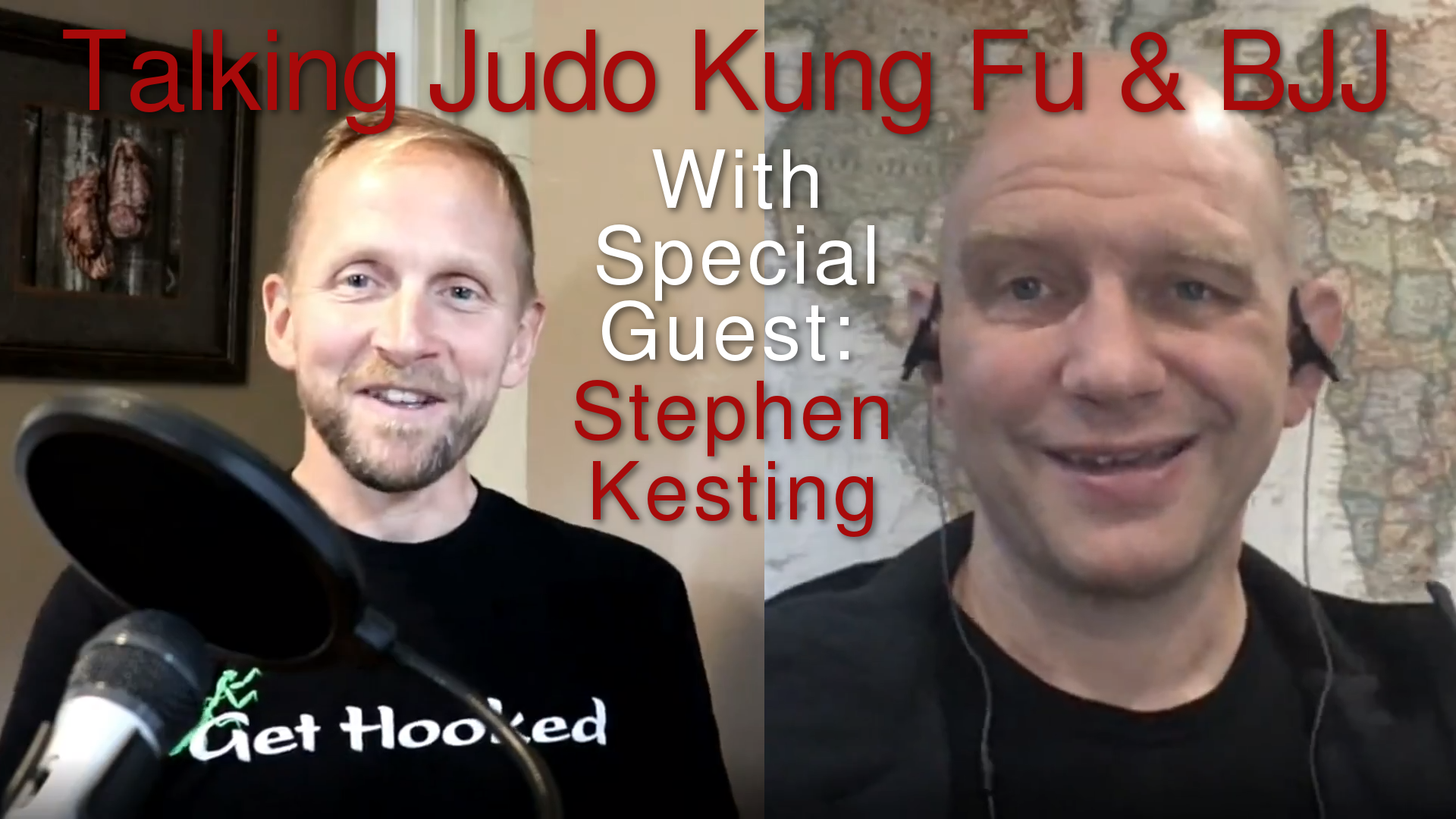
His Dark Roots - Interview with Stephen Kesting
For this podcast my friend and BJJ Black Belt Stephen Kesting stops by to chat about his background in Judo, Kung Fu, and his eventual shift to BJJ. We also discuss the current state of BJJ, where it is heading, and wrap up with…
For this podcast my friend and BJJ Black Belt Stephen Kesting stops by to chat about his background in Judo, Kung Fu, and his eventual shift to BJJ. We also discuss the current state of BJJ, where it is heading, and wrap up with some technical advice for beginners and where to focus your efforts in BJJ early on. A great conversation that I know you will enjoy.
Stephen started his website grapplearts.com back in 2003 to share his passion for BJJ and help others learn through systematic practice and easy to follow instruction.
If you like this podcast with Stephan and I, you can listen to his podcast when I was a guest on his channel:
You can find and follow Stephan @
GrappleArts - Stephan’s website
Instagram - Stephan on Instagram
Check out Stephan's latest book - Non-Stop Jiu-Jitsu

Pandora's Box of Podcasts - Martial Arts Psychology with Sensei Ando
Today's podcast is with my good friend and martial arts aficionado, Sensei Ando of SenseiAndo.com, and Happy Life Martial Arts. We may very well have opened Pandora's Box here with this discussion. In his first appearance on my podcast, Sensei Ando and I discuss…
Today's podcast is with my good friend and martial arts aficionado, Sensei Ando of SenseiAndo.com, and Happy Life Martial Arts. We may very well have opened Pandora's Box here with this discussion. In his first appearance on my podcast, Sensei Ando and I discuss a variety of topics from fitness in martial arts, training failures, martial arts psychology, dissecting frogs, serial killers, bad teachers and whatever other manner of odd conversation that happened to introduce itself to this conversation. As always though, a rich and enjoyable conversation with Ando and something I'm sure all of you will enjoy.
If you liked this podcast, you might like a few more collaborations Ando and I have done:
#58: Randy Brown Interview [Podcast]
Tips to Manage Distance in a Fight with Randy Brown
#82: Are Forms and Kata a Waste of Time in Martial Arts? [Video + Podcast]
Clinch Escapes for Self-Defense
Coach Holly from Mantis Boxing working Scissor Clips with Ando
For more good stuff from Sensei Ando:
Find him on YouTube -
https://www.youtube.com/channel/UCA-fjIPMlUThsqi4mX_tDNw
Find his website and podcast -
https://www.senseiando.com/fight-for-a-happy-life/--
Instagram -
Video Courses -

Guest Appearance: Fight Commentary Chats w/ Jerry Liu
I recently had the privilege to be invited on Jerry’s new podcast - Fight Commentary Chats. Some of you may have come across Jerry already in your YouTube travels…
I recently had the privilege to be invited on Jerry’s new podcast - Fight Commentary Chats. Some of you may have already come across Jerry in your YouTube travels, he and his peers host a now popular martial arts channel on YouTube known as Fight Commentary Breakdowns.
Jerry and I had an awesome chat about our backgrounds and experiences, Chinese martial arts, MMA, fake masters and the recent challenge matches disrupting the old guard in Chinese boxing styles and forcing change. Strap yourself in and get hooked on this lively, content filled dialogue that is sure to entertain.
Check out more of Jerry’s videos or join him on social media at the following sites/apps:

10 Principles of Success for Boxers
Understand the liability, pluses, and minuses of each position and movement.
Increase our level of skill through easy to understand diagnostics.
Turn our failures into success.
So often in the fighting arts, we lack…
So often in the fighting arts, we lack principles or framework to improve our skills through critical analysis. A few artists/fighters/boxers, mainly those willing to take some beatings, are able to improve their skills, while others are left feeling like they just don’t have what it takes.
When we take our training to the sparring phase, whether on the mat, in the ring, cage, or a backyard, if we find that we are not getting better, that we are simply not improving as fast as we’d like, this manual and the tools enclosed, can make all the difference. Enjoy.
Understand the liabilities and gains, advantages and disadvantages, and the compromise of each position and movement in combat.
Increase your level of skill through easy to understand diagnostics that help you to improve and implement immediate corrective action.
Turn your failures into success.

James ‘Jocko’ Sutton’s gloves - 3x Golden Glove Champion
photos by Max Kotchouro

5 Tips to Setup Your Home for Martial Arts Training
Here are 5 tips to help you with setting up, and training martial arts (boxing, Brazilian jiu-jitsu, wrestling, judo, etc.) at home. Today I'll go over good training practices to make sure you stay with your training, ideal locations and how to adapt to what type of space you live in, types of heavy bags and how to size them, throwing dummies, grappling dummies, and type of mats you want to look for if you do any ground work/takedowns/grappling or wrestling.
Here are 5 tips to help you with setting up, and training martial arts (boxing, Brazilian jiu-jitsu, wrestling, judo, etc.) at home. Today I'll go over good training practices to make sure you stay with your training, ideal locations and how to adapt to what type of space you live in, types of heavy bags and how to size them, throwing dummies, grappling dummies, and type of mats you want to look for if you do any ground work/takedowns/grappling or wrestling.
My favored training products:
►Mats -
Training Mat - (best mats hands down) - https://amzn.to/3eKfrqM
Crash Mat (I use this. Highly recommend) - https://amzn.to/2U5jk1J
►Gloves RevGear
Challenger MMA 4oz Gloves - https://amzn.to/2YN06Ri
►Heavy Bags/Hangers
Heavy Bag - 4' (for shorter spaces) - https://amzn.to/371uIRt
Heavy Bag - 6' (for longer spaces) - https://amzn.to/301Duxt
Heavy Bag Hanger 1 (wood beam - I use these) - https://amzn.to/2zVolTF
Heavy Bag Hanger 2 (wall mount) - https://amzn.to/2U1s1Kf
►Timer
Round Timer - https://amzn.to/3dt75n7
►Grappling Dummies
Budget Canvas - https://amzn.to/2XGr7UX
My personal recomendation - I use this one
►Pads/Shields
Punching Pads (these are the best I've used) - https://amzn.to/2zNi4tn
Kick Shields (have not used this brand but fair price) - https://amzn.to/2MqJKqm
►Ropes
Jump Rope (the one I use) - https://amzn.to/2MmYGWq

What is Active Recovery? w/ Dr. Kate Kelly - Training Tips, Injuries, Training for Women, Aging/Adapting
Today I had the distinct pleasure of interviewing Dr. Kate Kelly of Active Recovery Boston [ https://www.activerecoveryboston.com/ ]. Dr. Kelly has helped me work through a myriad of injuries over the past 10+ years. She is one of my first stops whenever I have something getting in the way of my training.
We had a great discussion on…
Today I had the distinct pleasure of interviewing Dr. Kate Kelly of Active Recovery Boston [ https://www.activerecoveryboston.com/ ]. Dr. Kelly has helped me work through a myriad of injuries over the past 10+ years. She is one of my first stops whenever I have something getting in the way of my training.
We had a great discussion on ‘What active recovery means', and how it can interplay with injury prevention and recovery; strategies to apply it, and why it is important to athletes and non-athletes alike. We also delve into the differences in training for women and men, and the affects of ageing on athletes and how we can keep training smart well into our twilight years. Join us for this excellent conversation.
Active recovery activities include - walking, swimming, tai chi, qi gong, yoga, stretching, and more.
Qi Gong
Check out our new Qi Gong course here for an excellent active recovery training program that I have used for years.

Scholar Warrior Interview - Dr. Peter Lorge
Delve into the history of Chinese boxing, famous generals, Brazilian jiu-jitsu, UFC leg locks, gunpowder, internal vs. externals, and all things martial arts, as I interview Dr. Peter Lorge, author of Chinese Martial Arts from Antiquity to the Twenty-First Century.
Delve into the history of Chinese boxing, famous generals, Brazilian jiu-jitsu, UFC leg locks, gunpowder, and all things martial arts, as I interview Dr. Peter Lorge, author of Chinese Martial Arts from Antiquity to the Twenty-First Century.
Part 2 - A continuation of our discussion on General Qi Ji Guang, Sun-Tzu, Brazilian jiu-jitsu, teaching methods, and...INTERNAL vs EXTERNAL nonsense!

Using Chess to Solve Martial Arts Problems
Latest podcast on tackling and solving difficult problems we have in martial arts forms/kata/tao lu. Check out these tips I used to improve, that are found in Chess.
Latest podcast on tackling and solving difficult problems we have in martial arts forms/kata/tao lu. Check out these tips I used to improve, that are found in Chess.

"How Long Does It Take To Be A Black Belt?"
Let’s answer this common question in martial arts with some good ole fashion math!
Let’s answer this common question in martial arts with some good ole fashion math!

How to Defeat the BJJ Guard in 4 Easy Steps
End the frustration!
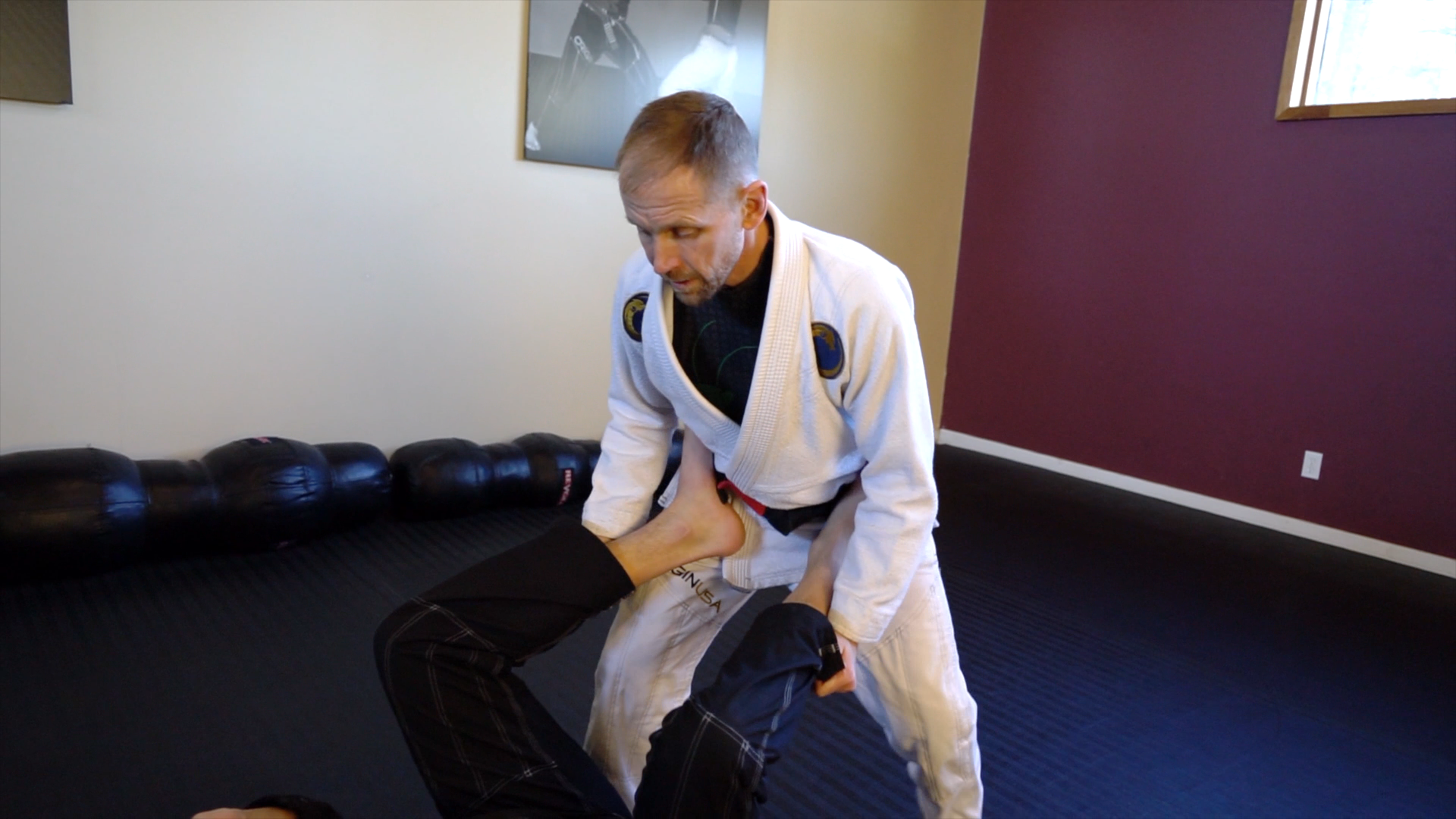
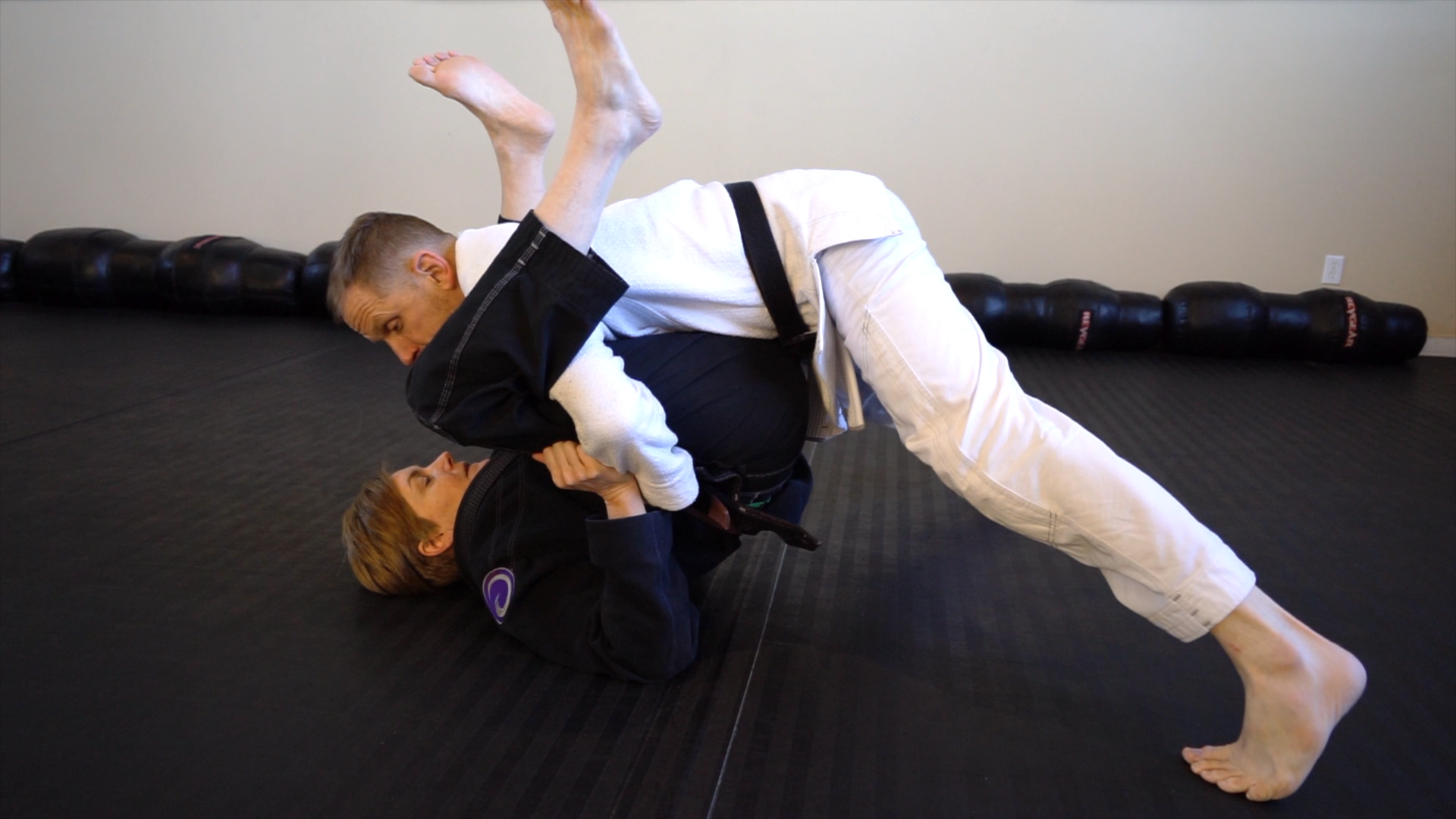
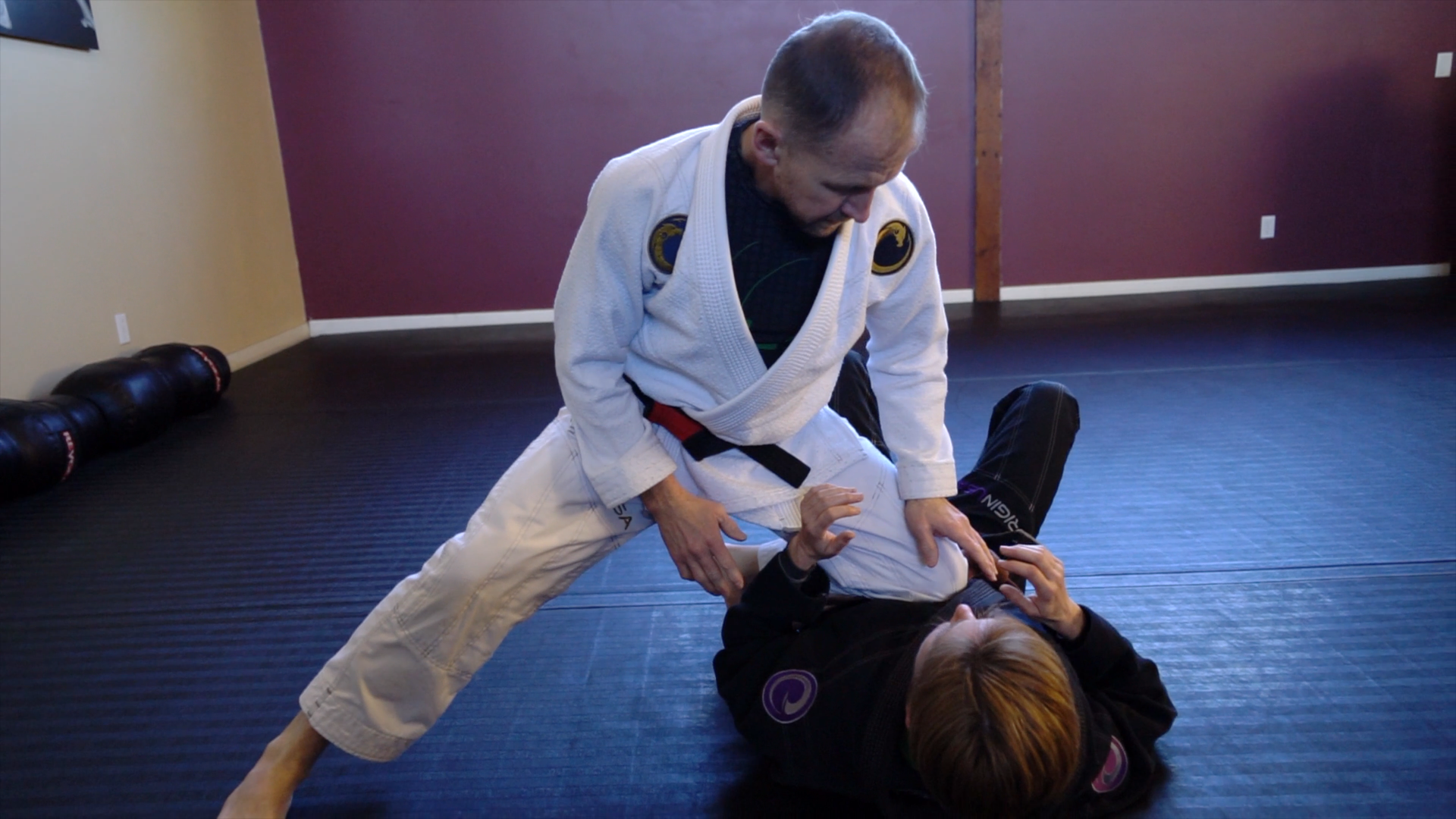
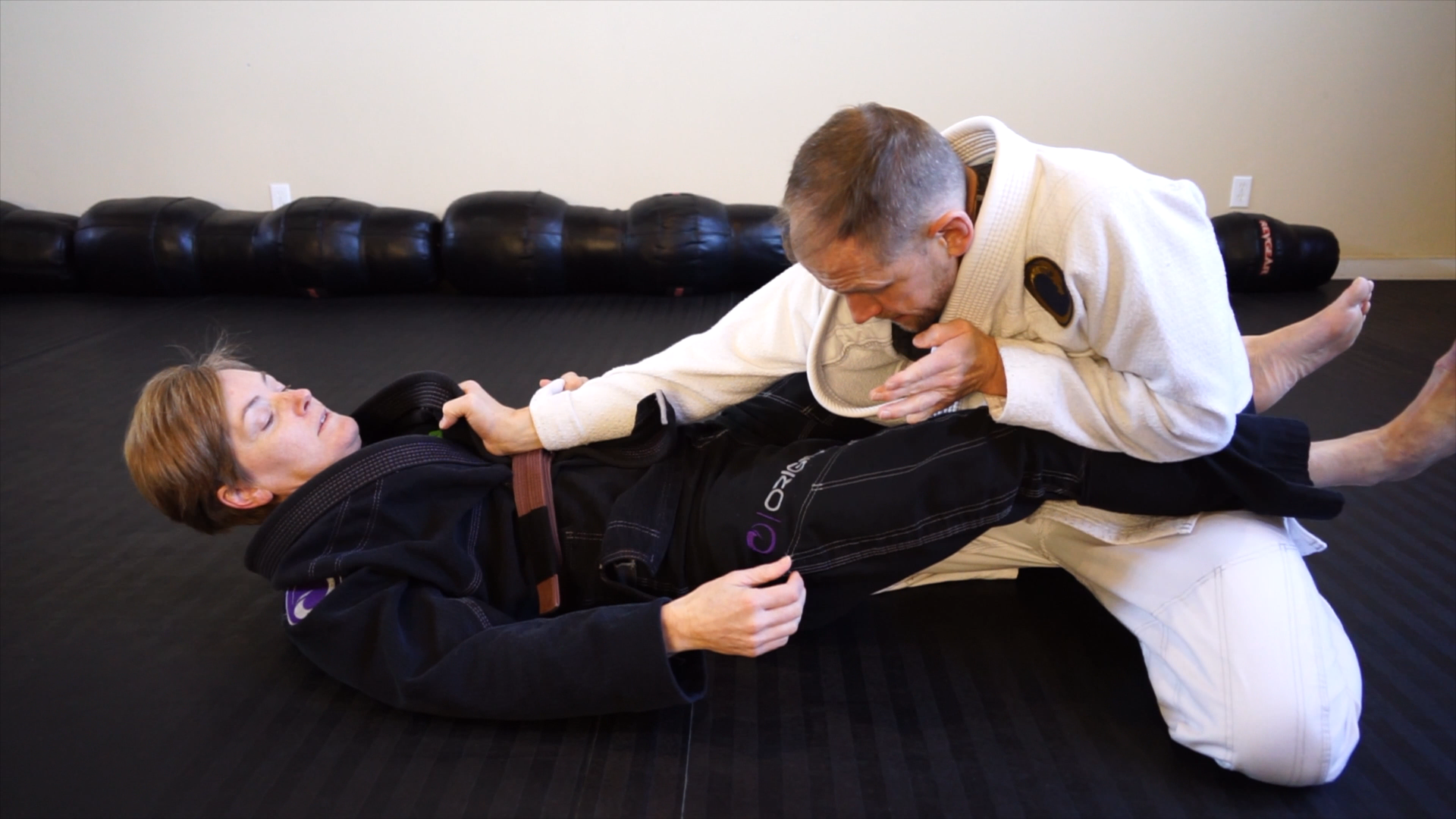
Have you ever wanted to try one of the amazing submissions or sweeps from Brazilian jiu-jitsu and instead, spent the entire class stuck in guard? Do you find it impossible to pass guard because you cannot even break the guard in the first place? Do you routinely break guard on people your own size, only to be shutdown and back to square one against a larger opponent?
The BJJ Guard is a Nightmare to Deal With.
End the frustration! Pass Guard. Dominate. Submit.
Have you ever wanted to try one of the amazing submissions or sweeps from Brazilian jiu-jitsu and instead, spent the entire class stuck in guard? Do you find it impossible to pass guard because you cannot even break the guard in the first place? Do you routinely break guard on people your own size, only to be shutdown and back to square one against a larger opponent?

I’ve been in your shoes.
I’m Randy Brown and I’m a black belt in Brazilian jiu-jitsu. I’ve been teaching martial arts for almost 20 years. My primary art, mantis boxing, did not have a ground game so I undertook the mission of getting to know the ground fighting game to the best of my abilities, but I started this much later than my other training. This helped me to approach BJJ with a methodical mindset. Always looking for more efficient and effective ways to train, teach, and execute the skills I use, and share with my students.
In this course I will dissect the BJJ guard problem into 4 easy to learn steps to help you master this part of your ground skillset and break and pass your opponents guard so you can focus on the exciting aspects of sweeps and submissions. Match the correct breaking method to the right size opponent. Learn how to keep them from pulling you back into guard as you ready for the pass and win that dominant position.
Don’t Take My Word For It…
Here is testimony direct from high-level, professional martial artists on the effectiveness of my course:
“This course is an incredible time-saver for beginners and a solid tune-up for everyone else. There's no fluff in here-- just the info you need to start breaking and passing guard effectively. If you can't take a private lesson with Sifu Randy in-person, then take this course--it's a no-brainer. Recommended!” - Ando Mierzwa - Black Belt from multiple styles, and BJJ Brown Belt
“A brief, yet deep dive into the vital middle ground of newaza. Recommended.” - Roy Dean - 3rd degree BJJ Black Belt
Put a method to the madness and start today!
This video includes:
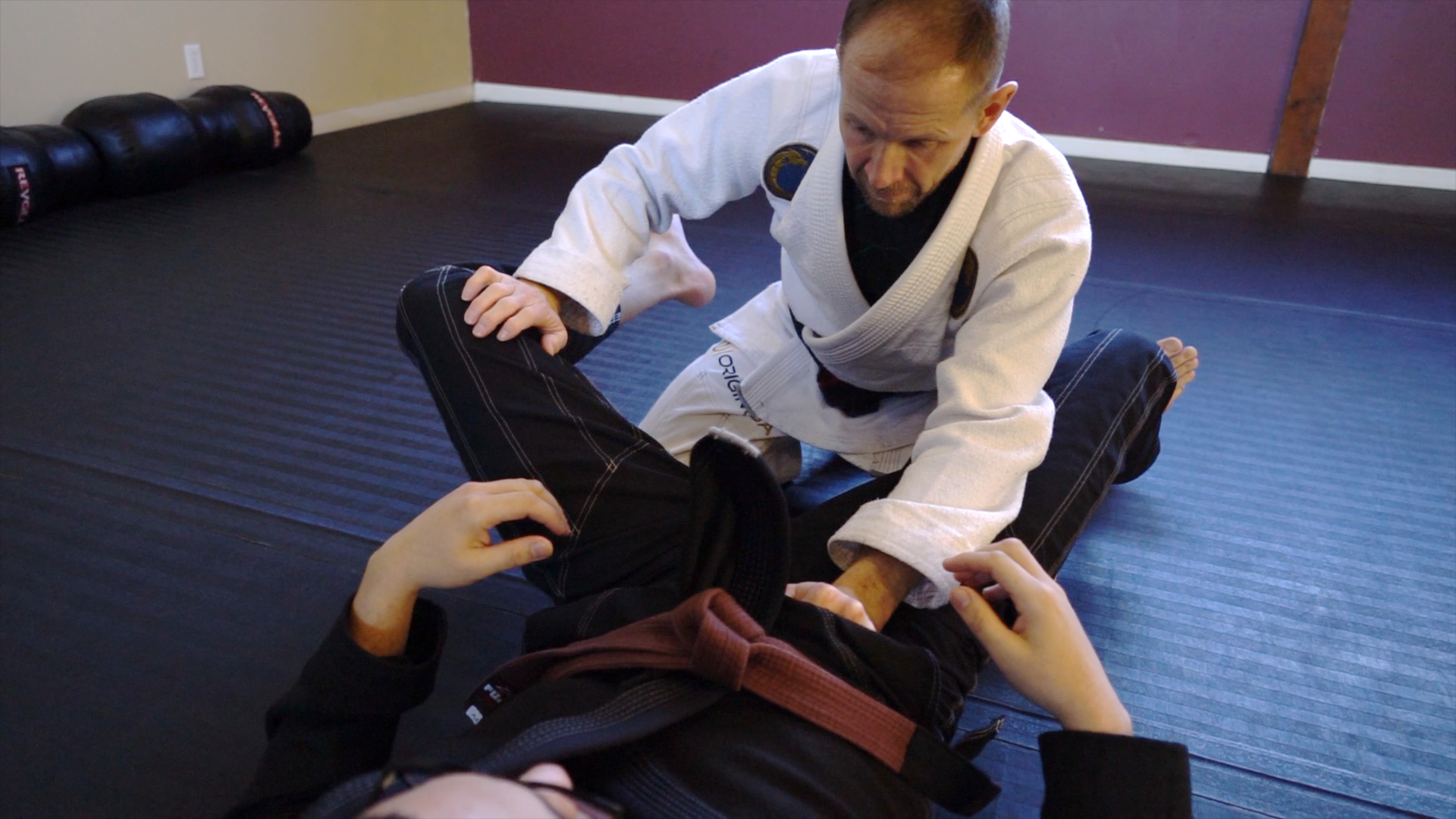
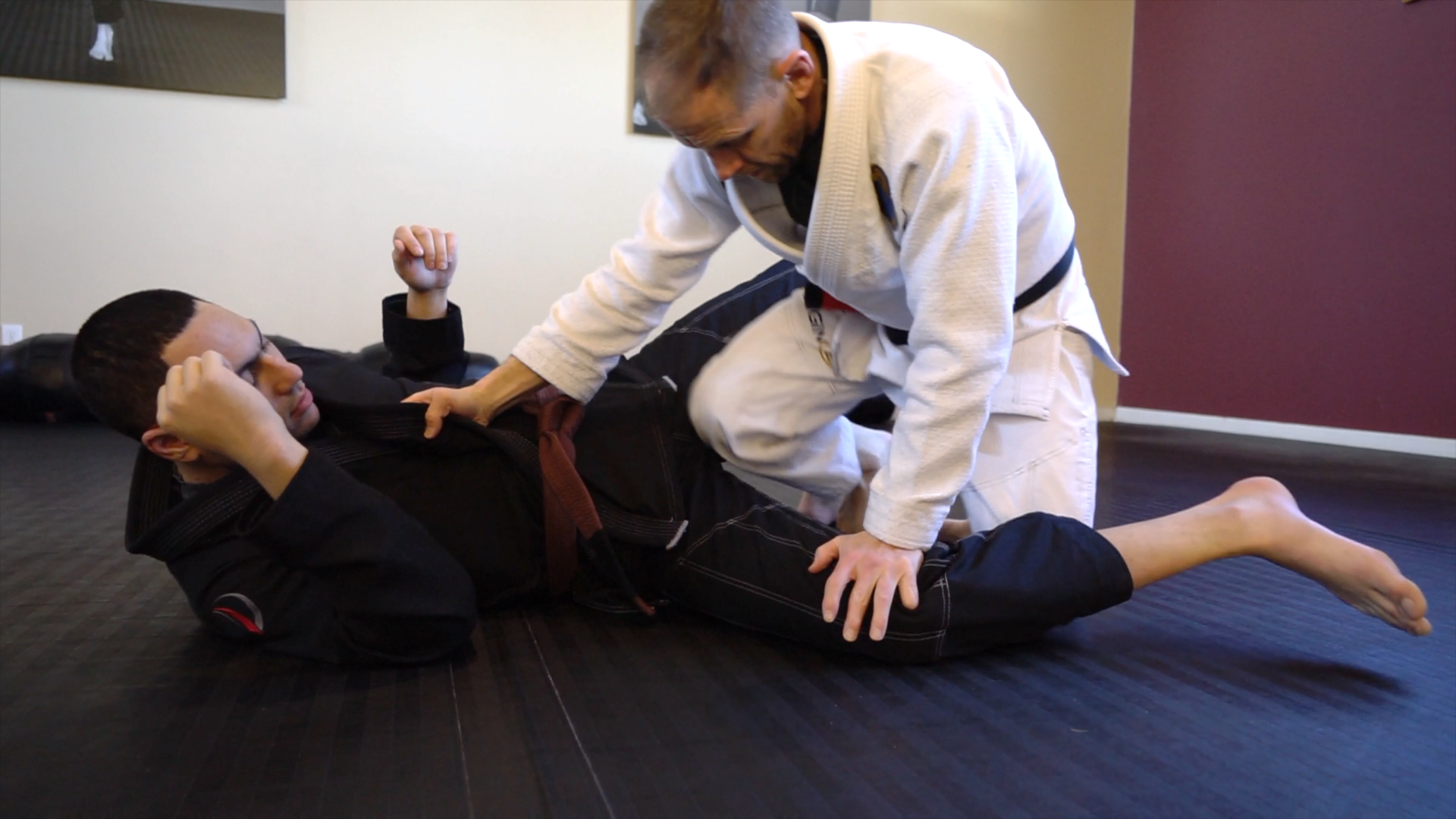
A 32-minute detailed video instruction on how to simplify the break and pass of the guard in 4 easy to follow steps.
Includes managing the guard. Grip-fighting. Gi vs No-Gi. Breaking methods for smaller vs. taller. A variety of standing and ground passes that will stay with you throughout your jiu-jitsu journey.
*course included with Legacy Boxer and Supreme Ultimate Boxer memberships

Guest Appearance: Are Forms/Kata a Waste of Time in Martial Arts? w/ Sensei Ando
I had the great pleasure of returning once more as a guest on Sensei Ando’s channel Happy Life Martial Arts. We had an amazing, and thought provoking discussion on martial arts forms training, solo training, and more. We even threw some virtual punches, and a shadow Heimlich maneuver was almost necessary. Check out the video for a great podcast.
Guest Appearance: - Episode #82
with Sensei Ando of Happy Life Martial Arts
I had the great pleasure of returning once more as a guest on my friend Sensei Ando’s channel Happy Life Martial Arts. We had an amazing, and thought provoking discussion on martial arts forms training, solo training, and more. We even threw some virtual punches, and a shadow boxing Heimlich maneuver was almost necessary. Check out the video for a great podcast.
I highly recommend following him on his YouTube channel, as well as his podcast. Even though he is famous enough now with over 249,000 subscribers, a few more can’t hurt!
You find more of Sensei Ando here:
Sensei Ando
Sensei Ando YouTube Channel

Our Brain on Solo Training
How our brain and body benefit from solo training in martial arts. But there are pitfalls too.
How our brain and body benefit from solo training in martial arts. But there are pitfalls too.

How to Train Martial Arts on Your Own
These times require us to innovate and adapt to the changes in our lives, routines, and day to day activities. For weeks many of us have been without a class to attend. The good news? We can still train martial arts without a class or partners, and continue to develop our skills and improve.
What does it take to make this happen? You can watch this video I made this week telling a story on why I had to learn to train myself in martial arts, or you can skip below and jump to the bullet points so you don’t have to wait any longer to train.
Either way, rest assured
These times require us to innovate and adapt to the changes in our lives, routines, and day to day activities. For weeks many of us have been without a class to attend. The good news? We can still train martial arts without a class or partners, and continue to develop our skills and improve.
What does it take to make this happen? You can watch this video I made this week telling a story on why I had to learn to train myself in martial arts, or you can skip below and jump to the bullet points so you don’t have to wait any longer to train.
Either way, rest assured whether you are the student, or your a parent of a child that trains a martial arts, I am here to help you navigate this process and I have plenty of experience with self-training to be able to give you advice. Keep training!
Randy
[special section for parents further down]
How to Train Martial Arts on Your Own
Routine
To be successful with training martial arts on your own, you MUST have a routine. This is the most important aspect of self-training, and even group class training. It is too easy to say “I’ll do it tomorrow.” Tomorrow turns into next week, and then next month. Set a schedule for your training times at times during the week you know you can adhere to.Agency
This block of time is yours, and it must have agency. It is not something that we allow to be swayed or taken away by trivial distractions [such as a binge watching session on Netflix]. We treat these blocks of time as sacred, and do not allow ourselves or others to sideswipe them. If we do, we will do it again and again and never train. So treat your own class, just like a scheduled group class at your gym, school, dojo.Place to Go
Try to find a place outside, in a garage, barn, basement, or a separate room in your house/apartment if you have one to spare, that can be used for your training. During these time blocks, this is your dojo/place of training. Other people are not in here unless they are training with you, and others know to leave you be during your session.Frequency
This is up to you, but it should be consistent from week to week. Try to start out with something similar to what you were doing at group classes. If you were training 2 hours per week, then try to set up two 1-hour blocks each week, or four 30-minute sessions instead. If you trained more than that, then add more slots in. If you trained more than one discipline, like my students who train mantis boxing and jiu-jitsu, then have separate blocks of time to focus on each. Again, consistency, agency, private space are all a priority, but this step is important to establish from the beginning as it helps reinforce ‘routine’.Plan of Attack
This is a critical stage and just as important as any of those above. We have to know what we are going to train. This is probably one of the largest failures we have going to a big box gym - “what do I do next” If I can find it, I’ll add a picture to this article later showing you some of my routines/schedules I built for myself years ago when I had no choice but to train alone. Have a log, notebook, where you set aside what you specifically are going to do for each session. Update it weekly.Family Unit
If you are at home with others during this time, have them join you and if they have no experience, you teach them. Teaching others is one of the best ways we get better. We learn what we know and do not know (do not worry, you do not have to have all the answers or know everything to show someone newer than you). This is such a powerful tool, you will be surprised how much it can help. If you are trying to train your kids - focus less on ‘teaching’ them, and more on doing. If they see you enjoying yourself and having fun, they will follow along. Forcing them is counter-productive. See below for more parent tips.Wear your Uniform
This may seem like an odd one at first glance, however, this has more significance than you may guess. The act of putting on our uniform, commits us mentally to the act of training. This is part of the discipline that you exhibit week after week showing up for class. Continuing this ritual on our own puts us in the same mindset and lets us not only commit to training, but keeps us on the rails as we stick to our planned training time. With that said, do not wear your uniform all the time. The act of putting it on, and taking it off when done, keeps that box cordoned off in our mind. We know when we wear it, that this is a sacred time that we need to respect for ourselves.
Parents
See everything above before reading this. Those items are still relevant and will help you in setting up a plan of action for your child.
Routine
I know I mentioned it above, but I can’t repeat this enough. No video games, movies, toys, etc can get in the way of ‘time to train’. These are hard and fast blocks and they should know they have to go to a certain place to train. Consistency is key, so if you are able to set the same time block aside for each day of training, this will be a big help to you in getting them to train. If it is arbitrary or day to day, it is difficult for any of us to become mentally engaged off the cuff.Videos
Use video training [preferably from their school/style] as ways to promote interest and learning. This can be part of the training block i.e., 15 minutes of watching lessons, and 30 minutes of training. As the parent, you may not know what they are working on in class, or where to focus, but asking for help from their teacher, can help you build a lesson plan for them. In some cases, the video may be useful throughout the entire session so it is good to have access to a screen so they can rewind or pause as needed (as long as it is not a game they switch too).
How Long Does My Child Train?
This is based entirely on age. The younger they are, the less time you should expect. A 10 to 12 year old might be good for an hour of training 3 or 4 times per week and have the discipline to stay engaged. A 5 year old however may only work in 15 to 20 minute blocks and need more frequency such as 6 to 8 blocks per week.
Ask for Help
If you need ideas, or direction, ask their instructor to help guide you, or provide a lesson plan for each week so it eases the process and all you have to worry about is the tips we mentioned in the beginning.Older Teaches Younger?
If you have siblings that all train together, this common purpose creates a strong bond where they can help one another get better. If you do not train yourself, it is important to sit back and allow them to teach one another. At times the eldest child will guide and teach, but the younger child may know something they do not, so it is important this is not authoritarian by the older sibling. Keep in mind the parent can become the inhibiting factor in these training session rather than a positive influence. Our job is to make sure they do not hurt one another, or get out of control, but otherwise we keep quiet and give them the autonomy to teach/train together. If they are mature and show positive results with this, then you can run test sessions where they are allowed to spar/roll with one another for short rounds of 3 minutes at a time.
Good luck!
I’ll add more tips as I think of them, but hopefully this is enough to get you started.

Are Head Hits in Boxing/MMA Good or Bad? The Truth...
Is getting hit in the head bad for us when we train in martial arts such as boxing, MMA, kickboxing, karate, muay thai, etc.??? Here is how I see it, and what I did to my students to make them train smarter. Being educated on the truth can keep us training safe for years to come.
Is getting hit in the head bad for us when we train in martial arts such as boxing, MMA, kickboxing, karate, muay thai, etc.??? Here is how I see it, and what I did to my students to make them train smarter. Being educated on the truth can keep us training safe for years to come.

Countering the Hip Toss
Ever been mistaken for a sack of potatoes? Do you dislike being dislodged from the earth you stand on, turned upside down and dropped on your head or back? Here’s a little tip to counter that nasty hip toss throw your opponent might try out of mistaken identity, or something more nefarious.
Ever been mistaken for a sack of potatoes? Do you dislike being dislodged from the earth you stand on, turned upside down and dropped on your head or back? Here’s a little tip to counter that nasty hip toss throw your opponent might try out of mistaken identity, or something more nefarious.
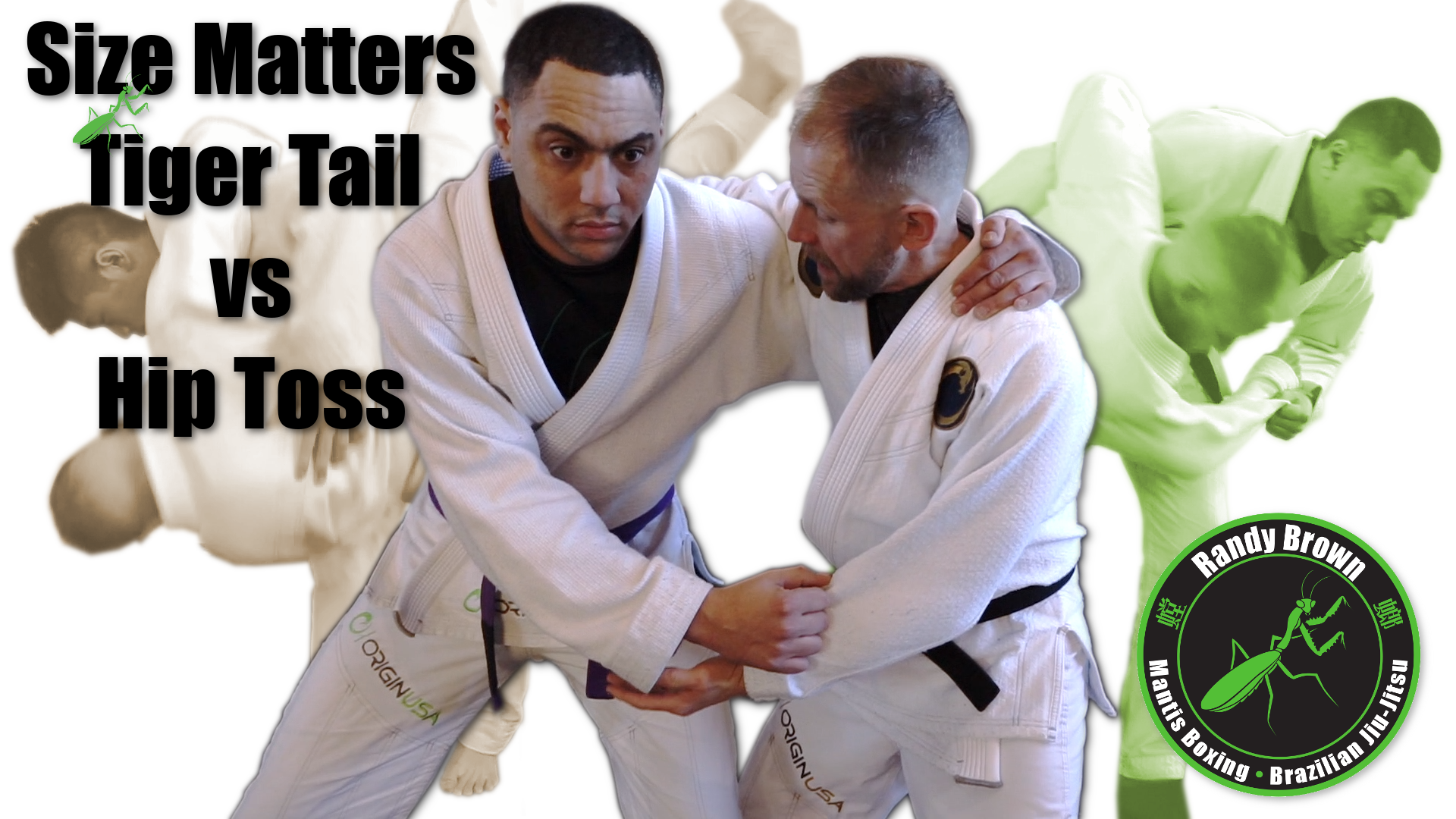
Size Matters - Tiger Tail vs Hip Toss Throw
The hip toss, and its variations such as 'overturn the sack', and 'old man carries fish', are awesome and devastating throws. However, there are complications for these throws when applied outside of competitions where weight classes keep opponents generally closer in size to one another. Depending on your size, the hand position, and the choice between using the tiger tail throw instead of hip toss can mean all the difference in success rather than failure.
The hip toss, and its variations such as 'overturn the sack', and 'old man carries fish', are awesome and devastating throws. However, there are complications for these throws when applied outside of competitions where weight classes keep opponents generally closer in size to one another. Depending on your size, the hand position, and the choice between using the tiger tail throw instead of hip toss can mean all the difference in success rather than failure.
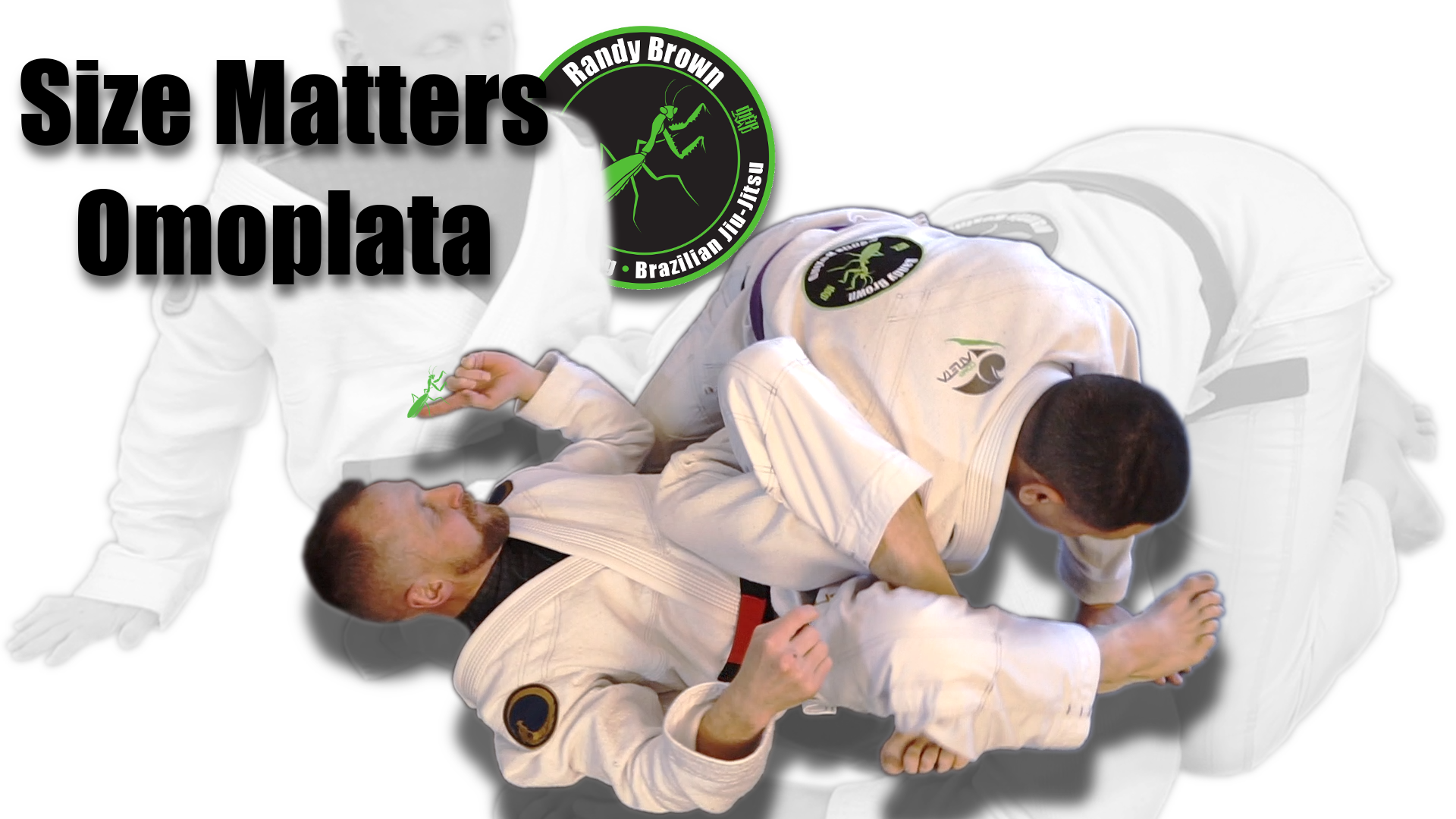
Size Matters in BJJ!!! - The Omaplata Submission
Here are a few tips if you are a smaller grappler trying to submit larger opponents with the omoplata submission from Brazilian jiu-jitsu. This can drastically alter our success rate for finishing, rather than struggling to combat height, strength, and counters.
Here are a few tips if you are a smaller grappler trying to submit larger opponents with the omoplata submission from Brazilian jiu-jitsu. This can drastically alter our success rate for finishing, rather than struggling to combat height, strength, and counters.