
5 Tips to Setup Your Home for Martial Arts Training
Here are 5 tips to help you with setting up, and training martial arts (boxing, Brazilian jiu-jitsu, wrestling, judo, etc.) at home. Today I'll go over good training practices to make sure you stay with your training, ideal locations and how to adapt to what type of space you live in, types of heavy bags and how to size them, throwing dummies, grappling dummies, and type of mats you want to look for if you do any ground work/takedowns/grappling or wrestling.
Here are 5 tips to help you with setting up, and training martial arts (boxing, Brazilian jiu-jitsu, wrestling, judo, etc.) at home. Today I'll go over good training practices to make sure you stay with your training, ideal locations and how to adapt to what type of space you live in, types of heavy bags and how to size them, throwing dummies, grappling dummies, and type of mats you want to look for if you do any ground work/takedowns/grappling or wrestling.
My favored training products:
►Mats -
Training Mat - (best mats hands down) - https://amzn.to/3eKfrqM
Crash Mat (I use this. Highly recommend) - https://amzn.to/2U5jk1J
►Gloves RevGear
Challenger MMA 4oz Gloves - https://amzn.to/2YN06Ri
►Heavy Bags/Hangers
Heavy Bag - 4' (for shorter spaces) - https://amzn.to/371uIRt
Heavy Bag - 6' (for longer spaces) - https://amzn.to/301Duxt
Heavy Bag Hanger 1 (wood beam - I use these) - https://amzn.to/2zVolTF
Heavy Bag Hanger 2 (wall mount) - https://amzn.to/2U1s1Kf
►Timer
Round Timer - https://amzn.to/3dt75n7
►Grappling Dummies
Budget Canvas - https://amzn.to/2XGr7UX
My personal recomendation - I use this one
►Pads/Shields
Punching Pads (these are the best I've used) - https://amzn.to/2zNi4tn
Kick Shields (have not used this brand but fair price) - https://amzn.to/2MqJKqm
►Ropes
Jump Rope (the one I use) - https://amzn.to/2MmYGWq

What is Active Recovery? w/ Dr. Kate Kelly - Training Tips, Injuries, Training for Women, Aging/Adapting
Today I had the distinct pleasure of interviewing Dr. Kate Kelly of Active Recovery Boston [ https://www.activerecoveryboston.com/ ]. Dr. Kelly has helped me work through a myriad of injuries over the past 10+ years. She is one of my first stops whenever I have something getting in the way of my training.
We had a great discussion on…
Today I had the distinct pleasure of interviewing Dr. Kate Kelly of Active Recovery Boston [ https://www.activerecoveryboston.com/ ]. Dr. Kelly has helped me work through a myriad of injuries over the past 10+ years. She is one of my first stops whenever I have something getting in the way of my training.
We had a great discussion on ‘What active recovery means', and how it can interplay with injury prevention and recovery; strategies to apply it, and why it is important to athletes and non-athletes alike. We also delve into the differences in training for women and men, and the affects of ageing on athletes and how we can keep training smart well into our twilight years. Join us for this excellent conversation.
Active recovery activities include - walking, swimming, tai chi, qi gong, yoga, stretching, and more.
Qi Gong
Check out our new Qi Gong course here for an excellent active recovery training program that I have used for years.

Scholar Warrior Interview - Dr. Peter Lorge
Delve into the history of Chinese boxing, famous generals, Brazilian jiu-jitsu, UFC leg locks, gunpowder, internal vs. externals, and all things martial arts, as I interview Dr. Peter Lorge, author of Chinese Martial Arts from Antiquity to the Twenty-First Century.
Delve into the history of Chinese boxing, famous generals, Brazilian jiu-jitsu, UFC leg locks, gunpowder, and all things martial arts, as I interview Dr. Peter Lorge, author of Chinese Martial Arts from Antiquity to the Twenty-First Century.
Part 2 - A continuation of our discussion on General Qi Ji Guang, Sun-Tzu, Brazilian jiu-jitsu, teaching methods, and...INTERNAL vs EXTERNAL nonsense!

Using Chess to Solve Martial Arts Problems
Latest podcast on tackling and solving difficult problems we have in martial arts forms/kata/tao lu. Check out these tips I used to improve, that are found in Chess.
Latest podcast on tackling and solving difficult problems we have in martial arts forms/kata/tao lu. Check out these tips I used to improve, that are found in Chess.

"How Long Does It Take To Be A Black Belt?"
Let’s answer this common question in martial arts with some good ole fashion math!
Let’s answer this common question in martial arts with some good ole fashion math!

How to Defeat the BJJ Guard in 4 Easy Steps
End the frustration!
Have you ever wanted to try one of the amazing submissions or sweeps from Brazilian jiu-jitsu and instead, spent the entire class stuck in guard? Do you find it impossible to pass guard because you cannot even break the guard in the first place? Do you routinely break guard on people your own size, only to be shutdown and back to square one against a larger opponent?
The BJJ Guard is a Nightmare to Deal With.
End the frustration! Pass Guard. Dominate. Submit.
Have you ever wanted to try one of the amazing submissions or sweeps from Brazilian jiu-jitsu and instead, spent the entire class stuck in guard? Do you find it impossible to pass guard because you cannot even break the guard in the first place? Do you routinely break guard on people your own size, only to be shutdown and back to square one against a larger opponent?

I’ve been in your shoes.
I’m Randy Brown and I’m a black belt in Brazilian jiu-jitsu. I’ve been teaching martial arts for almost 20 years. My primary art, mantis boxing, did not have a ground game so I undertook the mission of getting to know the ground fighting game to the best of my abilities, but I started this much later than my other training. This helped me to approach BJJ with a methodical mindset. Always looking for more efficient and effective ways to train, teach, and execute the skills I use, and share with my students.
In this course I will dissect the BJJ guard problem into 4 easy to learn steps to help you master this part of your ground skillset and break and pass your opponents guard so you can focus on the exciting aspects of sweeps and submissions. Match the correct breaking method to the right size opponent. Learn how to keep them from pulling you back into guard as you ready for the pass and win that dominant position.
Don’t Take My Word For It…
Here is testimony direct from high-level, professional martial artists on the effectiveness of my course:
“This course is an incredible time-saver for beginners and a solid tune-up for everyone else. There's no fluff in here-- just the info you need to start breaking and passing guard effectively. If you can't take a private lesson with Sifu Randy in-person, then take this course--it's a no-brainer. Recommended!” - Ando Mierzwa - Black Belt from multiple styles, and BJJ Brown Belt
“A brief, yet deep dive into the vital middle ground of newaza. Recommended.” - Roy Dean - 3rd degree BJJ Black Belt
Put a method to the madness and start today!
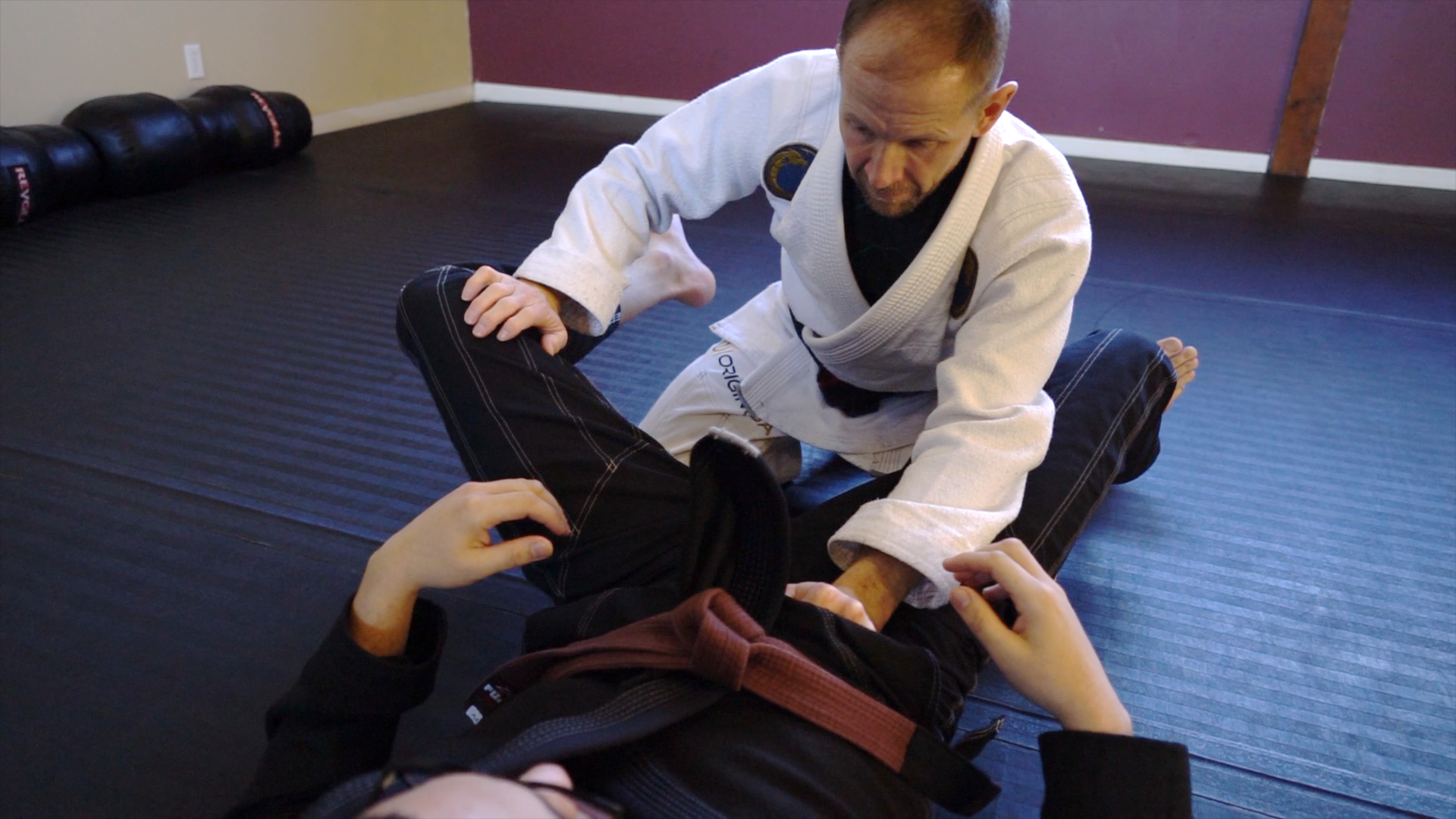
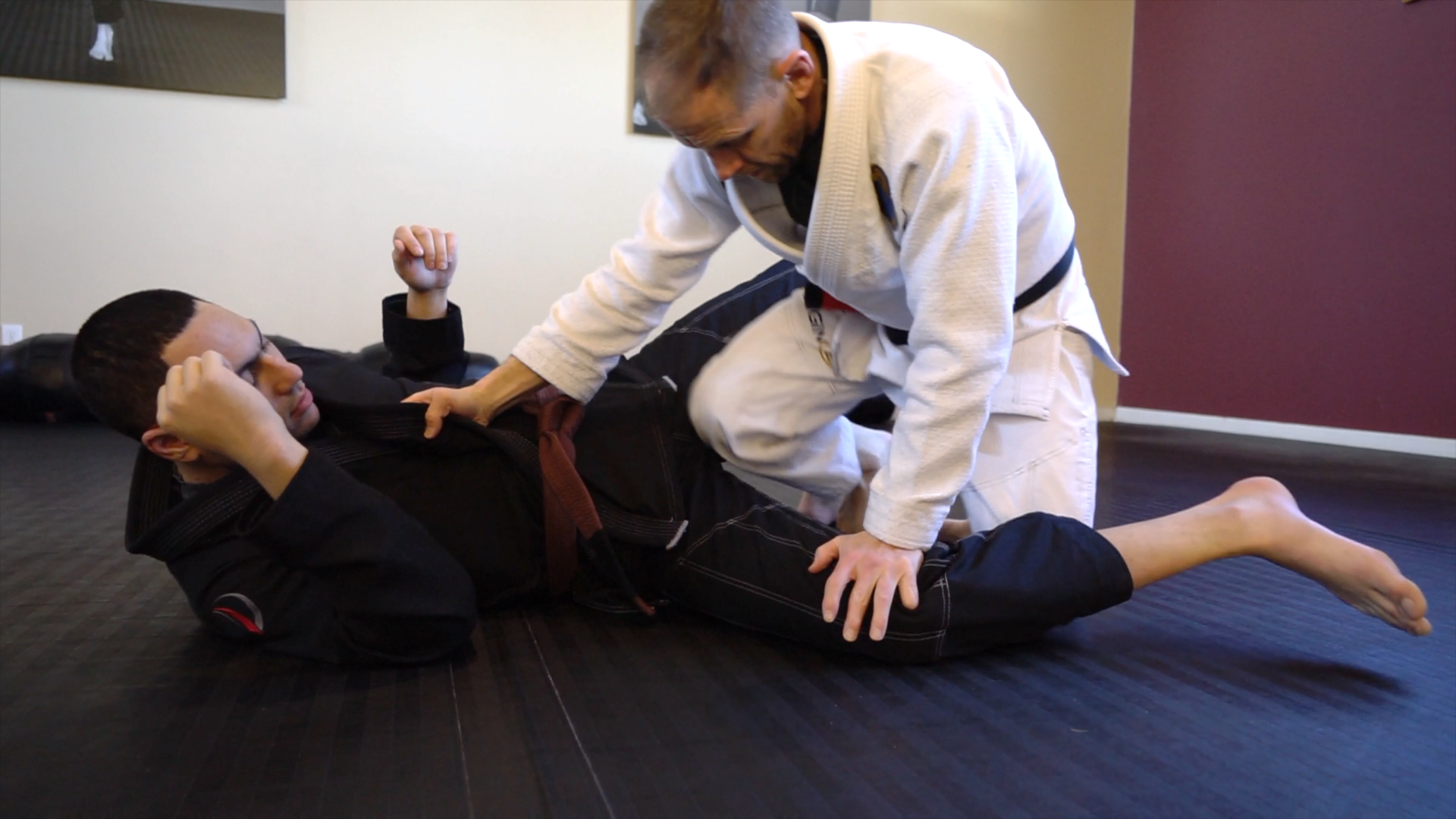
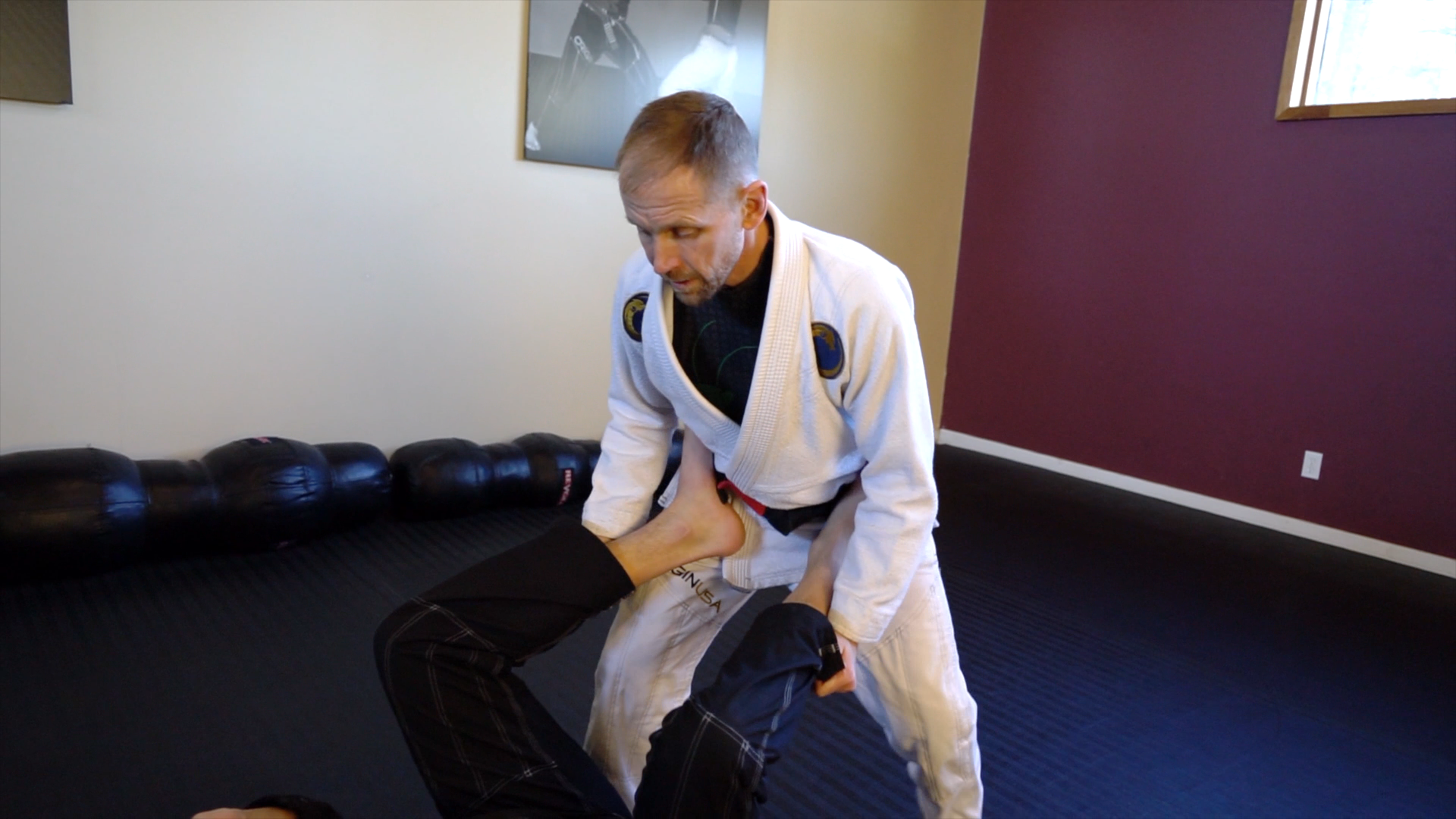
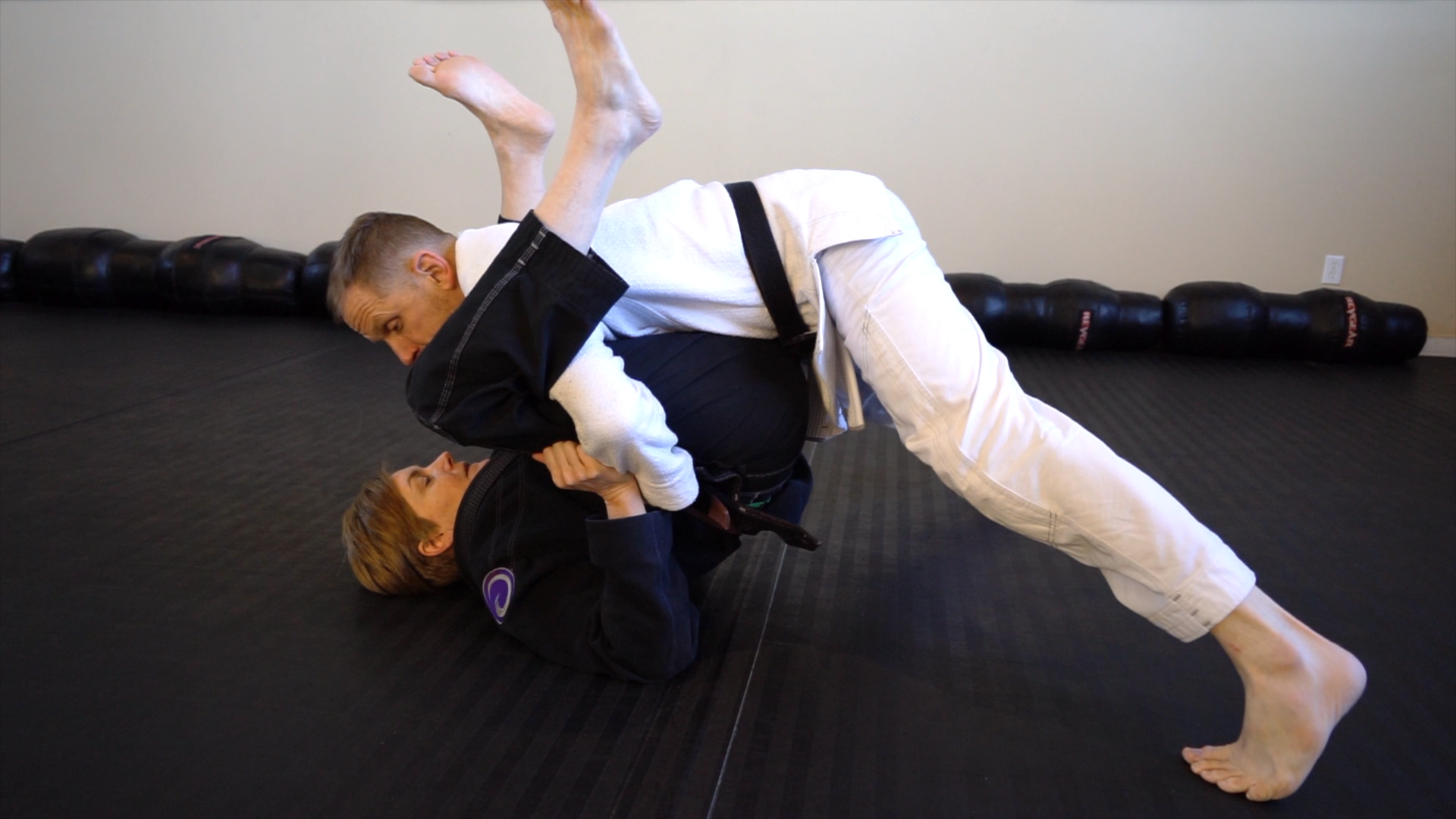
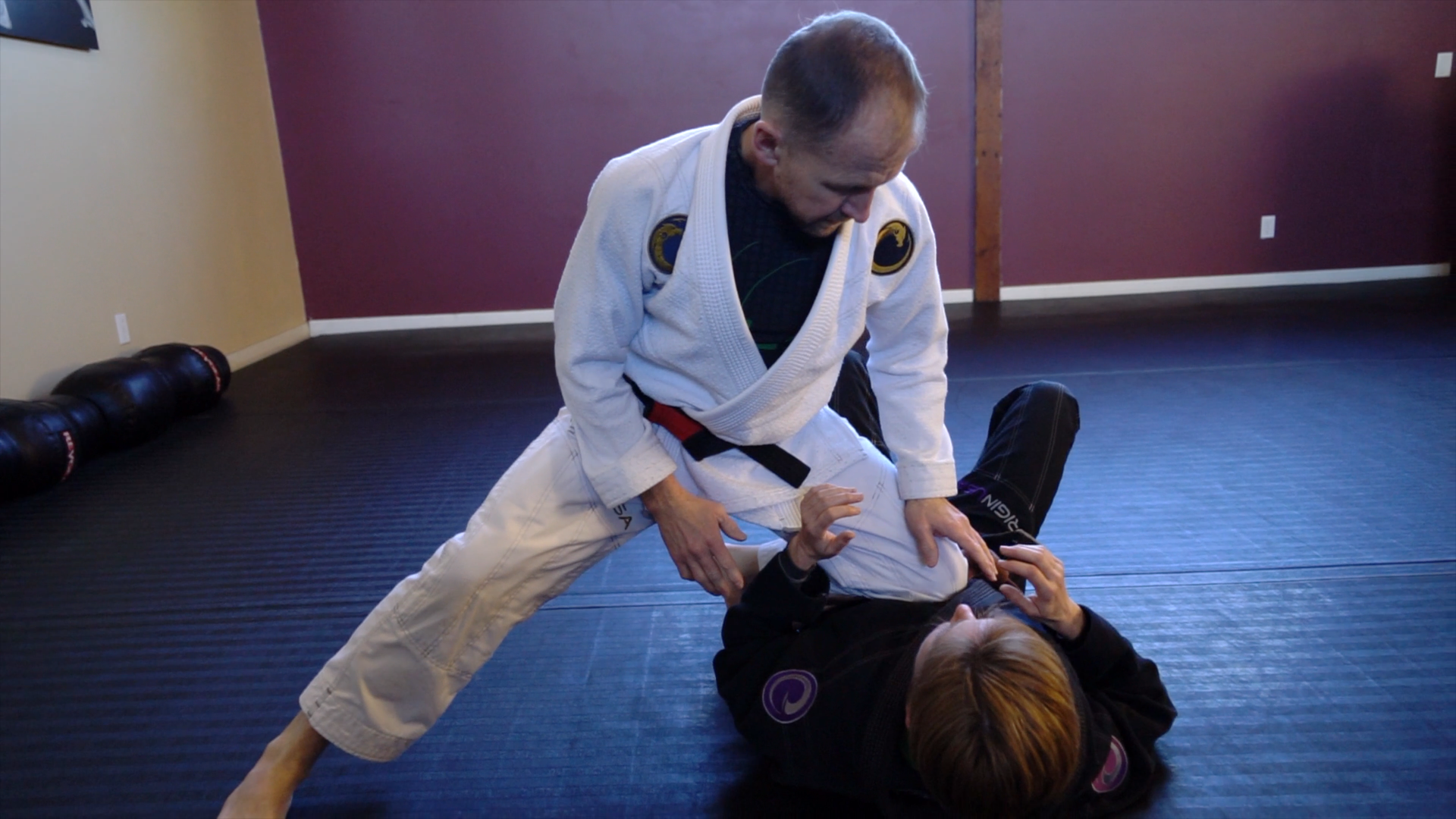
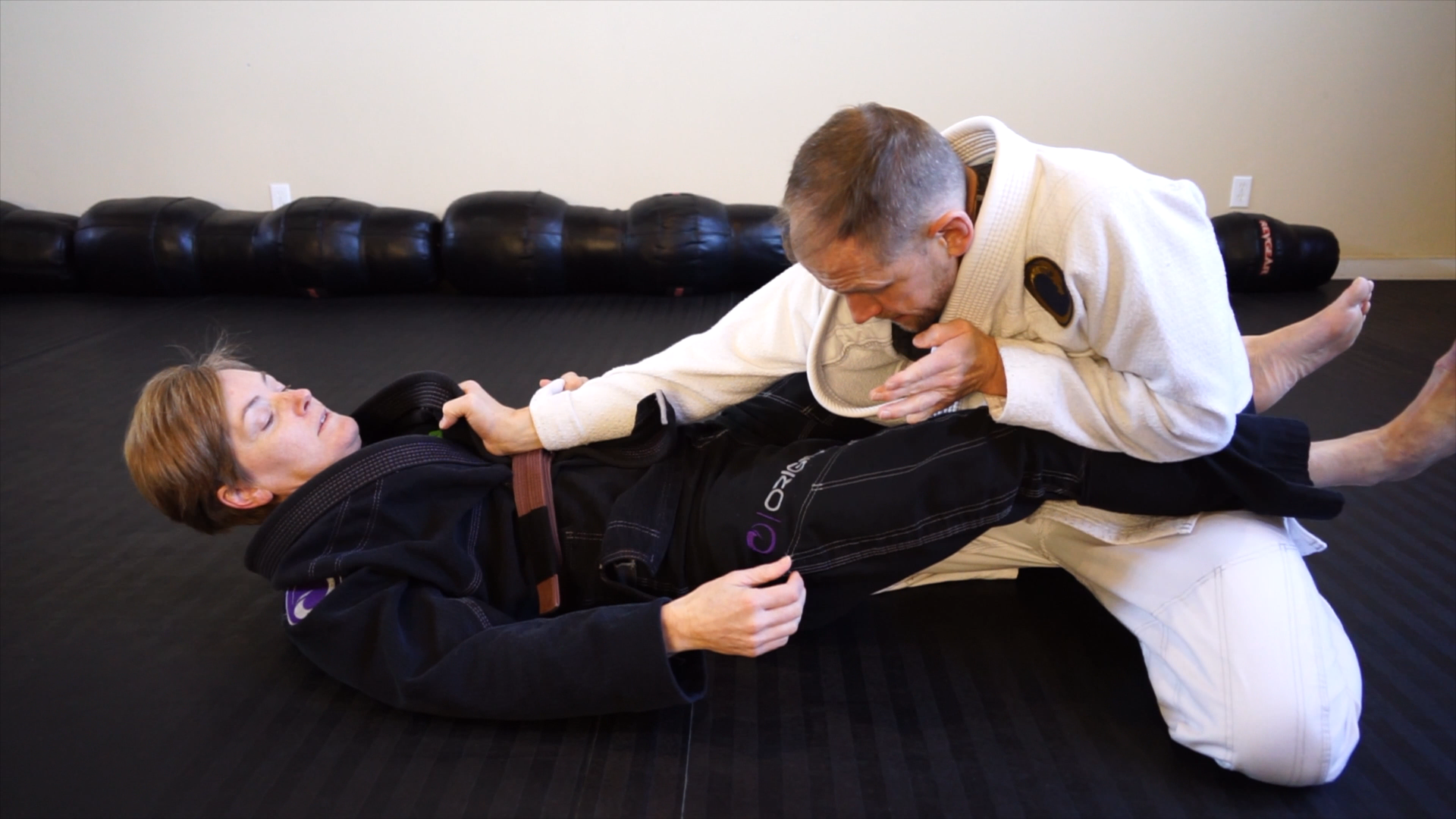
This video includes:
A 32-minute detailed video instruction on how to simplify the break and pass of the guard in 4 easy to follow steps.
Includes managing the guard. Grip-fighting. Gi vs No-Gi. Breaking methods for smaller vs. taller. A variety of standing and ground passes that will stay with you throughout your jiu-jitsu journey.
*course included with Legacy Boxer and Supreme Ultimate Boxer memberships

Guest Appearance: Are Forms/Kata a Waste of Time in Martial Arts? w/ Sensei Ando
I had the great pleasure of returning once more as a guest on Sensei Ando’s channel Happy Life Martial Arts. We had an amazing, and thought provoking discussion on martial arts forms training, solo training, and more. We even threw some virtual punches, and a shadow Heimlich maneuver was almost necessary. Check out the video for a great podcast.
Guest Appearance: - Episode #82
with Sensei Ando of Happy Life Martial Arts
I had the great pleasure of returning once more as a guest on my friend Sensei Ando’s channel Happy Life Martial Arts. We had an amazing, and thought provoking discussion on martial arts forms training, solo training, and more. We even threw some virtual punches, and a shadow boxing Heimlich maneuver was almost necessary. Check out the video for a great podcast.
I highly recommend following him on his YouTube channel, as well as his podcast. Even though he is famous enough now with over 249,000 subscribers, a few more can’t hurt!
You find more of Sensei Ando here:
Sensei Ando
Sensei Ando YouTube Channel

Our Brain on Solo Training
How our brain and body benefit from solo training in martial arts. But there are pitfalls too.
How our brain and body benefit from solo training in martial arts. But there are pitfalls too.

How to Train Martial Arts on Your Own
These times require us to innovate and adapt to the changes in our lives, routines, and day to day activities. For weeks many of us have been without a class to attend. The good news? We can still train martial arts without a class or partners, and continue to develop our skills and improve.
What does it take to make this happen? You can watch this video I made this week telling a story on why I had to learn to train myself in martial arts, or you can skip below and jump to the bullet points so you don’t have to wait any longer to train.
Either way, rest assured
These times require us to innovate and adapt to the changes in our lives, routines, and day to day activities. For weeks many of us have been without a class to attend. The good news? We can still train martial arts without a class or partners, and continue to develop our skills and improve.
What does it take to make this happen? You can watch this video I made this week telling a story on why I had to learn to train myself in martial arts, or you can skip below and jump to the bullet points so you don’t have to wait any longer to train.
Either way, rest assured whether you are the student, or your a parent of a child that trains a martial arts, I am here to help you navigate this process and I have plenty of experience with self-training to be able to give you advice. Keep training!
Randy
[special section for parents further down]
How to Train Martial Arts on Your Own
Routine
To be successful with training martial arts on your own, you MUST have a routine. This is the most important aspect of self-training, and even group class training. It is too easy to say “I’ll do it tomorrow.” Tomorrow turns into next week, and then next month. Set a schedule for your training times at times during the week you know you can adhere to.Agency
This block of time is yours, and it must have agency. It is not something that we allow to be swayed or taken away by trivial distractions [such as a binge watching session on Netflix]. We treat these blocks of time as sacred, and do not allow ourselves or others to sideswipe them. If we do, we will do it again and again and never train. So treat your own class, just like a scheduled group class at your gym, school, dojo.Place to Go
Try to find a place outside, in a garage, barn, basement, or a separate room in your house/apartment if you have one to spare, that can be used for your training. During these time blocks, this is your dojo/place of training. Other people are not in here unless they are training with you, and others know to leave you be during your session.Frequency
This is up to you, but it should be consistent from week to week. Try to start out with something similar to what you were doing at group classes. If you were training 2 hours per week, then try to set up two 1-hour blocks each week, or four 30-minute sessions instead. If you trained more than that, then add more slots in. If you trained more than one discipline, like my students who train mantis boxing and jiu-jitsu, then have separate blocks of time to focus on each. Again, consistency, agency, private space are all a priority, but this step is important to establish from the beginning as it helps reinforce ‘routine’.Plan of Attack
This is a critical stage and just as important as any of those above. We have to know what we are going to train. This is probably one of the largest failures we have going to a big box gym - “what do I do next” If I can find it, I’ll add a picture to this article later showing you some of my routines/schedules I built for myself years ago when I had no choice but to train alone. Have a log, notebook, where you set aside what you specifically are going to do for each session. Update it weekly.Family Unit
If you are at home with others during this time, have them join you and if they have no experience, you teach them. Teaching others is one of the best ways we get better. We learn what we know and do not know (do not worry, you do not have to have all the answers or know everything to show someone newer than you). This is such a powerful tool, you will be surprised how much it can help. If you are trying to train your kids - focus less on ‘teaching’ them, and more on doing. If they see you enjoying yourself and having fun, they will follow along. Forcing them is counter-productive. See below for more parent tips.Wear your Uniform
This may seem like an odd one at first glance, however, this has more significance than you may guess. The act of putting on our uniform, commits us mentally to the act of training. This is part of the discipline that you exhibit week after week showing up for class. Continuing this ritual on our own puts us in the same mindset and lets us not only commit to training, but keeps us on the rails as we stick to our planned training time. With that said, do not wear your uniform all the time. The act of putting it on, and taking it off when done, keeps that box cordoned off in our mind. We know when we wear it, that this is a sacred time that we need to respect for ourselves.
Parents
See everything above before reading this. Those items are still relevant and will help you in setting up a plan of action for your child.
Routine
I know I mentioned it above, but I can’t repeat this enough. No video games, movies, toys, etc can get in the way of ‘time to train’. These are hard and fast blocks and they should know they have to go to a certain place to train. Consistency is key, so if you are able to set the same time block aside for each day of training, this will be a big help to you in getting them to train. If it is arbitrary or day to day, it is difficult for any of us to become mentally engaged off the cuff.Videos
Use video training [preferably from their school/style] as ways to promote interest and learning. This can be part of the training block i.e., 15 minutes of watching lessons, and 30 minutes of training. As the parent, you may not know what they are working on in class, or where to focus, but asking for help from their teacher, can help you build a lesson plan for them. In some cases, the video may be useful throughout the entire session so it is good to have access to a screen so they can rewind or pause as needed (as long as it is not a game they switch too).
How Long Does My Child Train?
This is based entirely on age. The younger they are, the less time you should expect. A 10 to 12 year old might be good for an hour of training 3 or 4 times per week and have the discipline to stay engaged. A 5 year old however may only work in 15 to 20 minute blocks and need more frequency such as 6 to 8 blocks per week.
Ask for Help
If you need ideas, or direction, ask their instructor to help guide you, or provide a lesson plan for each week so it eases the process and all you have to worry about is the tips we mentioned in the beginning.Older Teaches Younger?
If you have siblings that all train together, this common purpose creates a strong bond where they can help one another get better. If you do not train yourself, it is important to sit back and allow them to teach one another. At times the eldest child will guide and teach, but the younger child may know something they do not, so it is important this is not authoritarian by the older sibling. Keep in mind the parent can become the inhibiting factor in these training session rather than a positive influence. Our job is to make sure they do not hurt one another, or get out of control, but otherwise we keep quiet and give them the autonomy to teach/train together. If they are mature and show positive results with this, then you can run test sessions where they are allowed to spar/roll with one another for short rounds of 3 minutes at a time.
Good luck!
I’ll add more tips as I think of them, but hopefully this is enough to get you started.

Are Head Hits in Boxing/MMA Good or Bad? The Truth...
Is getting hit in the head bad for us when we train in martial arts such as boxing, MMA, kickboxing, karate, muay thai, etc.??? Here is how I see it, and what I did to my students to make them train smarter. Being educated on the truth can keep us training safe for years to come.
Is getting hit in the head bad for us when we train in martial arts such as boxing, MMA, kickboxing, karate, muay thai, etc.??? Here is how I see it, and what I did to my students to make them train smarter. Being educated on the truth can keep us training safe for years to come.

Countering the Hip Toss
Ever been mistaken for a sack of potatoes? Do you dislike being dislodged from the earth you stand on, turned upside down and dropped on your head or back? Here’s a little tip to counter that nasty hip toss throw your opponent might try out of mistaken identity, or something more nefarious.
Ever been mistaken for a sack of potatoes? Do you dislike being dislodged from the earth you stand on, turned upside down and dropped on your head or back? Here’s a little tip to counter that nasty hip toss throw your opponent might try out of mistaken identity, or something more nefarious.
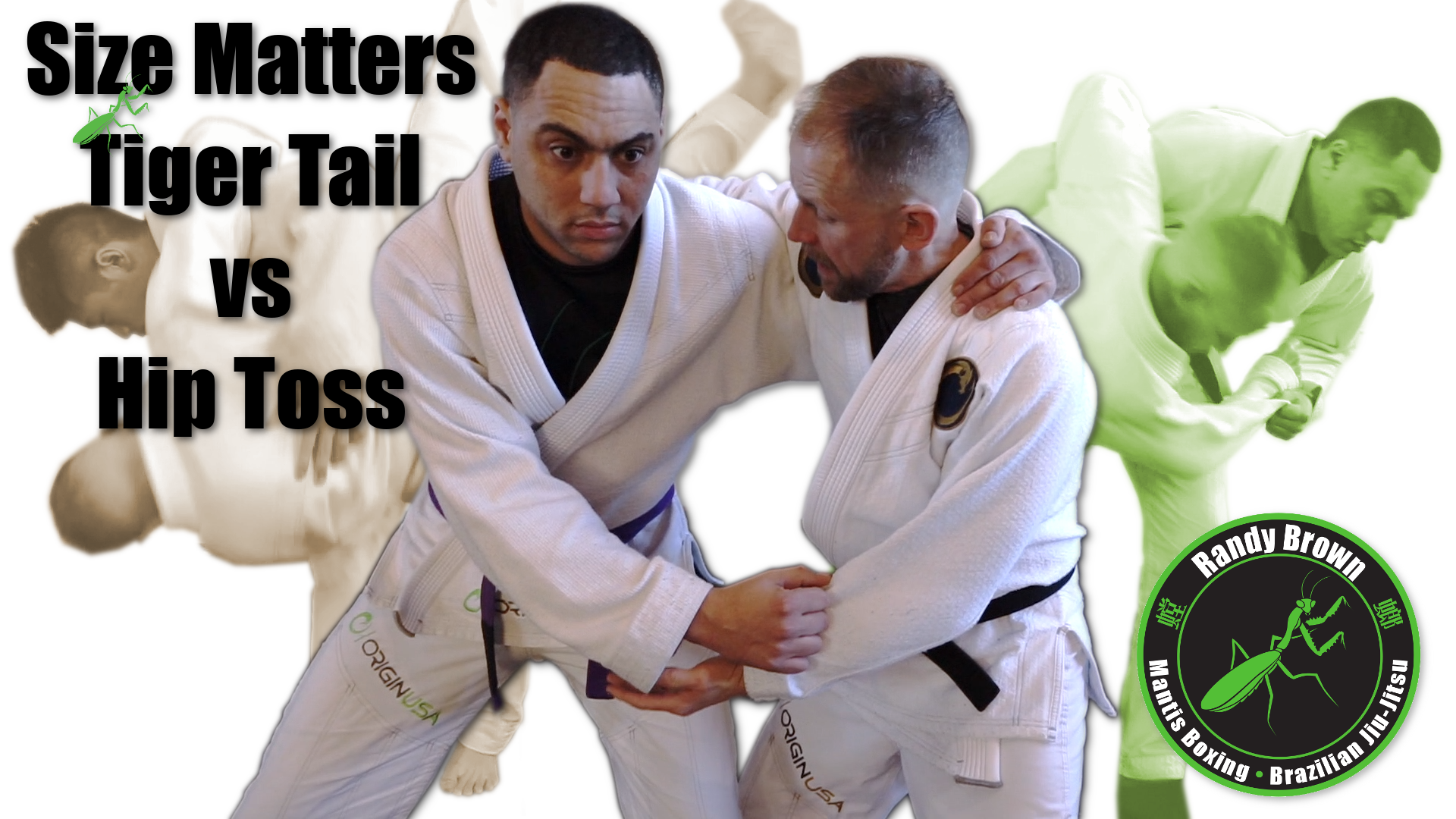
Size Matters - Tiger Tail vs Hip Toss Throw
The hip toss, and its variations such as 'overturn the sack', and 'old man carries fish', are awesome and devastating throws. However, there are complications for these throws when applied outside of competitions where weight classes keep opponents generally closer in size to one another. Depending on your size, the hand position, and the choice between using the tiger tail throw instead of hip toss can mean all the difference in success rather than failure.
The hip toss, and its variations such as 'overturn the sack', and 'old man carries fish', are awesome and devastating throws. However, there are complications for these throws when applied outside of competitions where weight classes keep opponents generally closer in size to one another. Depending on your size, the hand position, and the choice between using the tiger tail throw instead of hip toss can mean all the difference in success rather than failure.
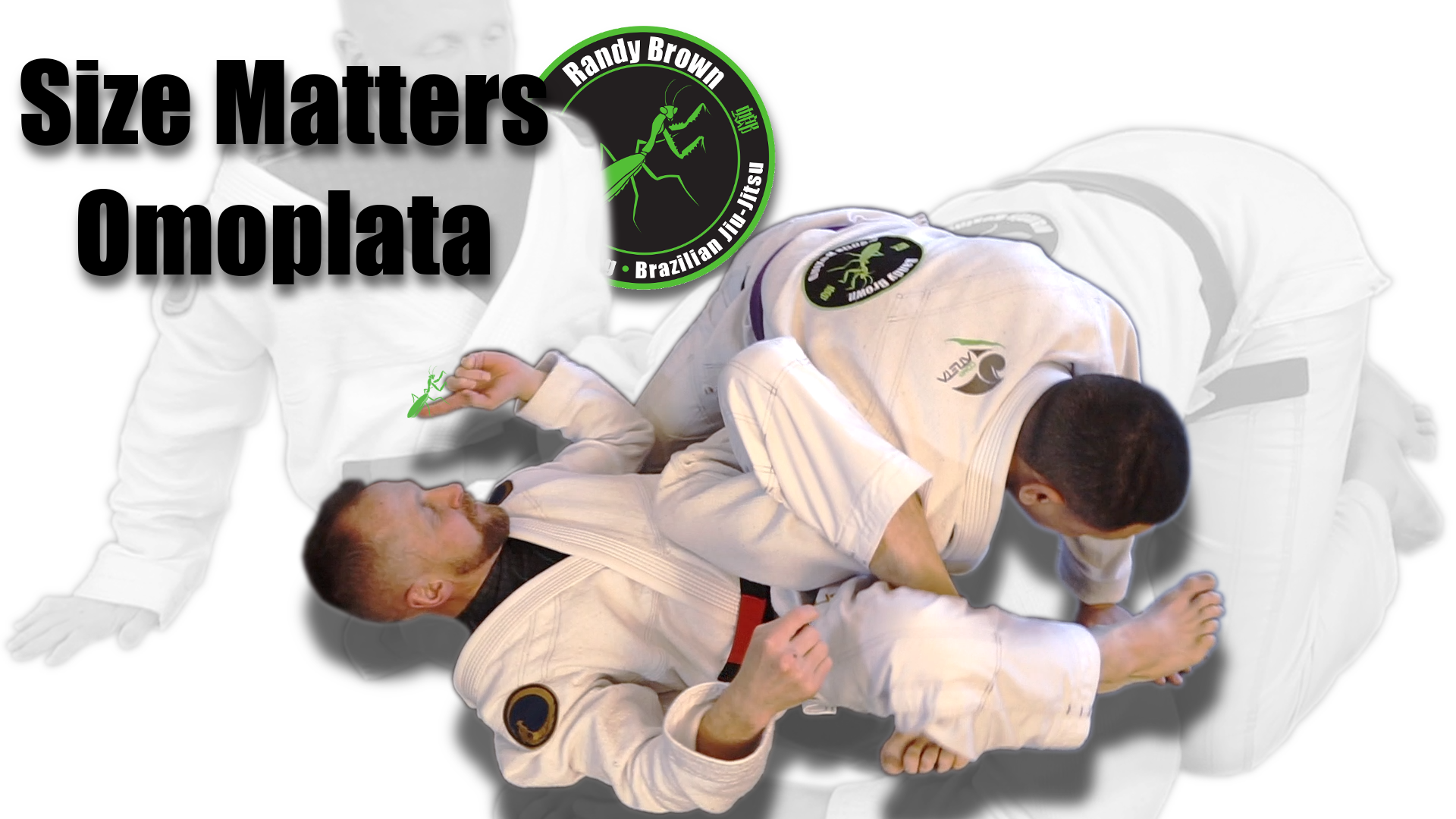
Size Matters in BJJ!!! - The Omaplata Submission
Here are a few tips if you are a smaller grappler trying to submit larger opponents with the omoplata submission from Brazilian jiu-jitsu. This can drastically alter our success rate for finishing, rather than struggling to combat height, strength, and counters.
Here are a few tips if you are a smaller grappler trying to submit larger opponents with the omoplata submission from Brazilian jiu-jitsu. This can drastically alter our success rate for finishing, rather than struggling to combat height, strength, and counters.
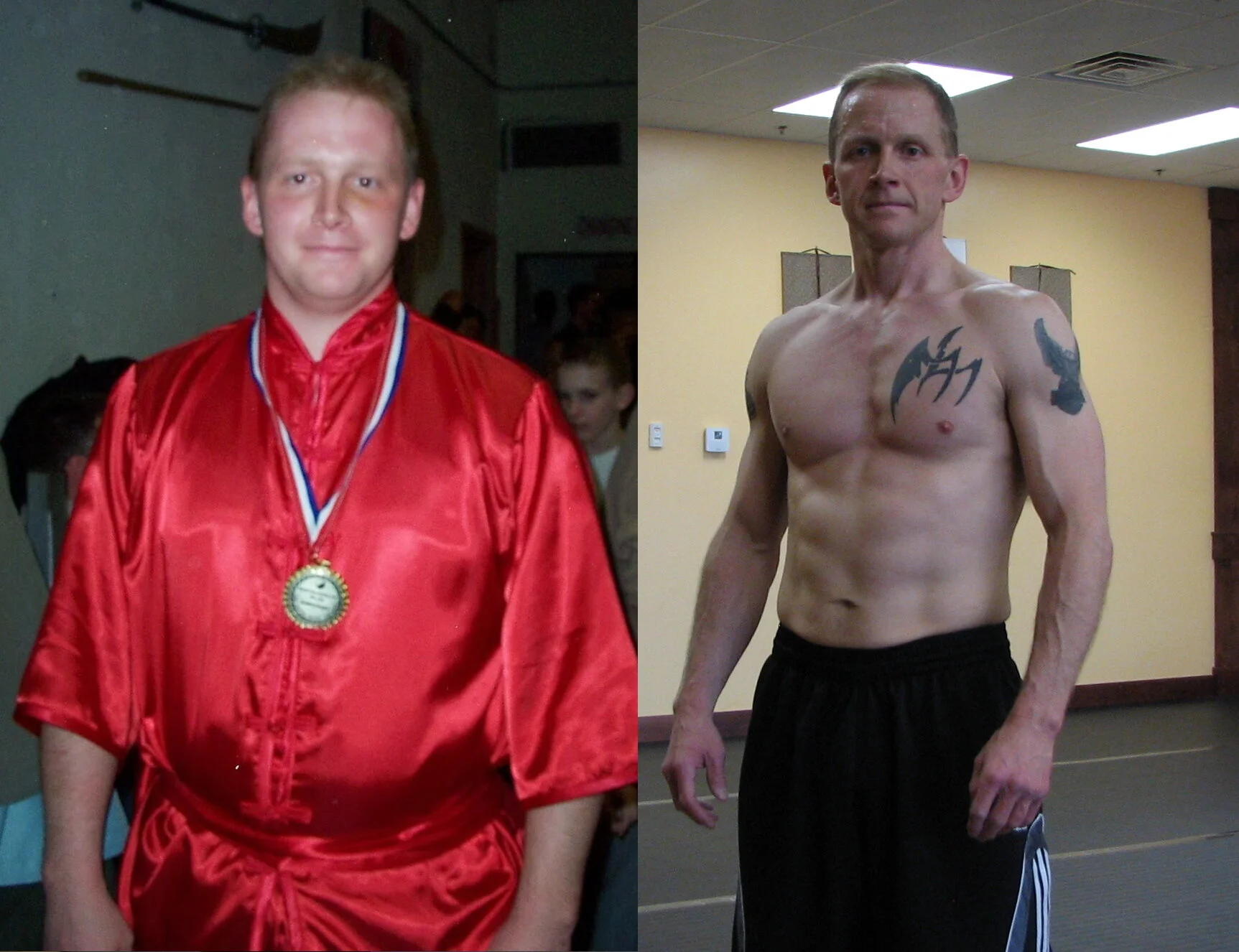
"You Don't Know Me!" - A Story of Fat A$$ Kung Fu Guy
Too often in life, we assume we know someone’s whole life by simply looking at them in the here and now instead of walking in their shoes. Looking at me now, you are probably unaware that I have struggled with my weight since I was 12 years old. Roller coaster rides on the scale. Battles with eating disorders. Chasing diets. Trying to exercise my way out of a bad diet. Here is a story of my struggle with weight. Other people out there have it far worse, but if my story can help someone, then I am happy to share it.
originally posted - November 2, 2013.
Too often in life we assume we know someone’s entire life by simply looking at them in the here and now. Looking at me now, you are probably unaware that I struggled with my weight since I was 12 years old. Roller coaster rides on the scale. Battles with eating disorders. Chasing fad diets. Trying, to no avail, to exercise my way out of bad diets. As a coach, I am often in a position to help others with their own weight struggles, yet going on appearances, and lacking stories such as this, it is hard for people to believe that I understand what they are going through. In the hopes of quelling those communication gaps, and to hopefully bridge the divide, here is a story of my own struggle with weight and self-image through the years. There are other people who have it far worse than I did, but if my story can help even one person then I am happy to share it.
Up and down my weight has fluctuated over the years, even while serving in the U.S. military. In bootcamp I was classified as overweight for coming in at a scale-busting 160 lbs. Thus began the unhealthy cycle of how I perceived my own self-image. I should re-iterate, the military only cemented these feelings in place, and helped foster them into a full blown train wreck. High School was where it really began. The constant struggle with weight, unhealthy eating habits, and trying to hide my body behind baggy clothes. Ever aware and concerned with how I looked and appeared to others. Once in the army, this grew into another animal entirely.
The Army standards called for maximum weight of 155 lbs for my height. Since I failed to meet the standard for this upon entering bootcamp, I was affectionately assigned to the ‘Fat Boy Program’ along with others that were dealing with far larger weight loss problems than myself. We were all in it together, big and small. Fat is fat in the eyes of the military, it matters not whether it is 5 lbs, or 100 lbs over.
The ‘Fat Boy Program’ means constant shaming from Drill Sergeants about our weight until we can come in under the limit. We were placed on a calorie controlled diet. No seconds at the chow hall, and we only eat from the regular offerings; no short order food (grilled cheese, hot dogs, burgers, fries). On the rare occassion dessert was allowed that was off-limits as well. It had the desired affect, along with some residual side effects.
I graduated bootcamp at 149 lbs. Slim and trim. I maintained this weight throughout flight school. Only due to the high stress environment that kept the calorie burning pumping full steam. My first trip home on leave after receiving my wings, was met with my grandmother discouraging look, and complaints that I was “too thin”, and “looking ill.” Next stop was Permanent Duty Station as it is called. He we were assigned to a regular active duty unit and stationed with there until deployed, or reassigned. There is a bit more freedom in this environment, and things changed. These changes brought more free time, with weekends off and the choice to eat in the mess hall, or buy food off base. Many of us, myself included, filled these vacancies with pizza, beer, and taco hell.

Along with these escapades, came the expanded waistlines and horrible physical fitness levels. My uniforms no longer fit, and purchasing replacements ate into my beer and cigarette stipend. I was failing weight tests, blaming BMI (Body Mass Index) charts, and lacking any sound nutrition knowledge on how to fix my growing weight problems. Through ignorance, I was in denial about my dietary choices and the only solution the military machine had for fixing weight issues - more exercise. If only I knew then what I know now…
This cycle continued for the next couple of years and was eventually exacerbated by civilian life once I left the military. My relationship with food, was warped and broken. Three or more meals per day, snacking, fast food, and the necessity for an overabundance of processed food due to the low income wages I made. Working 12 hour night shifts threw even more inconsistent and erratic eating patterns into the mix. Eventually this spiralled into a courtship with bulimia.
Co-workers would all want to order out from the local pizza shops, or fast food, and I would willingly join in the fray. While they were pleasantly digesting their meals like fat, happy cats for the remainder of our shift, I was finding some private location to inject my finger down my throat, and watch as my freshly eaten food erupted into the toilet, the woods, or even the rooftop of the factory. I found myself anywhere I could, to secretly unload the feelings of guilt and shame over what I just ate; only magnified by the awareness that I just wasted more of what little money I had, while living on a shoestring budget.
Guilt, shame, and cash, were the toll to pay on the highway of self-control while my food obsession continued to break the speed limit and drive recklessly down the freeway. Try as I might, this was my last ditch effort to regain a minor semblance of control over my body. It didn’t work.
I then tried any and all "diets" of the times - those failed to succeed at nothing more than reinforcing that I had no control over this. This cycle continued for 3 more years. Beating on my body full tilt. Alcohol, tobacco, food. All out of control. At the age of 25, a giant road sign in life smacked me right in the face. Another story for another time. Simply put, I had a moment of reckoning with myself, or rather, life had chosen a reckoning on me.
I became staunchly aware that at 17 years old, I was in bootcamp. At 18 to 20 years old I was flying multi-million dollar helicopters. Where the hell was I going now, five years later??? Hell in a hand basket woven of reeds pulled from the swamp of my own failed decisions.
After staring deep into my own soul, I pull hard on the cyclic, and cranked a 180 degree turn. Reversing course on my life of nowhere, and nothingness, and chose to refocus my priorities. I went on a 'low fat diet' (horrible choice that caused more problems down the road) and lost 32 lbs whilst quitting smoking, drinking, and taking up mountain biking. I added in exercises I learned in the military for strength and conditioning. The pounds shed off. Although this likely had more to do with ditching the alcohol, and the poor food choices that go along with it, than it did with the low-fat diet.
I receded from 180+ lbs down to 155 lbs, but that low-fat thing I mentioned before, had a negative side effect that I was unaware of until years later - low fat diets lead to depression. It turns out our brains require fat. I kept on it though, and exercise counterbalanced this. I would bike every day, and if I wanted an ice cream, I had to pedal 12 miles to the nearest ice cream stand to get it.
A year later, I returned to martial arts. Something I had my mind set on for 5 years, but never took the time to do it. Mantis boxing became my new focus. I trained 6-7 days per week, competing in any tournaments I could find and afford. I watched what I ate, and between the two, this kept the weight off for a couple more years. Yet I struggled with mood swings, and energy fluctuations that plagued my daily living. I sought out doctors suspecting blood sugar issues, but they would brush me aside and never pay heed to my words.
After a series of life altering events such as - losing part of my hand in an accident, living with a paranoid schizophrenic for one year, and watching my entire life burn to the ground in an electrical fire, taking everything I owned minus my life, and new work laptop I had just purchased the night before, the depression took over once again and I started to gain weight. Lots of weight.
I moved out of state, getting a new job and trying to change my life from manual labor to computer programming. Factories to cubicles. I was obviously running from the events prior, but in my mind believed that I was moving forward, and I had it all under control. After all, I was supposed to be ‘positive’. Nothing else was acceptable given my prior years of courtship with pessimism, nihilism, and self-destruction.

I was in total and complete denial. Meanwhile, the weight piled on and the mirror continued to tell lies. It also did me no favors that not one person around me, said something about how much weight I gained; save for one - my boxing coach. Friends and family falsely believe that they should stay quiet. Sometimes the nicest thing we can do for people we care for, is to tell them the truth.
The scale doesn't lie, the mirror does. Our brain warps reality so we can cope with these gluttonous obsessions. Denial was my closest friend, right after Wendy’s of course. Things continued to spiral out of control over a fairly brief period of time. I became addicted to food, especially bad food. The more I ate of it, the worse it became. Not only from a weight gain perspective, but my hypoglycaemia would bounce like a racquet-ball shot from a cannon.
I was spending 3 to 4 hours per day in the car between commuting to work, travelling out of state for school 2 to 5 days/week while trying to finish my Bachelor’s degree, and insisting on continuing to train with my first mantis boxing coach a three times per week. Because I wanted to keep my loyalty to someone who had helped change my life, and it was easier, and more comfortable than seeking out a new school near my residence. I lived two plus hours away from his gym, commuting to Concord, N.H. from Beverly, MA three times per week.
Cooking my own food? There was no time in the day, or night for such frivolous endeavours. And the pounds packed on. I maxed out at 204 lbs before I changed things. I signed up at a new martial arts school in Boston that was close to my work. I could now train in classes more frequently.
I started attending lunch Kung Fu classes during the day and going back for three more back to back classes at night. I shed 30 lbs over the rest of that year. Then I started to plateau again. Martial arts training alone was not doing enough. Of course, stopping at Krispy Kreme on the way home from class didn’t help either. Again…we can’t exercise our way out of a bad diet. But I didn’t know that back then. Eventually I left the cubicle world, and decided I wanted to teach martial arts for a living.
Getting out of the 8 to 16 hours per day in a cubicle, and the lunch/snack runs with co-workers was one of the best things for my weight. I cleaned up the junk food, over-consumption, and brought my weight back down to the high 160's as I went into competing at the Wushu Nationals in 2004. I was still a bit chubby for my height though.
I spent the next few years continuing to struggle with my weight. It would fluctuate between 165 and 175 lbs; never able to shed the remaining weight no matter how much exercise. This devastated my morale. I was well into running my own school, and training 5 or 6 hours per day. I did not understand why I didn't look like a martial arts teacher. At least what I believe one should look like.
My superiority complex was getting a kick in the balls. I certainly did not want to become what I despised years before. Travelling from competition to competition, silently sneering at, and criticizing the food being served to competitors - donuts, pizza, hot dogs, and candy bars. Scoffing at the judges as they sat there in their chairs, shamelessly displaying their bare skinned balloon bellies protruding from their gi’s. No longer able to close the jackets because their guts were too big. [We hate most in others, what we despise so deeply within ourselves…]

This was not what martial arts represented to me. I looked at martial arts as not only the constant struggle to perfect our fighting skills, but the manifestation of self-control; discipline over mind, body, and spirit. I was now representing the losing side in that battle. Diametrically opposed to what I believed in and aspired to be.
Since my early training in mantis boxing, I had suspected that something was wrong. As I mentioned, I sought out the help of doctors even when my weight was in acceptable parameters. I asked if I was hypoglycaemic. A big word for me back then, that my coach had to explain. The doctors always said ‘no’. Never delving deeper into the problems I was having. No proper testing for this condition to find out if it was lurking underneath.
I believed them, or at least listened to them tell me ‘no’. But this ignorance did not change the symptoms - massive mood swings when hungry (HULK SMASH!!!), foggy brain, inability to focus; a dependence on caffeine to regulate energy between meals. Each day was a roller coaster ride from morning to night. A typical day looked like this:
Breakfast -> crash -> caffeine -> crash -> lunch -> crash -> caffeine -> crash -> dinner -> crash -> sleep. Wake up starving the next day, ready to tear someone apart if I don’t get food - ‘NOW!!!’
In 2010 I reached my limit. I sought out a nutritionist, not a dietician (there is a stark difference) and scheduled an appointment. With the objective of determining:
If I was in fact hypoglycaemic. And,
How to shed the last 5-7 lbs I wanted to lose
At this point, I was down to 162 lbs through cutting my caloric intake so drastically low, that I was constantly stressed out, moody, and angry, and depleted of energy. I was hungry all the time, but could not reconcile with gaining weight because I was over eating. My relationship with food was still vastly negative and unhealthy.
As the weeks led up to the appointment, I came very close to cancelling my due to finances and scepticism. After all, years of doctors, diets, and dieticians had done nothing to help. Something deep down was so tired of living like this, that I stuck with it and went to my scheduled meeting. with Eric Reardon of Crossroads to Health. Eric, listened to my symptoms, and confirmed through blood tests that my suspicions for years, were quite true. He warned me that continuing on with this pattern, was an all but certain path to diabetes.
I worked with Eric as he gave me custom recipes, a meal plan, and even a shopping list of what to buy in the grocery store. These were extremely convenient, and made the changes easier to accomplish. No guesswork. He released me on my way and we were to follow up in a couple weeks to measure progress.
I followed his instructions to the letter. Everything I was supposed to do, I did. I was hell bent on breaking these chains that had pulled me into the abyss for decades. As I sought to stabilize my blood sugar (the first priority we were attending to) an interesting thing happened; the weight I could never lose before, shed off of me in 2 weeks.

By the end of 30 days, I was down to 152 lbs. In addition, my moods regulated, my stress levels dropped; anxiety dropped, no more seasonal depression common to northern climates; and I was enjoy the food I was eating (consuming 4x more than I had been eating prior). I never went back to eating the way I did before. [Thanks, Eric]
I feel better, look better, and perform way beyond what I could ever do in the past. At the time of this writing, at 41 years old, I dwarf the me that graduated boot camp in the autumn of 1990. It is ironic and comical to find myself in this position now. In 1992, I had a Sergeant Major (highest enlisted rank in the battalion) when I was stationed at Ft. Bragg, N.C. He was in his late 50's at the time. Sergeant Major Rhea.
Sgt. Major looked wicked old in comparison to our spry 19 and 20 year old selves. Looks deceived however. He would spank us hard on the 2-mile, 5-mile, and 10-mile runs. In his light, I would feel like a worthless scumbag. A third his age, and not even close to keeping up with him. He was a machine! He would run laps around our formation as we were sucking wind and dogging it up a hill during PT. On the straights, he would then take off and run a quarter mile ahead, then back to pull us along. Because of him, I could never make an excuse for my sad, sack of self. Never. I always had to own it. My condition, or lack thereof, was my own fault. No one else’s.
These days every activity I do whether it be mantis boxing, Brazilian jiu-jitsu, tai chi, kickboxing, hiking, biking, hang-gliding, running, swimming, or competing, are all drastically altered by what I eat. I can feel the difference, most of all in my brain. I now know it can be done. Nutrition is the key. Not more exercise.
Now you know. You know that I lived it. That I understand what it is like to not have answers. To feel helpless in controlling our own bodies. To feel like a stranger in our own skin. Willing to take extreme measures to try and correct how we look and feel. Wisdom, the knowledge earned through hardship and experience, has taught me that the extreme measures, should be positive ones. Like spending money to get the help of a professional, or dedicating ourselves to a proper lifestyle change.
So…if I seem crass, unforgiving, or unaccepting of excuses to someone struggling with weight, it is not for lack of empathy, or walking the same lonely path, or not understanding what they are going through. I just see things from the other side and I don't buy excuses that we tell ourselves on why we can’t lose weight, or get in shape. I lived it. I am not superior to anyone else, I just have more failures. I was not born with a six-pack, even though I’m from New Hampshire. Ask my mother. I was a pudgy, insecure, 12 year old boy once upon a time.
I am, human. And humans, err. I have faced the trials and tribulations of modern day obesity problems like many of you who may be reading this. Battling against a multi-billion dollar marketing machine telling us to eat garbage. The fix?
Get educated about food.
Get off our ass and do it.
Our body is a machine. We need to treat it like one. We cannot run our cars without gas, oil, brake fluid. Likewise, we cannot run our bodies on Wendy’s and Krispy Kreme. We need fuel -protein, fat, carbs, fruits, grains, and vegetables. The lettuce on the fast food chicken sandwich doesn’t count.
My school is my life. It is the representation of what I do and what I believe in. I designed it to offer everyone a holistic approach to their life and training so they might gain the same benefits that I did, and continue to.
One of my greatest joys is watching someone commit themselves to a change, and experience the growth and benefits to their lifestyle and health as reward for their efforts. This is truly why I do what I do. That, and watching a weak, insecure individual, become capable of kicking someone else’s ass.
We can all achieve our goals and have the body we want - as long as it's OUR body. Meaning, our DNA determines our frame size, and how much muscle we can carry. We cannot, with any sense of reason, look upon some skinny twig in a magazine, or on social media, and set our mind to looking like that if it is not in our genetic make-up to do so. If we are a roaring oak, we can prune ourselves and strengthen our branches, but we cannot suddenly make ourselves into bamboo. Shape our own block of clay, not someone else’s.
The right knowledge is a powerful tool! Good luck.
Fitness Note:
9 months after reigning in my diet, my colleague Jeff Hughes of Austin Fitness Martial Arts in Austin, TX shared with me a fitness program that took him to another level. John Hackleman’s Cross-Pit program. Cross-Fit for fighters/boxers/martial artists. Old school martial arts conditioning with modern training techniques and methods. This helped shape my clay and I am forever grateful.

How to Escape the Clinch - Continued
Here is another follow-up to the videos we shot in LA with Sensei Ando last year (May 2019) as we catch up with the backlog of footage. In this one, Thomas and I will cover the Reverse Hook and how to use it to gain control of the clinch, along with options for follow-up such as: crushing knee, wicked knee, and hanging hook.
Here is another follow-up to the videos we shot in LA with Sensei Ando last year (May 2019) as we catch up with the backlog of footage. In this one, Thomas and I will cover the Reverse Hook and how to use it to gain control of the clinch, along with options for follow-up such as: crushing knee, wicked knee, and hanging hook.
You can find the videos with Sensei Ando here:

"Don't Touch Me" - Why I Hated BJJ
As I’m sure some of you can understand, the idea of having to work closely with someone else, especially on the ground, used to 'skeeve me out'. There is a stark differential between what I was accustomed to - striking, kicking, and takedowns, in contrast to rolling around on the ground with another human being while wearing pajamas, or skin tight clothing. In the world of hindsight is 20/20…
Original article written in 2012 for another blog.

Getting arm-barred in Chin Na training - circa 2000
Let me get this out of the way from the start - I emphatically hate people touching me. I have issues with physical contact, space invaders, faux-hugging, and ‘touchy-feely’ nonsense. After many failed attempts at coping, I simply avoid large crowds, parties, grandmas, and priests. Chalk it up to a plethora of personal experiences early in life, or just laugh at me as you will. Getting my finger lobbed off in a table saw was a more a preferable experience than some weird inebriated schmuck trying to grope me at a party while pretending we’re long lost friends (a good use for martial arts training).
Now that I’ve made it abundantly clear how much I dislike physical contact, perhaps we can relate to one another, since I imagine if you are still reading this you have similar issues with physical contact. This may well be a primary deterrent to you experimenting with Brazilian jiu-jitsu in the first place, or you just really hate Brazilian jiu-jitsu and clicked on this article in the hopes of reading a series of bad things I have to say about it. Spoiler alert: you can bail now and save yourself some time.
False Fears
The idea of having to work closely with someone else, especially on the ground, used to 'skeeve me out'. There is a stark differential between the modalities I was accustomed to - striking, kicking, and takedowns, when contrasted to rolling around on the ground with another sweaty human being while wearing pajamas, or skin tight clothing.
However, in hindsight, I probably would have loved high school wrestling given what I know now, but many foes would have fallen trying to force my fat, chubby, adolescent self into one of those onesie-singlets!
During my time training mantis boxing, and other Chinese boxing styles, I became distinctly aware of a giant deficiency they all shared - the lack of a ground game. What to do when an opponent has you on the ground and you are unable to escape; a feeling I was quite familiar with from childhood fights.
I discussed this reality with one of my coaches at the time, being practical and grounded in real-world experience he agreed with the problem, and suggested that I take up BJJ. His advice was to achieve at least a blue belt level, arguing that the blue belt in BJJ being a significant achievement in and of itself. Showing an individual has gone through the grist mill, and survived to a base level of proficiency of self-defense on the ground.
In his assessment, I would have the experience and know-how to deal with an altercation on the ground; if a fight ever ended up there. Which, anecdotally speaking, they usually do when you’re smaller than your opponents. I was reluctant at first (see aforementioned comments on personal space) but eventually I capitulated and decided to try it out. To say my first attempts did not go well is a mild understatement [insert sarcasm]. Unfortunately, my first couple of experiences went horribly awry. I unknowingly chose the wrong coaches/schools to train with, which produced catastrophic results. You can read more about that here.
Before we address the physicality of BJJ, and the close contact dilemma, or even some of the other soft deterrents to training an art like this, let’s dig into some of the benefits I have found that help drive my reasoning on why this is a good thing to overcome.
Ignorance is Bliss - How BJJ can help Martial Artists/Fighters of other styles
Jump below if you are not currently a martial artist but want to learn more about overcoming the physical contact challenges of BJJ

Holly Cyr smashing it with a winning keylock at Boston Summer Open 2013
‘Traditional’ martial arts styles, as they are colloquially referred to, are mostly comprised of arts originating from east Asia. For our purposes we’ll include — western boxing, kickboxing, tae kwon do, karate, aikido, muay thai, shuai jiao, and more. These styles cover one or more of the following modalities in stand-up fighting - striking, kicking, throwing, and at times joint locks.
How do any of these styles, and wrestling as well, account for a larger, stronger, opponent that wants nothing more than to put us on the ground and pummel us? Each and every one of these styles subsist around weight class rule structures in competition. A sound and well rounded martial artist in my opinion, wants solutions for these challenges. Problems such as: being stuck underneath someone that has 100lbs of body weight on us, someone pinning us and choking us to death with their bare hands, or simply pummeling us with fists while sitting on our torso (mount position).
Not only do we want to survive, but as fighters we want to thrive in these situations. To embrace the suck. I have to be frank here - I have seen a variety of nonsensical comments from traditional martial artists over the years when it comes to this very real threat. A belief in their minds, or rather a fallacy, that the threat of someone controlling us on the ground is not real. That arts such as BJJ are useless. These statements include comments such as -
"I will use my eye gouges, groin strikes, and secret pressure point attacks." - anonymous
No, you likely won't, or not for long. You will be too busy trying to figure out which way is up; panicking to get back to your feet, trying to breath as you gas yourself out (the ground is stressful), and performing silent math calculations on how much your opponent really weighs while they crush the soul out of your body with unrelenting pressure.
Another comment I see -
"I won't let them get me on the ground." - anonymous
If the sole purpose of their combat modality is designed to get you on the ground, then you will be on the ground. No doubt about it. Especially if they have been training for years to accomplish said goals. I’ve seen people with a season or two of high school wrestling make short work of people with no grappling game, or defense system against such attacks.
“But I train takedown defense.”
We live in the northeast USA, where snow and ice are prevalent for a large portion of the year. Ending up on the ground is a common mishap for us ‘without’ someone violently assisting us in the process. Bottom line - as a traditional martial artist, or someone with no experience in fighting, we benefit by recognizing the holes in our systems and learning to close these weaknesses. We gain nothing but ignorance, darkness, and oxygen deprivation by hiding our head in the sand.
“Adapt and Overcome”
“Adapt and overcome.” — a common phrase we heard consistently in US ARMY boot camp. As experienced martial artists, adding Brazilian jiu-jitsu, or even wrestling to our game will only improve, not detract, from our primary art. Depending on the style we practice, we may come from arts afflicted by ‘transmission loss’.
Meaning some, or all of the techniques have been lost through the annals of time. We’re left today with empty shells of once proud martial art styles, practicing forms/taolu/kata, and applying best guesses as to the original method(s) of execution. Putting these arts back together can be difficult to downright impossible. I’ve spent the better part of my martial arts journey doing just that with mantis boxing, and taijiquan. I will say, finding crossover principles and techniques in other arts such as BJJ helped link things together in my brain, and improved my primary style of choice.
Brazilian jiu-jitsu has definitively helped me discover more about Chinese boxing and wrestling styles. From takedowns, to defense, to even just kinesthetically putting pieces together to flow and change gears. It has taken my knowledge, my game to a whole new level. This is especially relevant to an art such as mantis boxing, one of many Chinese boxing styles that is rooted in stand-up grappling, and riddled with principles that crossover to BJJ.
Perhaps you are fortunate and train with a school/coach team that has all the applications of your style already intact. Handed down to you in clear drills, and efficient training that turns you into a competent fighter. However, if that art still lacks a ground solution, as my art did, then this is the perfect reason to undertake BJJ, wrestling, or catch wrestling to shore up those weaknesses. You can read more about how BJJ helped me unlock hidden secrets inside Chinese boxing in this essay:
Donut, or Do Not? The fitness benefits of BJJ.
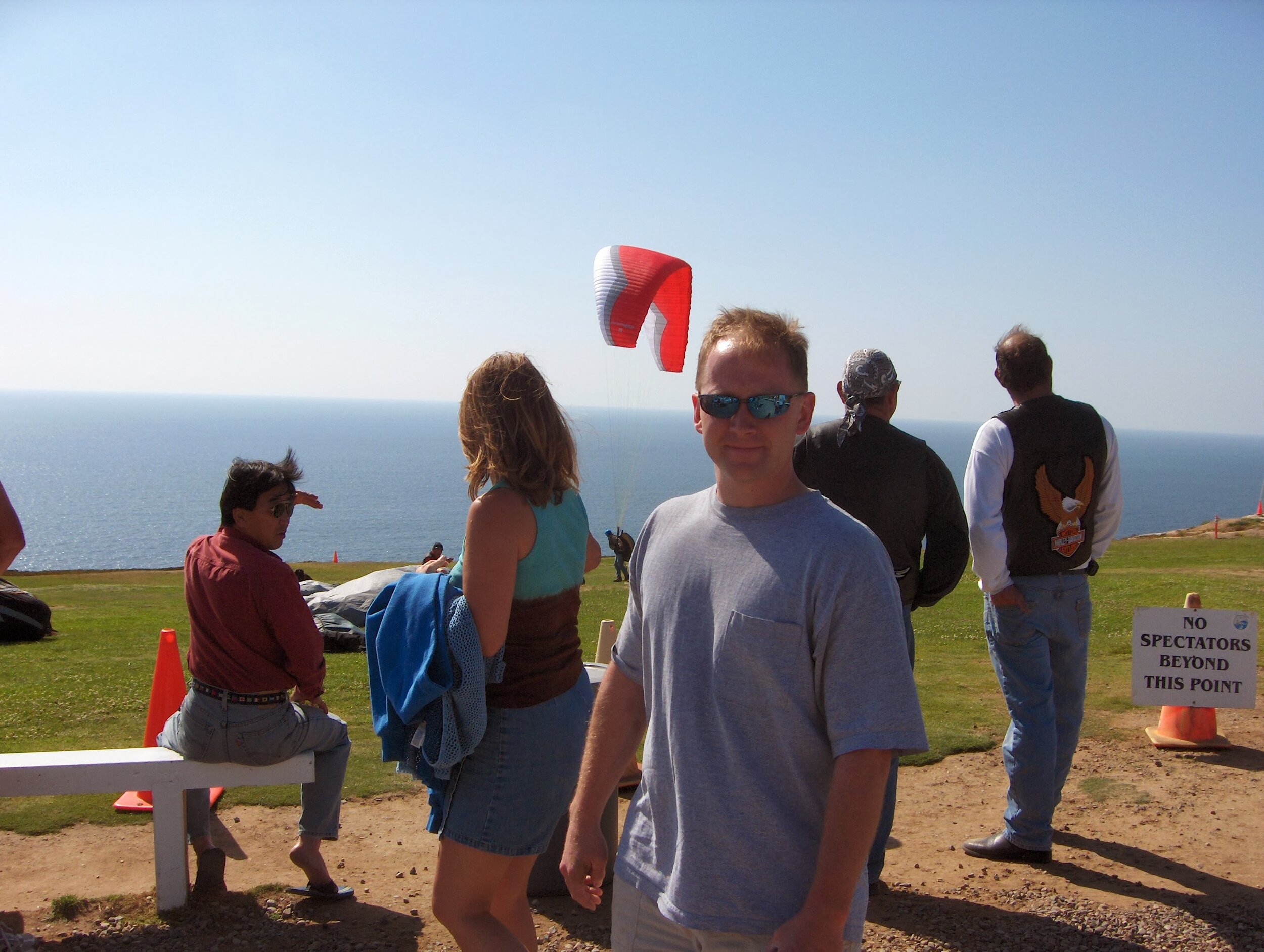
Donut eating me on a trip to train with a new mantis boxing coach - California, 2006
Traditional martial arts teachers across America are known for being out of shape. I have seen it at countless tournaments since the early days of competing. Often embarrassing physical forms of self-titled ‘masters’ of their art, who have clearly not mastered their bodies. Ironic given that we are supposed to be ‘lethal weapons’.
Self-Defense Anecdote: we start classes with proper warm-ups. This can start with — laps around the gym, three minutes of jumping jacks, or jump rope. At times people complain, or whine. My question is always the same: ‘If we can’t manage three minutes of cardio, how are we to last in a full on fight versus one or more opponents, while our heart is racing faster than a greyhound, and our adrenaline is screaming like an eagle through our blood stream?’
A few years after I began training, I myself was overweight. Also while owning and running my school. I had a series of crises in my life that caused my self-discipline to spiral out of control. I ballooned out, and I knew deep down that I was setting a bad example to my students on how I personally believe — a martial artist should live our lives.
Another saying from the military - “fit to fight”. The truth of this simple phrase is so base and fundamental. I’ve fought, sparred, won, and lost to some very good fighters over the years who were better than me, but were grossly out of shape. After 30 to 90 seconds of maneuvering, or light tangling, they were huffing and puffing; buckled over and gassed out beyond function. The amazing skills and techniques they had, rendered useless by a lack of stamina, or basic conditioning. If we’re out of shape, we’re ineffective, or less effective.
How can we stand with our heads high, selling, or marketing fitness, exercise, discipline, along with our self-defense, when we are stuffing donuts down our throat, or puffing cigarettes out behind our dojo? If we are out of shape ourselves, then we are nothing more than an exemplary display of hypocricy. “Do as I say, not as I do.”
How can BJJ change this?
Brazilian jiu-jitsu is an incredible workout. It engages the full body in motion. Exercising almost every muscle in our physical anatomy, including our brain. It takes serious conditioning to roll with another person for an entire class or for a 5 to 10 minute bout at a competition. To get up and down constantly, and often under load.
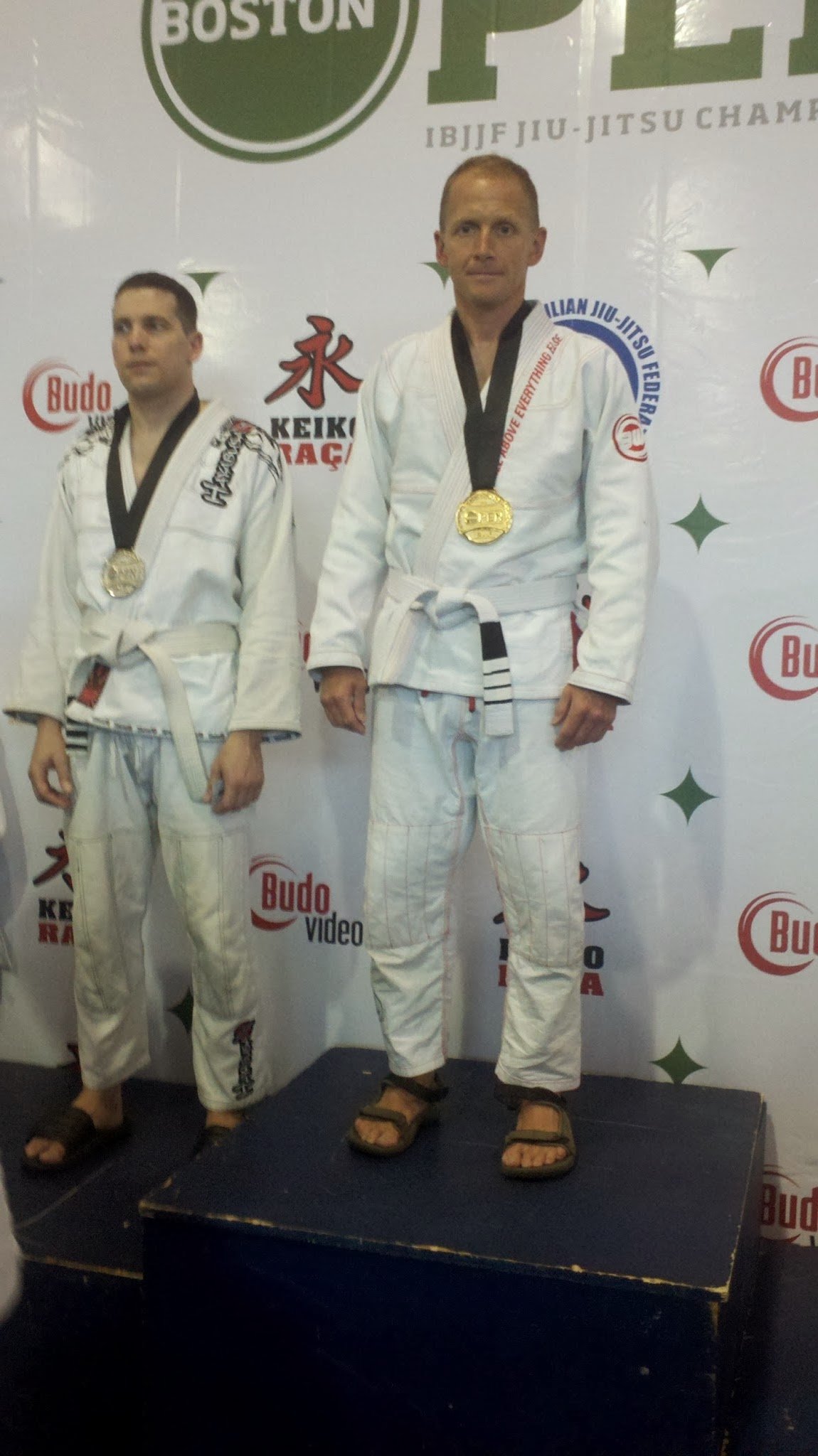
In my first BJJ tournament match, I stepped into the arena with many boxing/kickboxing amateur bouts under my belt, I was no stranger to the exhaustion and fatigue that takes place shortly after an altercation ensues. Additionally, much of our training, and sparring in the gym is inoculation to the stress of what we are going to face for real. With over twelve years of training/fighting, and being in the best shape of my life at the time, I had absolutely no idea what I was going to encounter in my first BJJ match.
Grappling was a completely different animal. The intensity is magnified ten-fold from any san da, boxing or kickboxing match I had ever competed in. The proximity stress, the gripping, tugging, and pushing, all while we’re still on our feet at the beginning of a match, rapidly drains our reserves. By the time we land on the ground, we’re seconds away from being face to face with the ‘adrenaline dump’ (all energy fades from our body).
When the ‘dump’ hits, there is nothing left in the tank; we’re completely gassed. We’re left only with our willingness to give up; or survive. This…is why an IBJJF (International Brazilian Jiu-Jitsu Federation) tournament has more 6 packs than you'll find at a redneck BBQ. It is an incredible test of mettle — physical, mental, spiritual.
During this first fight was the one and only time I looked at the clock in a competition. There was only a minute-thirty on the clock out of a five minute round. I had done hundreds of these rounds (and longer) in the gym, and yet…this felt like Father Time himself was crushing me into dust. I was completely demoralized as I lay under my opponent with a full strength closed guard, a firefighter, who I found out post-match had cut weight from 175lbs (79kg) to 150lbs (68kg) to compete that day.
A voice in my head was screaming for this to be over. That it didn’t matter who tapped, but this needed to end, and end fast. Then the other voice chimed in, calmly, with no emotion, calling the first voice a ‘wussy’. Followed by — “Get it done.” I fought on with everything I had, pushing through the fatigue, the time-demoralization, the doubt.
Fitness Conclusion
What better way to exercise than to have fun? To learn while getting into, or staying in shape? Enjoyment and mental engagement are a necessary function to stay committed to any type of physical activity we choose, BJJ can help us shred fat, build cardio, strength, and keep or return, that weaponized body that some of us once aspired to through joining martial arts in the first place. Of course the nutrition aspect has to go alongside any fitness endeavor, but the mat time we put in incentivizes us to eat better so we don’t gas out in competition or simply training.
The ‘BEST’ Pie is ‘Humble’ Pie.
Soft power wins the gold. Community makes the art.
The saying is - "the mats don't lie." When we walk out on the mats in BJJ, we can't say that we are something we are not. At least we can’t get away with it for long, if we do. When we roll with another grappler the truth becomes abundantly clear who is the higher hand. Hence the above saying.
Having been a part of the ‘traditional martial arts world’ through the rise of the internet, from BBS's, to forums, to facebook, etc., I have seen more petty arguments and nonsensical statements thrown back and forth. Things like -
"My style is the greatest.", "I'm better than you.", "I know more forms than you." “I’ve trained longer than you.”, "My lineage is pure, look who you studied with.", “I trained in {insert country of origin].”, "My teacher is better than your teacher.”, “My grandmother was better than your teacher."

It’s ‘ok’ to get a little mud on our face. Just smile and move on. Chris Meusel — Spartan Race 2012.
This behavior, while downright embarrassing and pathetic, is In direct opposition to the virtues we often seek in martial arts — strength, discipline, confidence, empowerment.
In contrast, I have met some of the nicest people in BJJ. While there are jerks (I met a few in the first couple attempts at starting out), they usually get weeded out early, unless the gym is toxic. The majority of people by and large, are — polite, grounded, and pretty darn cool. All seeking to better ourselves through adversity.
Why the difference? Simple really. In BJJ we have to put our money where our mouth is. We can make claims to ourselves or others about our prowess, our amazing skills, but the truth comes out on the mats.
Each roll, a mirror reflects back on us our own strengths, and weaknesses; whether we’re ready to receive them or not. This is a humbling experience and not for the faint of heart. It requires complete honesty with the most important person listening to us - ourselves.
"In my experience, the more dangerous two people are, the more respectful they are to one another." - Andre ‘Dedeco’ Almeida, BJJ Black Belt.
BJJ, along with any other contact based martial arts, keeps us humble. Aware that we are all just human, flawed at times, amazing at others, even when coaching and helping others. We know in our hearts, and minds — there are always bigger and better fish in the ocean. We all have progress to make in bettering ourselves inside and out. Even if we are the king, or queen, of our own little sandbox, getting tapped out gives us firsthand knowledge and experience in one of the most important martial arts principles to aspire to - humility.
Embrace the Suck
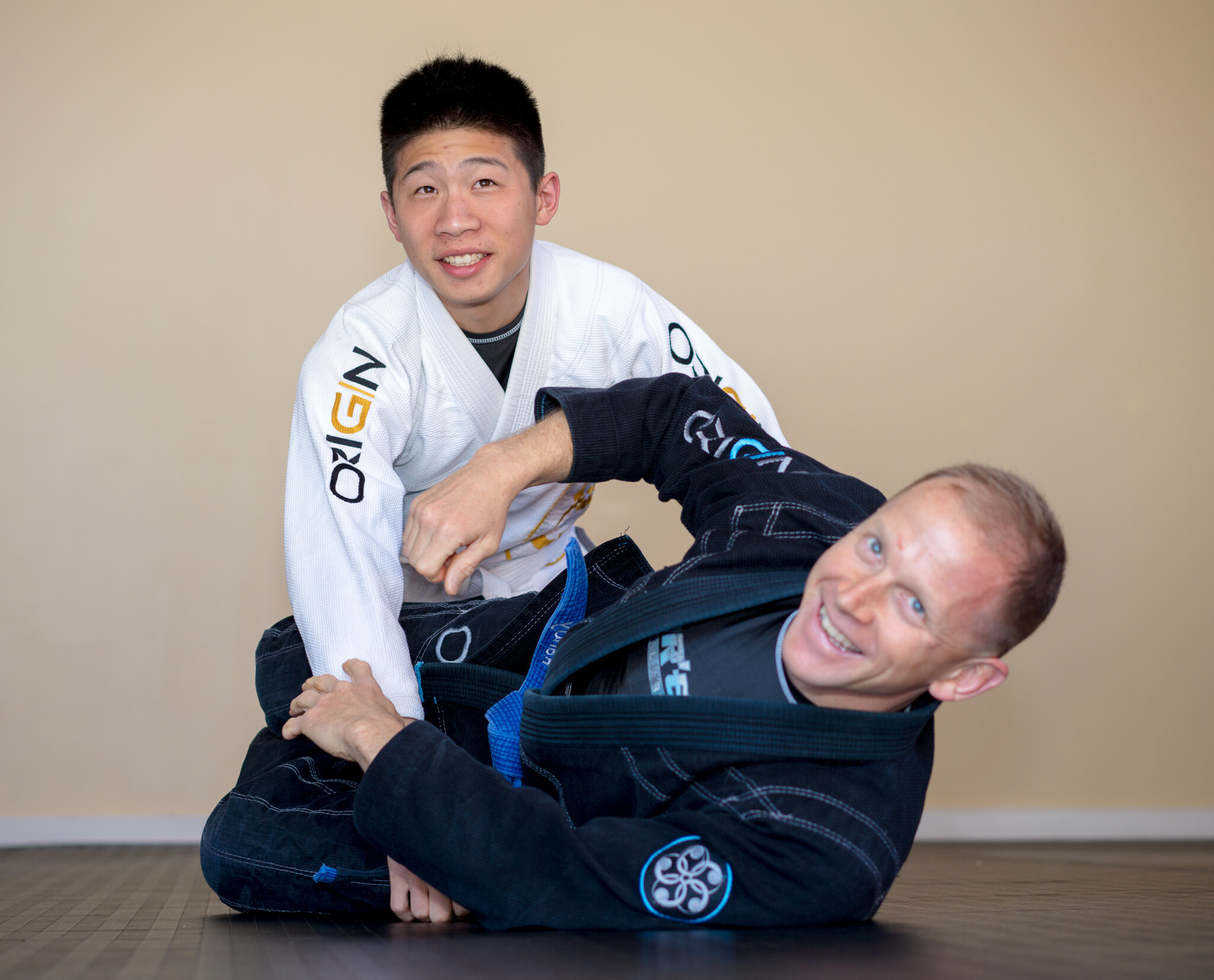
Rolling with Vincent Tseng - 2012. Photo by Max Kotchouro.
All of the above makes the close physical contact worth it. It gives us reason(s) ‘why’ we should we look past our issues with touch, contact, space. But what I can tell you firsthand, having worked through these issues myself, is quite honestly, the contact/space is not that big of a deal after a week or so of training.
Our brain quickly adapts and shuts off the reluctance to these things after we ‘embrace the suck’. Providing our partners are clean and hygenic that is.
We discover that rolling and grappling with someone, the ‘process’ of working with another to better ourselves supersedes the proximity challenge. It is quite different when someone is trying to choke, not grope us.
I highly recommend putting aside your reservations. I believe you will discover, as I did, that praciticing BJJ is just downright fun. One of the greatest challenges you can find, mentally engaging, core-building, and packed with years of intrigue. There are not many sports that encompass all of the elements that BJJ grapples with.
A plethora of the techniques you will learn (sweeps, submissions, escapes, takedowns) are awe-inspiring and a thrill to learn. Empowering. Easily mistaken for magic when we first see them performed by a seasoned grappler, and rewarding beyond measure when we succeed at executing them ourselves; after much trial and tribulation.
STILL RELUCTANT? HERE ARE A FEW TIPS
If you are still struggling with the idea,
Meet different coaches. If you find one you like, do one-on-one training with them. In this environment it should be acceptable to bring up your reservations and have a coach meet you where you are at.
Learn from a friend or family member who trains. Preferrably if they have a couple years of experience. Ask them to show you some moves but avoid grappling until you have a bit of experience. This avoids the competitiveness that can happen between friends.
Join with one or more friends. You can join a team class together, or do a squad style training (semi-private). This gives you the benefit of private lessons while sharing the higher cost of this approach.
If you have overcome this challenge, feel free to leave tips and your experience in the comment section for others to benefit from.
COACHES: RE-KINDLE THE FLAME
As a student, and a coach, I know firsthand that we have to keep the training and the process ‘fun’ in order to stay energized. If you are already a martial arts teacher of another discipline, training BJJ gives us a newfound sense of excitement. The same joy we had when we were a novice student in our original martial art style; when everything was new and enchanting. Reigniting a dwindling flame in our art.
Teaching others is rewarding and fun, but if we are not continuing to learn and grow we can become stagnant, bored, disenchanted, and even bitter. These are a few reasons I highly recommend trying out BJJ for martial artists from other modalities. Try adding it to your game and see for yourself. Box up the ego, don the ‘white belt’ and take the plunge into a fascinating world of new friends, sweet techniques, and all the humble pie you can eat.

Size Matters in BJJ!!! - Part 3 - Breaking Closed Guard
Here's one of my favorite closed guard breaks, and why it is horrible for taller vs. smaller. If you do use this BJJ escape, here is the answer to 'why isn't my closed guard break working?' Enjoy this next installments in our Size Matters series. This is a must see if you are trying to break a smaller grapplers closed guard.
Here's one of my favorite closed guard breaks, and why it is horrible for taller vs. smaller. If you do use this BJJ escape, here is the answer to 'why isn't my closed guard break working?' Enjoy this next installments in our Size Matters series. This is a must see if you are trying to break a smaller grapplers closed guard.

The Art of Counter-Striking
There are two types of fighters - offensive fighters, and counter-fighters. A list of descriptors for offensive fighters is comprised of - aggressive, confrontational, type-A personality, control freaks, etc. On the inverse, the counter-fighter may be described as - laid back, docile, relaxed, non-confrontational. I contest that, no matter what your style of fighting is, I will make the case that the counter-striking skills are crucial to both camps of fighters. For now, if you are an offensive fighter, skip ahead to the section below on Offensive Fighters. If you are a Counter-Fighter, then carry on to the next paragraph.

photo by Max Kotchouro
There are two types of fighters - offensive fighters, and counter-fighters. A list of descriptors that may indicate we are an offensive style fighter are comprised of, but not limited to - competitive, aggressive, confrontational, type-A personality, control freak. We know who we are! On the inverse, if we’re a counter-fighter, we may be described as - laid back, docile, relaxed, non-confrontational. I contest that, no matter what our style of fighting is, counter-striking skills are crucial to both camps of fighters. For now, if you are an offensive fighter, skip ahead to the section below on offensive fighters. If you are a counter-fighter, then continue on to the next paragraph.
Counter-Fighters
If we are a counter-fighter, then the following techniques are going to be our bread and butter. We are the ‘shield-bearers’, the ‘defenders’. After we attain a base proficiency in blocking then we will need to immediately gravitate towards applying counter-strikes. We cannot defend, or retreat forever. In order to prevent our aggressor from becoming emboldened and running us down, we need to hit them back from time to time to send a message.
What defines “a base proficiency in blocking?” This manifests from learning to trust our blocks; an absolutely crucial facet to counter-striking strategy. Slipping and ducking can apply here as well. When we’re new to the striking arts we learn to block, slip, duck, dodge, but in the interim we usually have one, and only one gear we know how to use in regards to our footwork - reverse. This is OK at first, as it hedges our bets on blocking and keeps us at a safer distance. Meaning we can block, but we’re essentially neutralizing our opponents attack with our footwork at the same time.
If we examine this move for move, our opponent advances with a strike and our footwork, ‘could’, if properly timed and spaced, eliminate the need to block. While this is a fair tactic, we cannot backup forever and our opponent can move forward further and faster than we can move backwards.
The solution comes down to taming our fear, or attaining some semblance of emotional control. We do this by either learning to take a punch (an ill advised solution), or by gaining proficiency in blocking, slipping, ducking, or a combination thereof. The latter cogent so that our defensive deflection is dependable and worthy of trust. Once we have achieved this skill, then we can venture forth into the counter techniques shown further below. First, we need to address those offensive fighters, whose skills are also necessary to us when faced off against another counter-fighter. Otherwise…there is just an uncomfortable stare down.
Offensive Fighters
If we’re an offensive fighter then our strategy/tactics/game are comprised of - going in, stealing the initiative; or obtaining the first-strike. Unsettling our opponent so they cannot gain first-strike capability on us. We prefer to dictate the pace and energy of the fight. For us, bridging tactics, rather than counter-striking are the key to our survival; the primary swords in our arsenal. In a battlefield scenario, we are the ‘cavalry’, or the ‘archers’. We launch the preliminary attack, engaging the enemy, gaining initiative, and disrupting their defense.
Let’s examine this more closely in a play by play:
We launch our first-strike attack on our opponent.
As we enter the fray they blast us in the leg with a powerful round kick to the soft tissue of the quadricep muscle (think charly horse). Or equally destructive, the femoral nerve on the inside of the thigh.
This counter-attack stops us in our tracks and we miss our attack opportunity, opting to retreat and recover our position instead of pressing forth.
The second attempt…ends with the same result. If our opponent is good, then they nailed us in the same target as the first time.
We may muster the courage to try once more with the same assault. For the sake of this scenario, we meet the same fate for the third time. Our leg is now feeling like rubber and we decide at this point to stop pressing the attack and try to nurse our wounds.
What’s next? Scroll back up to the section on counter-fighting because we just got schooled on why, as offensive fighters, we need to have a counter-striking game in our arsenal. Our opponent just turned us into a counter-fighter.
Counter-Strike Setups
In order to develop counter-striking as an intrinsic part of our game, there are some simple counters we can start with. From there we can increase the complexity. Let’s start with counters found in some of the old mantis boxing forms such as ‘upper block/punch’, and ‘upper block/chop’, and more:
Starter Counters
Upper Block to Straight Punch, or Thrust Palm
Upper Block to Chopping Fist (Hammer Fist)
White Snake Spits Tongue - Circle In Block to Spear Hand, or Eye Plunder
Circle In Block to Thrust Palm
Circle Out Block to Ear Claw
These are simple retaliatory strikes that flow naturally off of the blocks they accompany. The key to success with these counters is more about timing, proper range (may need to close the gap as part of the counter), and seeing them real time. The last being the most difficult, and only manifests from experience drilling with feeders, and light sparring.
Adding Complexity
The following are simple counters but rely heavily on an advanced awareness of our enemies position, proper guard, good blocks, and the aforementioned timing and awareness. The overall feeder (strike thrown from the opponent) that we’re looking for is easy, but reconnoitering the enemy footwork prior to execution is critical.
In regards to executing these techniques, it is imperative that the defensive guard facets of our game are in place before applying the following counters. See further below for common fail points with these two techniques. Hint: usually attributed to a failed guard component.
These next two counters are also prevalent in mantis boxing forms that have been handed down over the generations. They are, in my opinion, some of the better counters but they are mutually exclusive; related to one another only in a general category of counter-strikes, as they require unique entries by our opponent.
Monkey Steals Peach - Opposite Arm Attack
The setup we’re looking for to initiate monkey steals peach is as follows:
My left foot is forward and my opponent is matching/mirroring my stance with their left foot forward.
The strike initiates from their left (lead/opposite) hand as they shuffle in. As you’ll see in the video, use a parry (not a block) combined with a cross circle step to their outside line.
Counter with a groin slap.
Alternatively, my opponent is instead starting from a southpaw stance. In this case I would need them to step in vs shuffle in with their opposite hand (left hand strike in our example above). The end result is the same, I get the opposing arm and foot leading the charge.
Crazy Ghost Fist - Same Side Arm
The setup for crazy ghost fist is as follows:
My left foot is forward. My opponent’s right foot is forward placing us in a southpaw position.
The strike initiates from their right hand as they shuffle in. I use a parry rather than a block, guiding the hand off to the side, being sure not to aggressively push it away. This will cause my body to twist up and reduce my counter-punch power.
Coordinate the parry with a slip offline toward the outside of their lead (right) foot.
Shuffle forward and counter with cannon fist to the liver.
As with monkey steals peach, an alternate setup is for the opponent to start with left foot forward, but they step in, rather than shuffle in. We end up with the same right arm/right foot combo we need for the counter-strike opportunity to manifest.

Scenarios
When and where to apply monkey steals peach (MSP) vs crazy ghost fist (CGF).
A. CGF - opponent shuffles forward with lead hand strike from southpaw stance.
B. MSP - opponent steps in with a rear hand strike from southpaw stance.
C. CGF - opponent steps in with rear hand strike from matched stance.
D. MSP - opponent shuffles in with lead hand strike from matched stance.
Common Fail Points
Guard
In order to apply counters successfully, especially monkey steals peach and crazy ghost fist, our guard must be intact and operating to maximum efficiency. With even one component of our guard out of place things unravel very quickly when trying to block, never mind trying to apply a counter-strike. It is possible to trade shot for shot while staying in the pocket, but this is ill advised especially against a larger, stronger, or more skilled opponent. Proper guard positioning will not only shut down many of our openings, but also lead to a successful block|counter response.
Guard Components:
Hands up - fingertips no higher than eyebrows. Preferably lower.
Elbows tucked - covers the liver and stomach targets
Staggered arms - 1 arm in, 1 arm out. This is assisted by a bladed body position and staggered stance.
Shoulder Line - our hands are lined up on the opponents shoulders creating an open channel down the centerCrossing Zones
This is usually a bi-product of our guard failing. Having to cross zones in order to block because our hands were down, or not lined up with the opponents shoulders. Crossing zones ties up our arms and forces us into awkward positions that spin wildly out of control. We’re forced at this point to bail out if we can, and try to reset our position to neutral.
Out of Neutral Position
Allowing the opponent to gain our centerline before they close range can lead to a crisis we have to contend with rather than looking for counter-strikes. While it is still possible to counter from a bad angle, our position is so poor that our strike will lack power and we’ll quickly pay for any minor success by stumbling, falling, tripping, or succumbing to the rain of blows that is sure to follow from our opponents superior positioning. It is imperative we pay close attention to keeping neutral positioning until the engagement takes place.

Guest Appearance: Real Fake Swords and Fake Real Swords - Episode 61: Randy Brown the Senior Clinching Mantis
“Sifu Randy Brown is the instructor of Vincent Tseng, with 20 years of experience in the style of Praying Mantis as well as 7 years of Brazilian Jujitsu, he was able to make the 2 arts complement each other. In this episode we explore his background as well as the past and present state of Chinese martial arts and modern combat sports.”
In August of 2019, I was graciously invited as a guest on episode 61 of The Real Fake Sword’s Podcast hosted by Haozhu Wang. This was a thought provoking and at times controversial discussion on training methods, Chinese martial arts, traditional vs modern martial arts, and even martial combat training vs LARP’ing. I thoroughly enjoyed our conversation and I think you will too. You can also listen to other great interviews Peter has had on his podcast with a myriad of guests.
Podcast Description:
Sifu Randy Brown is the instructor of Vincent Tseng (https://realfakesword.podbean.com/e/real-fake-swords-and-fake-real-swords-episode-43-vincen-tseng-the-clinching-mantis/) with 20 years of experience in the style of Praying Mantis as well as 7 years of Brazilian Jujitsu, he was able to make the 2 arts complement each other. In this episode we explore his background as well as the past and present state of Chinese martial arts and modern combat sports.
Credit of Jingle goes to Tengger Cavalry, contemporary Chinese Mongolian folk metal

"What Style of Mantis Boxing Do You Do?" - Answering your questions...
I get this question from all of you on my YouTube channel quite frequently - "What style of Mantis Boxing do I practice/teach?" Seven Star, Tai Ji (Supreme Ultimate), Plum Blossom, Supreme Ultimate Plum Blossom, 6 Harmony, 8 Step, Wah Lum? I decided to take some time to answer you instead of leaving a quick comment when you ask. Hope this helps.